
Every morning begins with a ritual: brewing coffee, cradling warmth, and taking that first satisfying sip. But how often do you consider the vessel in your hands? The right coffee cup does more than hold liquid—it enhances flavor, maintains temperature, supports your lifestyle, and reflects your personal taste. With countless options on the market, selecting the ideal cup can feel overwhelming. This guide cuts through the noise, offering clear, actionable insights to help you make an informed decision tailored to your home routine.
Understand Your Daily Coffee Habits
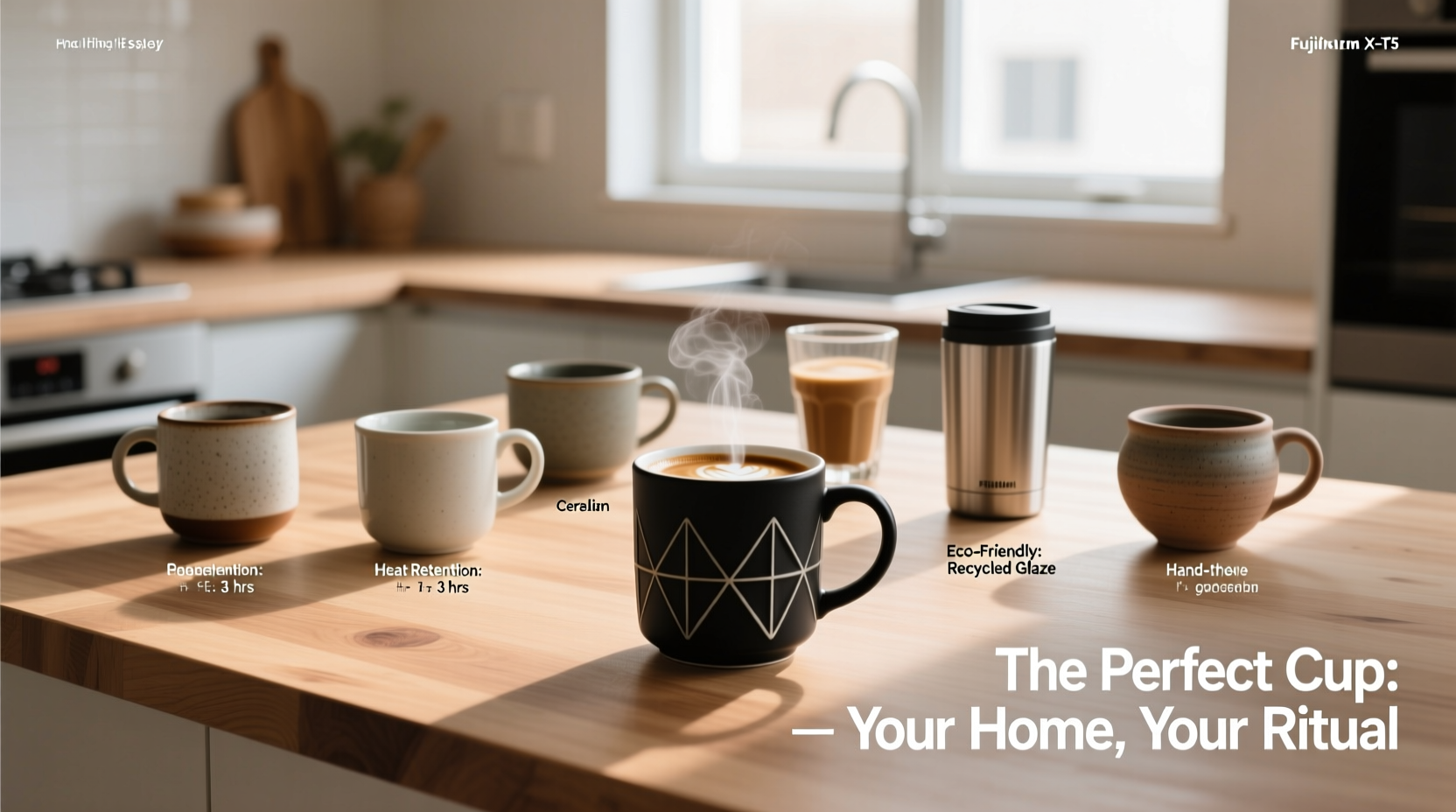
Your ideal coffee cup depends heavily on how you consume coffee each day. Are you someone who sips slowly over an hour while reading the news? Or do you grab a quick shot before heading out the door? These patterns influence everything from capacity to insulation needs.
- Sippers benefit from insulated mugs or double-walled glassware that keeps coffee warm without burning lips.
- On-the-go drinkers may prefer travel mugs with secure lids and spill-proof mechanisms.
- Home baristas who enjoy espresso or pour-over might prioritize ceramic cups with thin walls for optimal aroma release.
Matching your cup to your routine ensures comfort, functionality, and long-term satisfaction.
Compare Materials: Pros, Cons, and Best Uses
The material of your coffee cup affects heat retention, durability, mouthfeel, and even taste. Each option has trade-offs worth considering.
| Material | Heat Retention | Durability | Taste Impact | Best For |
|---|---|---|---|---|
| Ceramic | Moderate | Fragile | Neutral | Home use, aesthetic appeal |
| Stoneware | High | Durable | Earthy warmth | Slow sipping, rustic kitchens |
| Porcelain | Low-Moderate | Delicate | Clean, smooth | Espresso, formal settings |
| Double-Walled Glass | Good | Brittle | Neutral | Display, modern decor |
| Stainless Steel (insulated) | Excellent | Very durable | Metallic if unlined | Outdoor use, travel |
| Melamine | Poor | Chip-resistant | None | Kids, patios, casual settings |
Ceramic remains the most popular choice for home use due to its balance of aesthetics and function. However, stoneware’s superior heat retention makes it ideal for those who hate lukewarm coffee. Insulated stainless steel is unbeatable for longevity and thermal performance but may dull subtle flavor notes in specialty brews.
“Ceramics are still the gold standard for home coffee service. They don’t alter flavor and provide a tactile experience that enhances enjoyment.” — Dr. Lena Torres, Food Material Scientist at BrewLab Institute
Size Matters: Matching Capacity to Your Brew Style
A common mistake is buying cups based on appearance rather than actual capacity. Oversized mugs lead to diluted flavor as coffee cools; undersized ones require constant refills.
Here’s a breakdown by typical coffee preparation method:
- Espresso (1–2 oz): Use small porcelain or ceramic demitasse cups (3–4 oz max).
- Pour-over or drip (6–8 oz): Opt for 8–10 oz ceramic or stoneware mugs.
- French press or large brew (10–12 oz): Choose 12–14 oz insulated or thick-walled cups.
- Latte or cappuccino (12+ oz): Wide-bowled ceramic mugs (14–16 oz) accommodate milk foam.
Always check manufacturer specifications—many “standard” mugs hold only 6 oz despite looking larger. A properly sized cup preserves temperature and flavor integrity throughout your drinking session.
Step-by-Step Guide to Selecting Your Cup
Follow this logical process to find your perfect match:
- Evaluate your coffee routine: Note when, where, and how much you drink daily.
- Determine preferred material: Prioritize heat retention, durability, or aesthetics based on your environment.
- Select appropriate size: Match cup volume to your average serving.
- Test ergonomics: If possible, handle sample cups—check weight, grip comfort, and lip shape.
- Consider maintenance: Will it go in the dishwasher? Is staining likely?
- Assess design compatibility: Does it fit your kitchen style and shelf space?
Real Example: Sarah’s Morning Upgrade
Sarah, a freelance writer in Portland, used a large insulated travel tumbler at her kitchen table every morning. She loved the heat retention but disliked the metallic aftertaste and bulky feel. After tracking her habits, she realized she wasn’t traveling with her coffee—she was sipping slowly over 45 minutes at her desk.
She switched to a handmade stoneware mug with a tapered handle and 10-oz capacity. The thicker walls kept her coffee warm just as long, but the earthy texture and open rim enhanced aroma and comfort. Within a week, she looked forward to her morning ritual more than ever.
Her experience illustrates a key principle: functionality should align with real behavior, not assumed convenience.
Checklist: Before You Buy a Coffee Cup
Use this checklist to ensure you’re making a smart, lasting choice:
- ✅ Matches your typical coffee serving size
- ✅ Made from a material suited to your usage (home, travel, outdoor)
- ✅ Comfortable to hold and drink from (consider handle shape and weight)
- ✅ Dishwasher and microwave safe (if needed)
- ✅ Resists staining (especially important for light-colored ceramics)
- ✅ Fits comfortably in your cupboard or display shelf
- ✅ Complements your kitchen aesthetic or personal style
- ✅ Comes from a reputable brand or artisan with quality control
Frequently Asked Questions
Can I use any ceramic cup for hot beverages?
Most ceramic cups are designed for hot drinks, but lower-quality pieces may crack under thermal shock. To test, pour boiling water into the cup—if it warms evenly without popping sounds, it’s likely safe. Avoid sudden temperature changes (e.g., moving from fridge to boiling liquid).
Why do some coffee cups have a rounded interior?
A rounded or conical interior helps direct aromas upward, enhancing the sensory experience. It also promotes better mixing of coffee and milk, which is especially beneficial for lattes and cappuccinos.
Are handmade mugs worth the extra cost?
Handmade mugs often offer superior craftsmanship, unique design, and better ergonomics. While more expensive, they tend to be made with higher-grade clay and glazes, increasing longevity. For many, the emotional connection to a hand-thrown piece elevates daily use into a mindful moment.
Final Thoughts: Make Every Sip Count
Choosing the perfect coffee cup isn’t about luxury or trends—it’s about intentionality. The right cup supports your routine, respects your brew, and turns a mundane act into a meaningful pause. Whether you value minimalist design, rugged durability, or artisan charm, there’s a cup that fits both your hand and your life.
Take time to assess your habits, explore materials, and prioritize comfort over aesthetics alone. When you find that ideal match, you won’t just drink coffee—you’ll savor it.




 浙公网安备
33010002000092号
浙公网安备
33010002000092号 浙B2-20120091-4
Comments
No comments yet. Why don't you start the discussion?