
Selecting the right coffee cup isn’t just about aesthetics or brand loyalty—it’s a crucial factor in preserving flavor, temperature, and overall drinking experience. From a concentrated espresso shot to a creamy iced latte, each coffee beverage has unique characteristics that demand a specific vessel. Using the wrong size can dilute flavors, accelerate cooling, or disrupt the balance of milk and espresso. Understanding the ideal cup size for each drink ensures you enjoy your coffee exactly as it was meant to be.
The Science Behind Cup Size and Coffee Experience
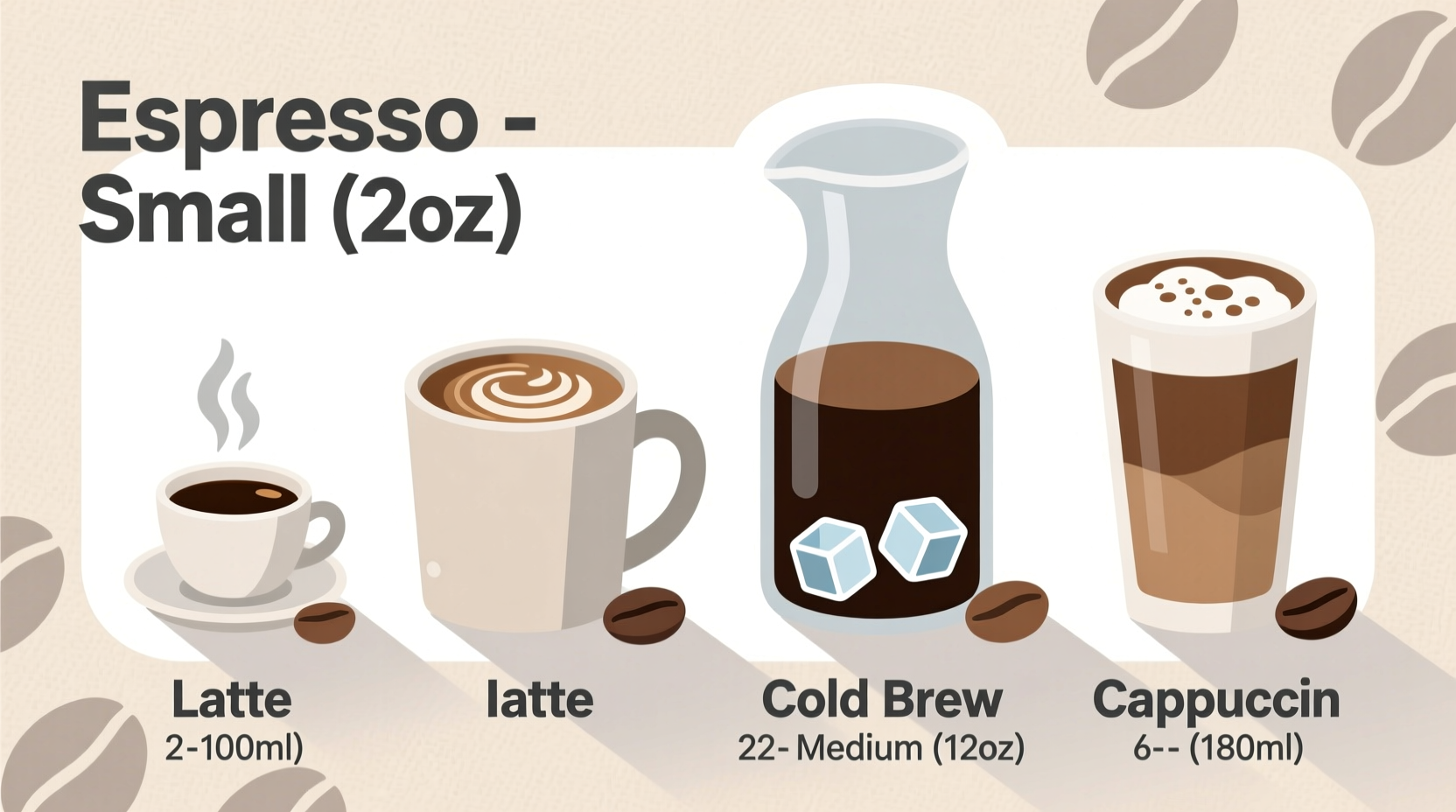
Coffee is more than just a beverage—it’s a sensory experience shaped by aroma, temperature, texture, and proportion. The cup acts as both container and conductor, influencing how heat dissipates, how aromas are released, and how the drinker interacts with each sip. A too-large cup cools too quickly; a too-small one overflows or forces rushed consumption. Even the shape—tapered, wide-mouthed, or narrow—affects crema retention and milk integration.
Baristas and coffee professionals rely on standardized volumes not out of tradition, but because these sizes have been refined through years of testing. For instance, a traditional espresso requires a small, preheated ceramic cup to maintain its 60–70°C ideal serving temperature. In contrast, a cold brew needs a taller, insulated tumbler to keep ice from melting too fast and diluting the concentrate.
Matching Cup Sizes to Beverage Types
Different brewing methods produce different concentrations and textures, which directly influence the appropriate cup size. Below is a breakdown of common coffee beverages and their ideal serving vessels.
| Beverage Type | Standard Volume | Recommended Cup Size | Material & Shape Notes |
|---|---|---|---|
| Espresso (single/double) | 30–60 ml (1–2 oz) | 60–90 ml (2–3 oz) | Small ceramic demitasse; thick walls for heat retention |
| Macchiato | 60–90 ml (2–3 oz) | 90–120 ml (3–4 oz) | Narrow glass or ceramic to preserve espresso integrity |
| Cappuccino | 150–180 ml (5–6 oz) | 177–200 ml (6–7 oz) | Wide-rimmed ceramic bowl to support foam layer |
| Latte | 200–360 ml (7–12 oz) | 240–355 ml (8–12 oz) | Tall ceramic mug or glass; straight sides for latte art |
| Americano | 180–360 ml (6–12 oz) | 240–355 ml (8–12 oz) | Ceramic or double-walled glass to retain heat |
| Pour Over / Drip Coffee | 180–240 ml (6–8 oz) | 240–300 ml (8–10 oz) | V-shaped mug to concentrate aroma at the rim |
| Cold Brew | 355–475 ml (12–16 oz) | 475 ml (16 oz) | Insulated tumbler or tall glass with straw |
| Frappe / Blended Drink | 355–475 ml (12–16 oz) | 475 ml (16 oz) | Plastic or reusable cup with lid and wide straw |
Expert Insight: Why Proportion Matters
“The ratio of coffee to air, milk, or water determines the sensory profile. A cappuccino in a 16-ounce cup loses its identity—it becomes milky coffee, not a balanced classic.” — Rafael Torres, Head Barista at Origin Coffee Lab
Torres emphasizes that tradition in coffee service isn’t arbitrary. The standard 6-ounce cappuccino, with equal parts espresso, steamed milk, and foam, relies on precise volume to deliver its signature richness and texture. Serve the same ingredients in a 12-ounce cup, and the foam collapses, the espresso dilutes, and the experience shifts entirely.
Step-by-Step Guide to Choosing Your Ideal Cup
Whether you're setting up a home barista station or selecting mugs for your café, follow this process to match cup size to beverage type:
- Identify the primary drink type. Determine whether you’re serving espresso, milk-based drinks, filter coffee, or cold beverages.
- Check the standard volume. Refer to industry norms (like those in the table above) for typical serving sizes.
- Select material based on temperature needs. Use ceramic for hot drinks, double-walled glass for temperature stability, and insulated tumblers for cold beverages.
- Consider shape and mouthfeel. Narrow rims enhance aroma; wide openings allow for foam presentation. Tapered mugs keep heat in; straight-sided ones aid latte art.
- Test and adjust. Pour your drink into the chosen cup. Does the foam sit properly? Does the coffee cool too fast? Adjust size or material as needed.
Real-World Example: A Café’s Cup Dilemma
A specialty coffee shop in Portland noticed customers frequently complained that their lattes were “too milky” and “lukewarm by the third sip.” After reviewing their service, they discovered they were using oversized 16-ounce mugs for standard 8-ounce lattes. The excess space caused the milk to overwhelm the espresso, and the large surface area accelerated cooling. By switching to 10-ounce tulip-shaped ceramic mugs, they restored balance and improved customer satisfaction scores by 38% within six weeks. The change was simple, cost-effective, and rooted in understanding beverage-to-vessel proportion.
Common Cup Selection Mistakes
- Using travel mugs for espresso. Most are too large and lack proper heat retention for short drinks.
- Serving cold brew in small glasses. This leads to over-dilution as ice takes up too much volume relative to coffee.
- Ignoring preheating. Cold ceramic absorbs heat from espresso, muting flavor and killing crema.
- Choosing style over function. A beautiful wide bowl may look elegant but ruins foam structure in cappuccinos.
Checklist: How to Choose the Right Coffee Cup
- ✅ Match cup size to beverage type (e.g., 3 oz for espresso, 12 oz for latte).
- ✅ Use ceramic for hot drinks, insulated or glass for cold.
- ✅ Preheat cups for espresso and cappuccino.
- ✅ Ensure the rim enhances aroma and sip comfort.
- ✅ Test pour to verify foam stability and temperature retention.
- ✅ Avoid oversized containers that dilute flavor or accelerate cooling.
Frequently Asked Questions
Can I use the same cup for both espresso and americano?
Yes, but with caveats. A 6-ounce ceramic cup works well for a single espresso or a small americano (espresso + 3–4 oz hot water). For larger americanos (8–12 oz), a bigger mug is necessary to accommodate added water without overflow or excessive headspace.
Why do some cafés serve lattes in glass?
Glass showcases latte art and allows customers to see milk integration. It also provides a neutral taste profile. However, glass cools faster than ceramic, so double-walled or tempered glass is preferred for heat retention.
Is there a universal coffee cup size?
No. While 8 ounces is common for drip coffee, specialty drinks require tailored sizing. A universal cup compromises quality. Instead, maintain a small collection of purpose-specific cups for optimal results.
Final Thoughts: Elevate Your Coffee Ritual
Choosing the perfect coffee cup size isn’t about rigid rules—it’s about respect for the craft. Every element, from bean roast to grind size, matters. The cup is no exception. By aligning vessel size, shape, and material with the beverage type, you preserve balance, enhance flavor, and honor the intention behind each brew. Whether you're sipping a ristretto at dawn or enjoying an iced mocha in the afternoon, the right cup transforms a routine moment into a deliberate pleasure.




 浙公网安备
33010002000092号
浙公网安备
33010002000092号 浙B2-20120091-4
Comments
No comments yet. Why don't you start the discussion?