
Navigating city streets, hopping on public transit, squeezing into elevators, and transitioning from office to errands—modern women need a handbag that keeps pace. The ideal commuter bag isn’t just stylish; it must support your daily rhythm with smart organization, lasting materials, and ergonomic comfort. Too often, women settle for bags that look good but fail under real-world demands. This guide cuts through the noise to help you select a handbag that blends elegance with endurance, ensuring every carry feels effortless.
Assess Your Daily Needs First
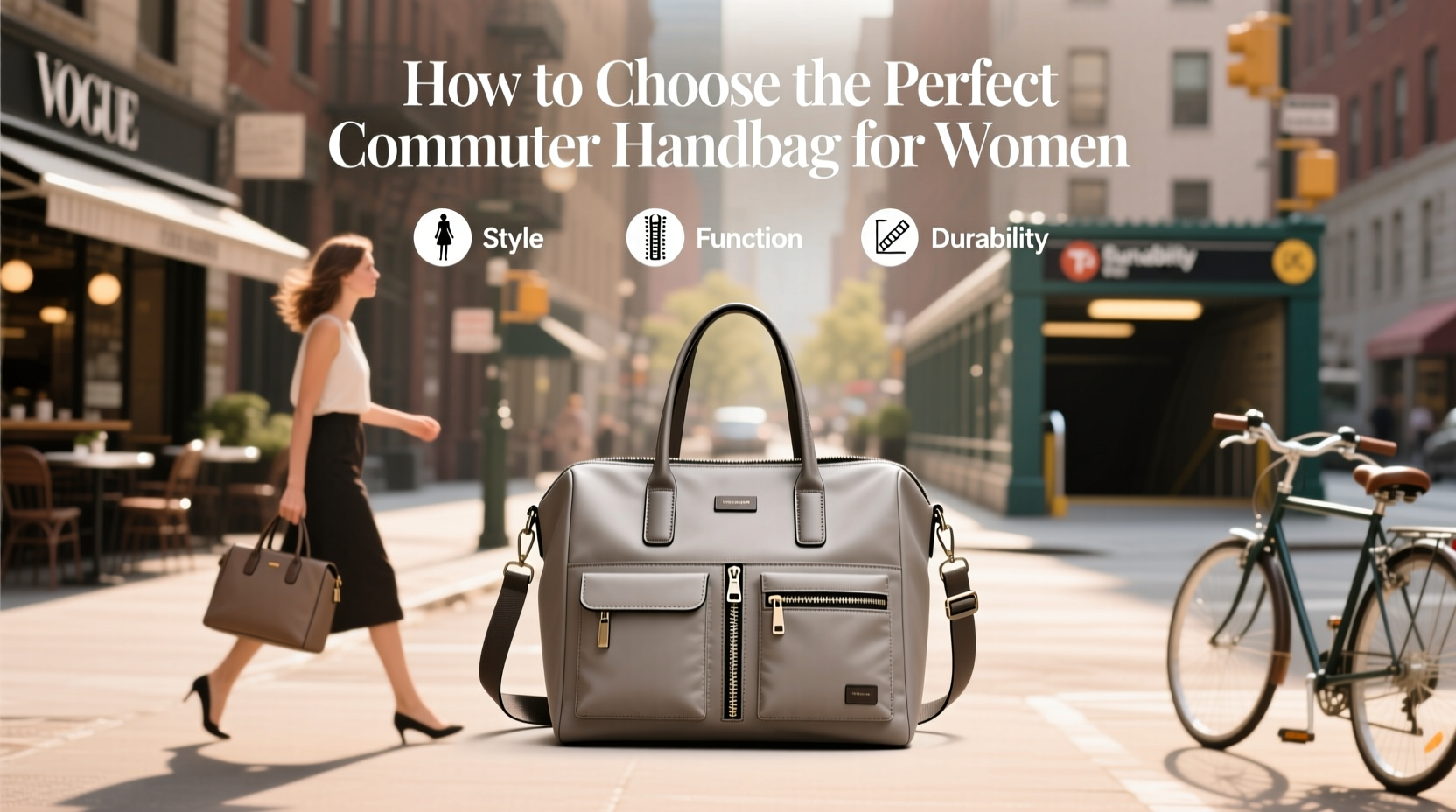
Before considering color or brand, define what you actually carry. A teacher hauling lesson plans, a laptop, and lunch will have vastly different needs than a designer who only needs a tablet, wallet, and makeup pouch. Start by laying out everything you bring daily:
- Laptop or tablet
- Notebook or planner
- Wallet and keys
- Phone and charger
- Water bottle
- Makeup or personal items
- Lunch container or tote bag
Once inventoried, measure the largest item—usually your tech gear. This determines the minimum internal dimensions your bag requires. Overlooking this step leads to awkward bulges or last-minute transfers between bags.
Material Matters: Balancing Durability and Style
The material defines both longevity and aesthetic. While genuine leather exudes sophistication, not all leathers are created equal. Full-grain leather develops a rich patina over time and resists wear better than top-grain or bonded alternatives. For rainy climates, water-resistant nylon or waxed canvas offers reliable protection without sacrificing modern appeal.
Consider maintenance requirements. Suede may look luxurious but stains easily and demands specialized care. Vegan leather has improved significantly in recent years, with some polyurethane (PU) options offering excellent scratch resistance and lower environmental impact than PVC-based versions.
“Durability isn’t just about thickness—it’s about how the material responds to friction, moisture, and UV exposure.” — Lena Torres, Product Designer at UrbanTote Co.
Common Materials Compared
| Material | Durability | Weather Resistance | Care Level | Best For |
|---|---|---|---|---|
| Full-Grain Leather | Excellent | Moderate (needs conditioning) | Moderate | Long-term investment, professional settings |
| Waxed Canvas | Very Good | High | Low | Rainy cities, casual commuters |
| Vegan Leather (PU) | Good | Good | Low | Eco-conscious buyers, budget-friendly option |
| Suede | Fair | Poor | High | Occasional use, dry climates |
| Nylon | Good | High | Low | Active lifestyles, travel-heavy routines |
Design Features That Make a Difference
A well-designed commuter bag anticipates problems before they happen. Look beyond zippers and straps—focus on functional details that elevate usability:
- Dedicated laptop sleeve: Padded and accessible from the outside reduces strain when going through security checks.
- Multiple compartments: Internal pockets for phone, pens, and cards prevent chaotic digging.
- RFID-blocking wallet slot: Essential for protecting contactless payment data in crowded spaces.
- Adjustable, padded shoulder strap: Prevents shoulder fatigue during long walks or standing commutes.
- Top handles + crossbody option: Versatility lets you switch based on load or situation.
- Water-repellent lining: Protects contents if caught in rain or spills occur.
Security is another overlooked factor. Bags with magnetic snap closures may be convenient but open too easily in crowds. Zippered main compartments offer greater peace of mind, especially in high-density areas.
Real-Life Example: Sarah’s Commute Upgrade
Sarah, a marketing manager in Seattle, used a sleek leather tote for two years. It looked polished but lacked structure, causing her laptop to shift and scratch against other items. After her third charging cable frayed from constant pressure, she reevaluated.
She switched to a structured satchel made from water-resistant waxed canvas with a padded laptop section, side pocket for her umbrella, and RFID-safe zip pocket. Though slightly heavier, the new bag reduced morning stress, protected her devices, and survived daily downpours. “I didn’t realize how much mental energy I spent managing my old bag,” she said. “Now I just grab and go.”
Step-by-Step Guide to Choosing Your Ideal Bag
Selecting the right commuter handbag doesn’t have to be overwhelming. Follow this five-step process to make a confident decision:
- Inventory your essentials: List and measure daily items, especially electronics.
- Determine preferred carrying style: Shoulder, crossbody, or top-handle? Consider posture and commute length.
- Set a realistic budget: Invest in quality—$150–$300 often yields durable, thoughtfully designed options.
- Test functionality: If buying online, check return policies. In-store, load the bag with sample items to assess balance and access.
- Evaluate long-term appeal: Choose neutral colors like navy, taupe, or charcoal for versatility across seasons and outfits.
Essential Checklist Before You Buy
Use this checklist to avoid regrettable purchases:
- ✅ Fits laptop/tablet securely with padding
- ✅ Has separate, easy-access pocket for phone and keys
- ✅ Lining is dark-colored and wipeable
- ✅ Zippers glide smoothly and close fully
- ✅ Straps don’t slip off shoulders
- ✅ Weight feels balanced when full
- ✅ Exterior resists light scuffs and moisture
- ✅ Matches at least three outfits in your work wardrobe
Frequently Asked Questions
Can a stylish bag also be practical for commuting?
Absolutely. Many designers now prioritize ergonomics without sacrificing aesthetics. Look for brands that emphasize \"functional fashion,\" such as Dagne Dover, Bellroy, or Fossil’s commuter lines. These combine clean silhouettes with organizational intelligence.
How do I know if a bag is comfortable for daily wear?
Comfort depends on weight distribution and strap design. Wider, padded straps reduce pressure. Crossbody styles often distribute weight more evenly than single-shoulder totes. If possible, test the bag with your typical load to evaluate strain after 10–15 minutes of wear.
Is leather worth the extra cost for a commuter bag?
Yes—if it's high-quality leather and properly maintained. Full-grain leather molds to your body over time and can last a decade with care. However, in wet climates, consider treated leather or alternative materials unless you commit to regular conditioning and protective sprays.
Final Thoughts: Invest in What Carries You Forward
Your commuter handbag is more than an accessory—it’s a daily companion that holds your tools, identity, and confidence. Choosing one that aligns with your routine ensures smoother mornings, less physical strain, and fewer surprises. Prioritize thoughtful construction over fleeting trends. Seek out brands that stand behind their craftsmanship with warranties and ethical sourcing.
When style, function, and durability intersect, you’re not just buying a bag—you’re investing in a simpler, more composed version of your day. Take the time to evaluate your needs, test options thoroughly, and choose with intention.




 浙公网安备
33010002000092号
浙公网安备
33010002000092号 浙B2-20120091-4
Comments
No comments yet. Why don't you start the discussion?