
Every student knows that staying hydrated during long class hours, extracurriculars, and study sessions is essential. But let’s be honest—no one wants to carry a bulky, boring bottle that doesn’t reflect their personality. The ideal school water bottle should do more than just hold water; it should inspire you to drink more while fitting seamlessly into your daily routine. With countless designs, materials, and features on the market, finding the perfect balance between cuteness and functionality can feel overwhelming. This guide breaks down everything you need to consider—from material safety to leak-proof performance—so you can pick a bottle that’s as practical as it is adorable.
Why Your Water Bottle Matters More Than You Think
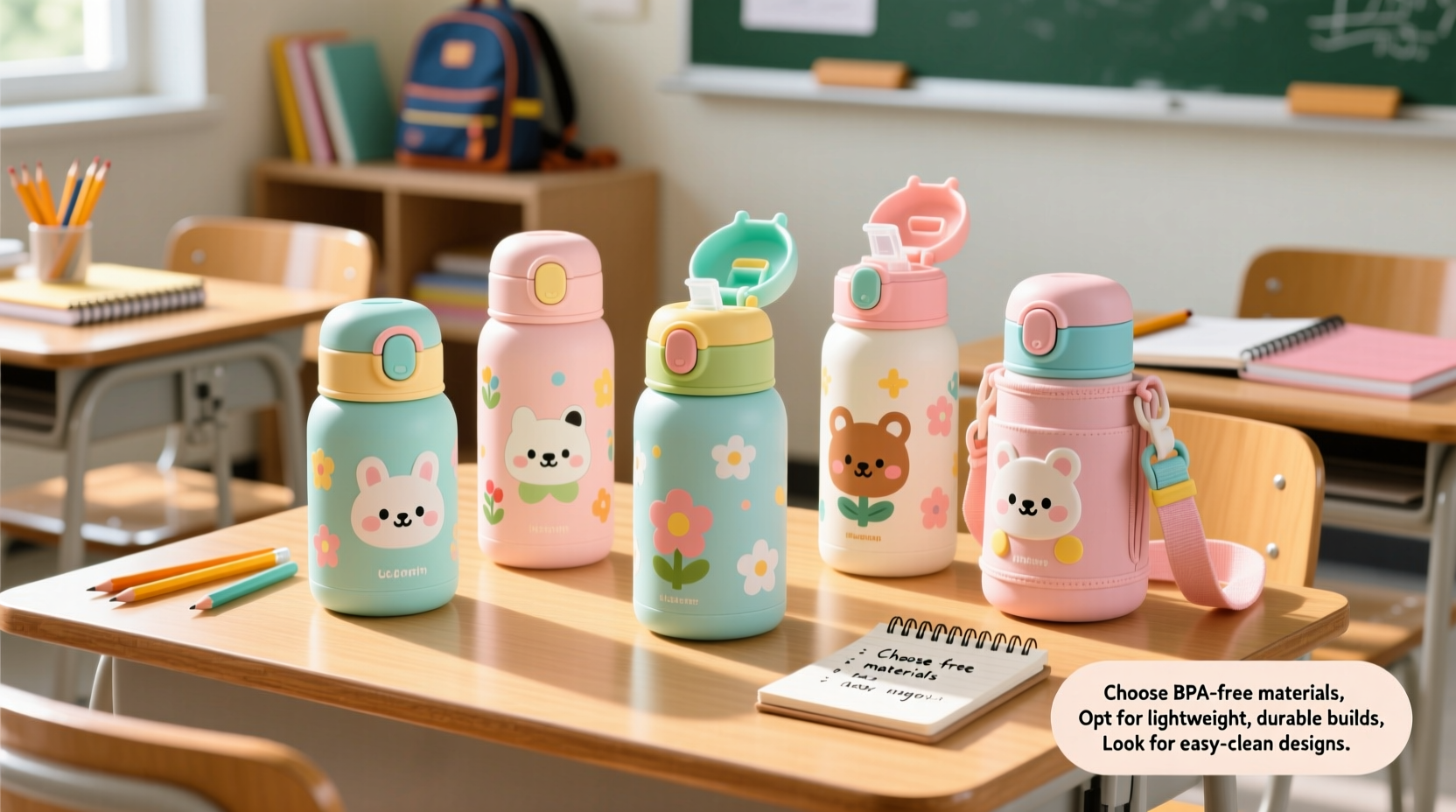
A water bottle isn’t just an accessory—it’s a tool for health, focus, and convenience. Dehydration can lead to fatigue, poor concentration, and even headaches, all of which are counterproductive in a school environment. According to the Mayo Clinic, teens and young adults should aim for about 8–10 cups of water per day, depending on activity level and climate. A reliable, appealing water bottle makes hitting that goal easier by being accessible and enjoyable to use.
Beyond hydration, your choice of bottle also reflects personal style. Whether you love pastel colors, bold patterns, or minimalist aesthetics, your bottle can be an extension of your identity. But style shouldn’t come at the expense of function. A beautiful bottle that leaks in your backpack or is difficult to clean quickly loses its charm.
Key Features to Look For in a School-Friendly Water Bottle
When shopping for a cute water bottle, don’t just fall for the first Instagram-worthy design you see. Prioritize these functional elements to ensure long-term satisfaction:
- Durability: School life is rough. Bottles get tossed in backpacks, dropped on sidewalks, and knocked off desks. Opt for shatter-resistant materials like stainless steel or BPA-free Tritan plastic.
- Leak-proof lid: A leaking bottle can ruin books, electronics, and clothing. Look for models with secure screw-top or flip-top lids tested for upside-down use.
- Capacity: 16–24 ounces is ideal for most students. Larger bottles (32 oz+) may be too heavy when full, especially for younger students or those carrying heavy loads.
- Insulation: Double-walled stainless steel keeps drinks cold for up to 24 hours, which is perfect for hot days or sports practice after school.
- Easy cleaning: Bottles with wide mouths or removable silicone seals are simpler to dry and sanitize, reducing bacterial growth.
- Ergonomic design: Consider grip comfort, weight when full, and whether it fits in standard backpack side pockets or under desks.
“Students who use reusable water bottles drink significantly more water throughout the day compared to those relying on disposable options.” — Dr. Lena Torres, Pediatric Nutrition Researcher
Material Comparison: What’s Best for Safety and Performance?
The material of your water bottle affects taste, temperature retention, durability, and environmental impact. Here’s how common options stack up:
| Material | Pros | Cons | Best For |
|---|---|---|---|
| Stainless Steel | Excellent insulation, durable, non-toxic, no flavor transfer | Heavier, higher cost, limited color variety | Cold climates, outdoor activities, long school days |
| BPA-Free Plastic (Tritan) | Lightweight, affordable, vibrant designs, shatterproof | Less insulation, can scratch easily, may retain odors | Younger students, fashion-focused users, budget shoppers |
| Glass (with sleeve) | Pure taste, eco-friendly, easy to clean | Fragile, heavy, requires protective casing | Home or desk use; less ideal for active school environments |
| Silicone-Foldable | Ultra-portable, collapsible, fun colors | Poor insulation, harder to keep upright, limited capacity | Backpack space-savers, occasional use |
Step-by-Step Guide to Choosing Your Perfect Bottle
Follow this five-step process to narrow down your options efficiently:
- Assess your daily routine. Do you walk between classes? Play sports? Carry a heavy backpack? These factors influence size, weight, and durability needs.
- Determine your preferred temperature control. If you hate warm water by noon, invest in double-wall vacuum insulation.
- Set a realistic budget. Quality bottles range from $15–$40. Spending more often means better sealing mechanisms and longer warranties.
- Prioritize ease of maintenance. Can you disassemble the lid? Is it dishwasher-safe? Will you actually clean it regularly?
- Match it to your aesthetic. Pick a color, pattern, or brand that excites you—but only after confirming the functional basics are met.
Real Student Example: How Mia Found Her Ideal Bottle
Mia, a high school sophomore, went through three different water bottles in one semester. The first leaked in her bag, the second was too heavy when full, and the third couldn’t keep her water cold past lunchtime. Frustrated, she researched before buying a 20-ounce stainless steel bottle with a matte pink finish and a straw lid. It fit perfectly in her locker and backpack side pocket, stayed cold until dismissal, and didn’t add strain to her shoulder. Because she loved the look and trusted the performance, she started drinking nearly twice as much water each day. Her energy improved, and she stopped reaching for sugary drinks between classes.
Mia’s story shows that emotional appeal matters—but only when backed by real-world usability.
Checklist: Before You Buy Your Cute Water Bottle
- ✅ Does it fit in your backpack’s side compartment?
- ✅ Is the lid truly leak-proof (tested upside down)?
- ✅ Can you comfortably carry it when full?
- ✅ Is it made from safe, non-toxic materials?
- ✅ Is it easy to clean thoroughly?
- ✅ Does it keep drinks cold (or hot) long enough?
- ✅ Do you genuinely love the way it looks?
- ✅ Is there a warranty or return policy?
Frequently Asked Questions
Can I put my cute water bottle in the dishwasher?
It depends on the material and manufacturer. Most BPA-free plastic and stainless steel bottles are top-rack dishwasher safe, but always check the care label. Lids with rubber seals or straws often require hand washing to prevent mold buildup.
How do I stop my water bottle from smelling?
Wash it daily with warm soapy water and let it air dry completely with the lid off. For persistent odors, soak it with a mixture of baking soda and water or white vinegar overnight, then rinse thoroughly.
Are glitter or painted bottles safe for school use?
Yes, if the coating is sealed and chip-resistant. Avoid bottles where paint flakes easily, as ingesting loose particles is unsafe. Look for brands that use non-toxic, food-grade finishes.
Final Thoughts: Make Hydration a Joy, Not a Chore
Choosing the perfect cute water bottle for school isn’t about chasing trends—it’s about finding a sustainable, reliable companion that supports your health and expresses your individuality. When function and style align, you’re far more likely to stay hydrated, reduce single-use plastic waste, and enjoy a small daily ritual that contributes to better focus and well-being.
The next time you’re browsing online or walking through a store, remember: the cutest bottle isn’t just the one that catches your eye—it’s the one you’ll actually use every single day.




 浙公网安备
33010002000092号
浙公网安备
33010002000092号 浙B2-20120091-4
Comments
No comments yet. Why don't you start the discussion?