
Selecting dinnerware isn’t just about matching plates to your kitchen decor—it’s a decision that affects daily convenience, long-term costs, and even dining enjoyment. With so many materials, styles, and price points available, finding a set that balances beauty, resilience, and functionality can feel overwhelming. The right dinnerware should withstand daily use, resist chipping and staining, and still look elegant after years of meals. This guide breaks down the essential factors to consider when choosing a dinnerware set built for real life.
Understand Your Daily Needs First
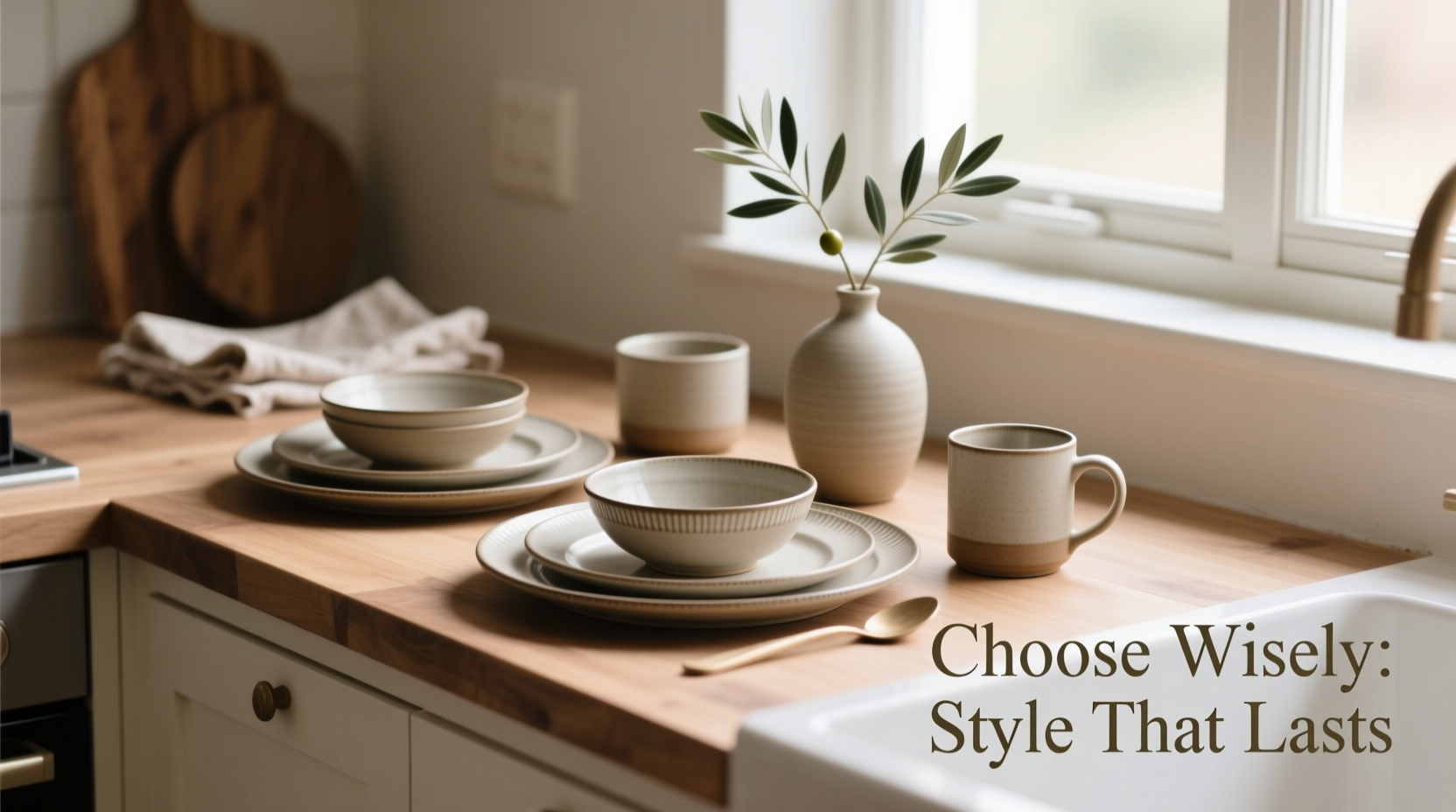
Before browsing glossy catalogs or scrolling through online collections, assess how you actually eat at home. A family of four with young children has different needs than a couple who entertains frequently or someone living alone. Consider:
- Frequency of use: Will these dishes be used multiple times a day, every day?
- Dining habits: Do you serve soup nightly? Eat off large platters? Use the microwave often?
- Cleaning routines: Are you hand-washing, or relying on a dishwasher?
- Lifestyle: Do you host guests regularly, or is this primarily for personal use?
These questions shape your ideal material, size, and design. For example, deep bowls are essential if you love grain bowls or soups, while low-rimmed plates may suit formal dining better but trap liquids during casual meals.
Compare Materials: Durability vs. Aesthetics
The material of your dinnerware directly impacts longevity, weight, heat retention, and maintenance. Here’s a breakdown of the most common options:
| Material | Durability | Heat Resistance | Maintenance | Best For |
|---|---|---|---|---|
| Stoneware | High | Good (oven-safe) | Dishwasher & microwave safe | Families, everyday meals |
| Porcelain | Moderate to High | Excellent (often oven-safe) | Low maintenance; some hand-wash only | Balanced elegance and function |
| Vitrified Ceramic | Very High | Excellent | Highly resistant to chipping and stains | Commercial or heavy-use homes |
| Earthenware | Low | Poor (not always oven-safe) | Often hand-wash recommended | Decorative or occasional use |
| Bone China | Moderate (lightweight but strong) | Good | Usually dishwasher safe; avoid sudden temp changes | Elegant everyday sets |
For true everyday use, stoneware and vitrified ceramic stand out. They resist chipping from drops and tolerate high dishwasher temperatures. Porcelain offers a sleeker profile and is surprisingly tough when well-made. Avoid thin earthenware unless you’re reserving it for weekends or display.
“Durability doesn’t mean sacrificing elegance. Modern stoneware can have a refined finish while surviving daily wear.” — Lena Torres, Kitchen Design Consultant
Design Features That Matter Beyond Color
While color and pattern play a role in aesthetics, functional design elements are what make dinnerware truly user-friendly over time.
Edge Profile and Rim Depth
A slightly raised rim helps contain sauces and prevents spills, especially for saucy pastas or stews. Flat, wide-rimmed plates look modern but can be messy during casual meals.
Weight and Balance
Heavier plates feel substantial but may be tiring for children or elderly users. Lightweight porcelain or bone china offers ease without feeling flimsy—if made with dense firing techniques.
Stackability and Storage
If storage space is limited, look for sets that nest neatly. Some designs include stacking ridges to prevent scratching. Avoid overly textured surfaces if you plan to stack frequently—they can trap food debris and scratch adjacent pieces.
Microwave and Oven Compatibility
Check manufacturer labels. While most ceramic and stoneware are microwave-safe, metallic trims or painted designs may spark or degrade. If you reheat meals often, ensure all pieces—including salad plates—are labeled accordingly.
Step-by-Step Guide to Choosing Your Set
- Assess household size and usage: Determine how many place settings you need (add 2 extra for guests).
- Set a realistic budget: Quality everyday sets range from $30–$150 for a 4-piece place setting. Invest in essentials first (dinner plates, bowls, mugs).
- Choose a material: Prioritize stoneware, porcelain, or vitrified ceramic for daily resilience.
- Select a neutral base: Solid colors or subtle patterns (like speckled glaze or soft geometric lines) hide stains and pair easily with future additions.
- Test in person if possible: Hold a plate—check weight, grip, and edge smoothness. Look for consistent glazing without rough spots.
- Verify care instructions: Confirm dishwasher, microwave, and oven safety. Avoid sets requiring hand-washing unless reserved for special occasions.
- Start small: Buy one complete place setting first. Live with it for two weeks. Notice how it holds up to real meals, washing, and stacking.
Real-Life Example: The Martinez Family’s Upgrade
The Martinez family replaced their delicate white porcelain set after two years of constant chipping and staining. With two toddlers and weekly meal prep, they needed something tougher. They chose a matte-finish stoneware set in warm gray with slightly raised rims. The new set survived dropped spoons, frequent dishwasher cycles, and reheated leftovers—all while looking cohesive on their walnut dining table. After 18 months, only minor surface scuffs appeared, no cracks. “We finally stopped worrying about breaking dishes,” said Maria Martinez. “Now we just enjoy dinner.”
Essential Checklist Before You Buy
- ☐ Includes at least 4 full place settings (dinner plate, salad plate, bowl, mug/cup)
- ☐ Made from durable material (stoneware, porcelain, or vitrified ceramic)
- ☐ Dishwasher and microwave safe (verify all components)
- ☐ Neutral or timeless design that won’t clash in 5 years
- ☐ Edges are smooth and chip-resistant
- ☐ Fits in your dishwasher rack and cabinets
- ☐ Comes with a warranty or breakage replacement option (where applicable)
- ☐ Has positive long-term user reviews mentioning durability
Frequently Asked Questions
Can I mix and match dinnerware brands or styles for everyday use?
Yes—and many people do. As long as pieces share similar color tones or textures, mixing can add character. Just ensure all items have comparable durability and care requirements.
How often should I replace my dinnerware?
Well-maintained stoneware or porcelain can last 10–15 years. Replace pieces when they develop hairline cracks (which harbor bacteria), deep stains, or sharp chips. Small chips on non-edge areas may be safe if smoothed.
Are expensive dinnerware sets worth it for daily use?
Not necessarily. High price doesn’t guarantee durability. Some mid-range brands like Corelle, Denby, or Fjord offer professional-grade resilience at accessible prices. Focus on construction quality, not brand prestige.
Final Thoughts: Build a Set That Lasts
The perfect dinnerware set isn’t found in a single shopping trip—it’s built with intention. Prioritize craftsmanship over trendiness, function over formality, and resilience over rarity. Choose pieces that feel good in your hands, survive your routine, and still bring quiet satisfaction each time you set the table. When dinnerware disappears into the background—not because it’s forgotten, but because it simply works—you’ve found the right fit.




 浙公网安备
33010002000092号
浙公网安备
33010002000092号 浙B2-20120091-4
Comments
No comments yet. Why don't you start the discussion?