
In an era where minimalism meets modern convenience, the front pocket wallet has emerged as a favorite among professionals, travelers, and style-conscious individuals. Unlike bulky bi-fold wallets that stretch out your back pockets and disrupt clean silhouettes, front pocket wallets are designed for comfort, accessibility, and subtle sophistication. But with countless materials, designs, and price points available, how do you pick the one that truly fits your lifestyle? The answer lies in balancing practical needs with personal aesthetics—without compromising on durability or ergonomics.
Why Front Pocket Wallets Are Gaining Popularity
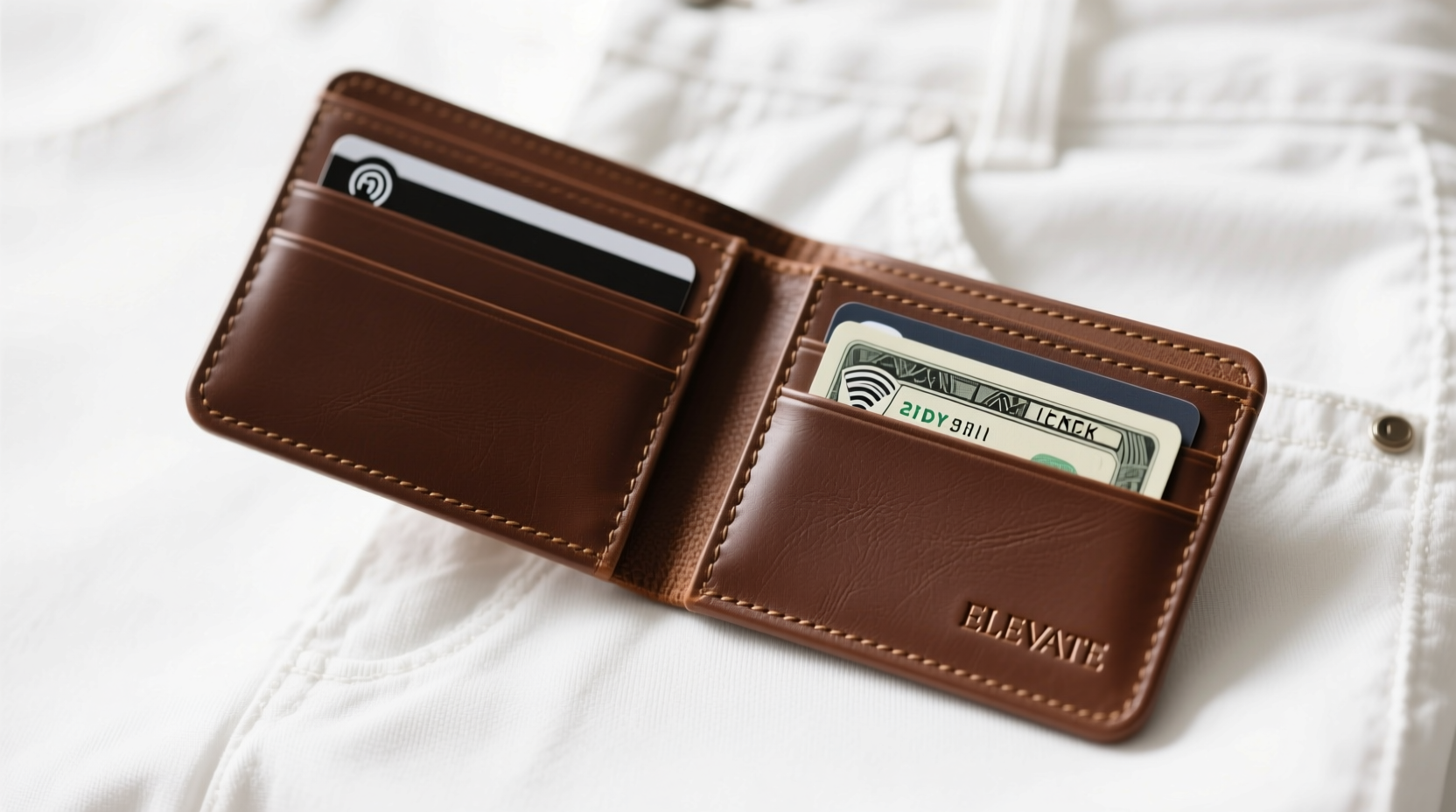
The shift toward slimmer, smarter accessories reflects broader changes in how people carry their essentials. Traditional wallets often hold too much: expired receipts, multiple cards, and folded bills. This clutter leads to discomfort, posture strain, and even hip misalignment over time. Front pocket wallets encourage intentional carrying—only what you need—and sit comfortably in your front pants pocket, reducing physical strain.
Additionally, minimalist design aligns with contemporary fashion trends. Clean lines, compact proportions, and premium materials make these wallets a seamless extension of your personal style. Whether you're dressing up for a meeting or keeping it casual on weekends, a well-chosen front pocket wallet enhances both function and form.
Key Factors to Consider When Choosing a Wallet
Selecting the right front pocket wallet isn’t just about aesthetics—it’s about long-term usability. Here are the core elements to evaluate before making your decision.
Material Matters: Leather vs. Metal vs. Synthetic
The material defines not only how your wallet looks but also how it ages, feels, and performs under daily use.
| Material | Pros | Cons | Best For |
|---|---|---|---|
| Genuine Leather | Ages beautifully, softens over time, classic look | Requires maintenance, can scuff | Style-focused users who appreciate patina |
| Full-Grain Leather | Most durable, develops rich patina | Pricier, stiffer at first | Long-term investment seekers |
| Aluminum/Titanium | Ultra-durable, RFID protection, sleek finish | Cold to touch, heavier, limited card access | Security-conscious tech users |
| Carbon Fiber | Lightweight, modern look, scratch-resistant | Expensive, less flexible | Minimalists seeking innovation |
| Synthetic (Nylon, Polycarbonate) | Water-resistant, affordable | Lacks premium feel, doesn’t age well | Budget-conscious buyers |
“Wallets made from full-grain leather improve with every year of use—like a well-worn watch strap. They tell a story.” — Daniel Reyes, Accessory Designer & Craftsmanship Consultant
Capacity and Card Accessibility
A common misconception is that minimalism means sacrificing utility. In reality, most people only use 3–5 cards regularly. Look for designs that allow quick access without fumbling. Common configurations include:
- Spring-clip mechanism: Holds cards securely; one press releases them slightly for easy pull-out.
- Expandable sleeve: Flexible pocket that accommodates more cards when needed.
- Layered slots: Multiple horizontal or vertical slots for organized access.
Avoid models that require removing all cards just to reach the one at the back. Prioritize smooth retrieval and resistance to wear from frequent use.
Size and Ergonomics
An ideal front pocket wallet should measure no more than 3.5 inches tall and 2.75 inches wide to fit comfortably in standard jeans or trousers. Thickness matters too—anything over 0.5 inches may cause bulging or discomfort while sitting.
Check the curvature and edge finishing. Rounded corners prevent fabric wear and reduce pressure points. Some premium brands contour the edges specifically to match the shape of your pocket and leg anatomy.
Design and Aesthetic Compatibility
Your wallet should complement your wardrobe, not clash with it. Think of it as a subtle accessory—like a belt or watch—that ties your look together.
For formal settings, opt for neutral tones: black, dark brown, or oxblood leather with minimal branding. These pair effortlessly with suits, dress shoes, and tailored trousers.
Casual environments allow for bolder choices—textured leathers, brushed metal finishes, or even engraved patterns. However, avoid flashy logos or excessive detailing if you value understated elegance.
Stitching quality is another silent indicator of craftsmanship. Double-stitched seams and hand-edge painting suggest attention to detail and longevity.
Step-by-Step Guide to Choosing Your Ideal Wallet
Follow this practical sequence to ensure you make a confident, informed purchase:
- Assess your daily carry: List the cards, cash, and IDs you actually use each day.
- Determine your preferred material: Choose based on durability needs, climate, and aesthetic preference.
- Set a realistic budget: Quality front pocket wallets range from $40 (synthetic) to $200+ (handcrafted full-grain leather or titanium).
- Narrow by size: Measure your front pocket and select a wallet that leaves room for movement.
- Test accessibility: If buying online, read reviews about card retrieval speed and ease.
- Evaluate brand reputation: Look for companies offering lifetime warranties or repair services.
- Make the purchase: Start with a trusted brand known for consistency in design and materials.
Real-Life Example: How Mark Upgraded His Daily Carry
Mark, a 34-year-old project manager, used a thick bi-fold wallet for over a decade. It held 12 cards, old loyalty punch cards, and crumpled receipts. He often complained of lower back pain and found himself pulling out his entire wallet just to grab his transit pass.
After switching to a slim, full-grain leather front pocket wallet with a spring-clip mechanism, he reduced his load to six essentials. Within weeks, he noticed less strain when sitting during long meetings. “It sounds minor,” he said, “but not having a lumpy wallet in my back pocket changed how I move throughout the day.”
He now rotates two wallets—one minimalist for weekdays, one slightly larger for travel—proving that thoughtful selection enhances both comfort and efficiency.
Frequently Asked Questions
Can a front pocket wallet really prevent back pain?
Yes. Carrying a bulky wallet in your back pocket can tilt the pelvis, compress the sciatic nerve, and contribute to lumbar strain. A slim front pocket wallet eliminates this imbalance, promoting better posture and reducing pressure on the spine.
Are metal wallets worth the extra cost?
They can be—if security and durability are priorities. Metal wallets offer RFID blocking and extreme resilience. However, they’re less flexible, harder to customize, and may interfere with phone signals if stored together. Best suited for urban commuters concerned about digital theft.
How do I care for a leather front pocket wallet?
Wipe it occasionally with a dry cloth. Every 3–6 months, apply a small amount of leather conditioner to prevent drying and cracking. Avoid prolonged exposure to water or direct sunlight, which can warp or fade the material.
Final Checklist Before You Buy
- ✅ Measures under 3.5” x 2.75”
- ✅ Holds only essential cards (4–6 max)
- ✅ Made from high-quality material (e.g., full-grain leather, titanium)
- ✅ Allows quick, one-handed card access
- ✅ Fits comfortably in your front pocket when seated
- ✅ Matches your daily style (professional, casual, hybrid)
- ✅ Backed by warranty or satisfaction guarantee
Make the Smart Switch Today
Choosing the perfect front pocket wallet isn’t about following trends—it’s about upgrading your daily experience. From improved posture to sharper style, the right wallet quietly enhances how you move through the world. Take the time to assess your needs, test options, and invest in quality. Your future self will appreciate the comfort, confidence, and clutter-free clarity that comes from carrying less—but better.




 浙公网安备
33010002000092号
浙公网安备
33010002000092号 浙B2-20120091-4
Comments
No comments yet. Why don't you start the discussion?