
In a world increasingly focused on sustainability and mindful consumption, the hand woven vegetable basket bag has emerged as more than just a trend—it’s a functional staple. Whether you're navigating farmers' markets, running errands, or heading to the grocery store, these baskets offer an eco-friendly alternative to plastic and synthetic tote bags. But not all hand woven baskets are created equal. Choosing the right one involves more than aesthetics; it requires attention to material, construction, size, and daily usability. The ideal basket should be durable, spacious enough for your needs, comfortable to carry, and easy to maintain—all while reflecting your personal style.
Understanding the Materials: What Your Basket Is Made Of Matters
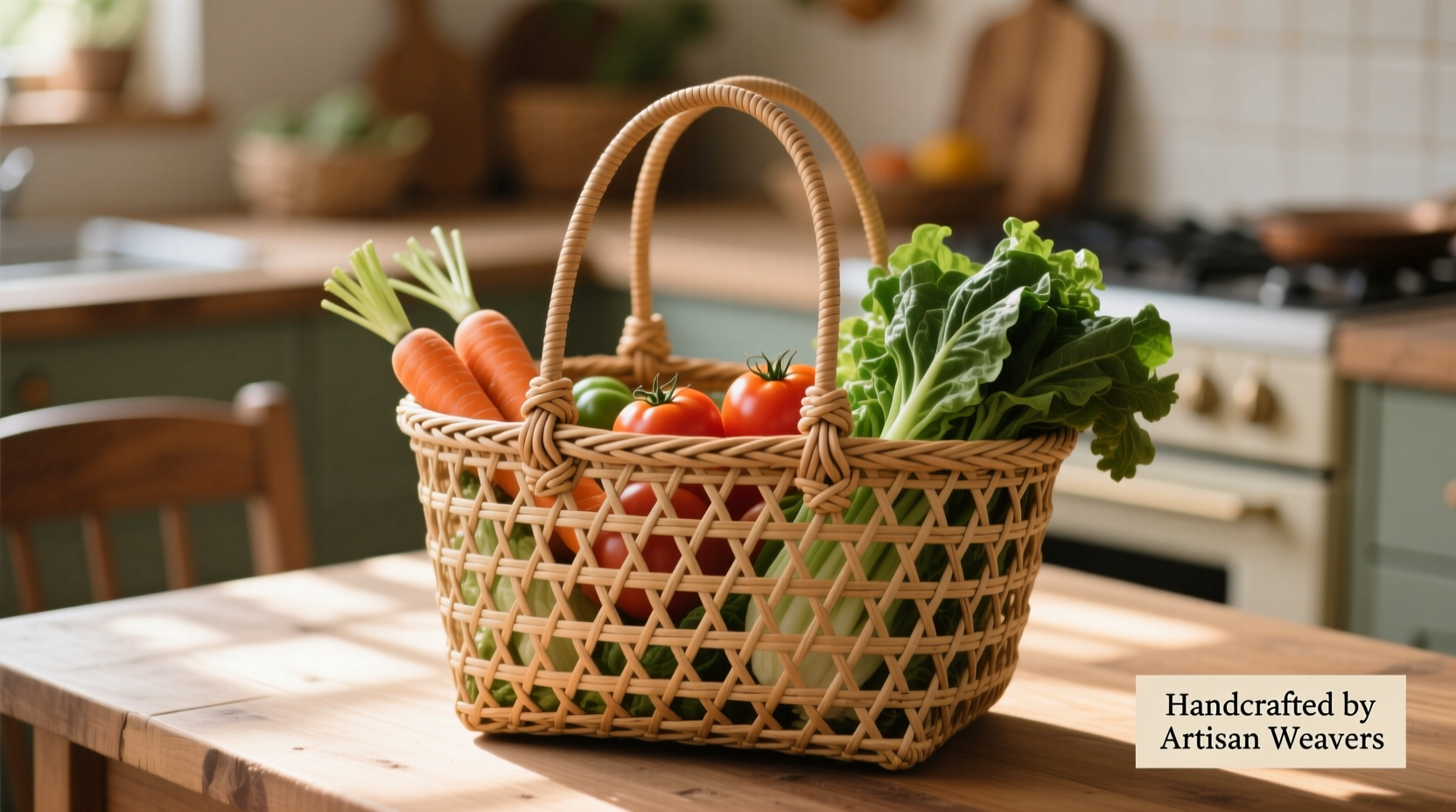
The foundation of any quality hand woven vegetable basket lies in its material. Natural fibers like seagrass, rattan, jute, bamboo, and water hyacinth are commonly used due to their strength, flexibility, and low environmental impact. Each material brings unique characteristics:
- Seagrass: Lightweight and tightly woven, ideal for carrying produce without adding extra weight.
- Rattan: Sturdy and resilient, often used in frames or handles for added structure.
- Jute: Coarse and rustic, best suited for heavier loads but may wear faster with frequent use.
- Bamboo: Naturally antibacterial and moisture-resistant, excellent for humid climates.
- Water Hyacinth: Soft to the touch yet strong, with a smooth finish that resists dirt buildup.
When selecting a basket, inspect the weave closely. Tight, even stitching indicates skilled craftsmanship and durability. Avoid baskets with loose strands, uneven tension, or splintered edges—these can compromise both safety and longevity.
Finding the Right Size and Shape for Daily Use
A basket that's too small forces multiple trips; one that's too large becomes cumbersome and unbalanced when filled. Consider your typical shopping load:
- If you shop daily for fresh ingredients, a medium-sized rectangular or oval basket (approx. 14” x 10”) offers optimal balance between capacity and portability.
- For weekly bulk shopping, look for deeper designs with reinforced bases and optional inner liners to prevent items from falling through.
- Flat, foldable styles are great for commuters who need to store the bag easily after use.
Shape also affects functionality. Rectangular baskets stand upright and maximize space efficiency, making them easier to pack and stabilize. Round or curved baskets may look elegant but can tip over if overloaded or improperly packed.
“Many customers underestimate how much weight a full basket carries. A well-proportioned base and structured sides prevent sagging and strain.” — Lila Nguyen, Artisan Basket Designer
Key Features That Enhance Practicality
While beauty is important, everyday utility demands thoughtful design elements. Look for these features when evaluating options:
| Feature | Why It Matters | What to Look For |
|---|---|---|
| Reinforced Base | Prevents sagging under heavy loads | Double-layered bottom or rigid insert |
| Comfortable Handles | Reduces shoulder or hand fatigue | Padded, wide straps or ergonomically shaped grips |
| Removable Liner | Protects against leaks and simplifies cleaning | Cotton or food-safe fabric with secure fit |
| Foldable Design | Ease of storage and transport | Hinges or flexible weaving that allows safe folding |
| Ventilation Gaps | Allows airflow for fresh produce | Small, consistent spacing in weave pattern |
A removable liner is especially valuable if you plan to carry damp fruits, leafy greens, or items prone to bruising. Liners also help protect delicate fabrics inside the basket from abrasion and stains.
Step-by-Step Guide to Selecting Your Ideal Basket
Follow this process to ensure you make a confident, informed decision:
- Assess Your Needs: Determine how often you’ll use the basket and what types of items you typically carry.
- Set a Realistic Budget: High-quality hand woven baskets range from $30–$90. Investing more often means better materials and craftsmanship.
- Test the Weight: Hold the empty basket. It should feel light but not flimsy—ideally under 2 lbs.
- Check Handle Strength: Gently tug on the handles and simulate carrying weight. They should remain securely attached.
- Inspect the Finish: Look for smooth edges, consistent color, and no signs of chemical treatment or artificial dyes.
- Consider Storage Space: If space is limited, prioritize collapsible or stackable models.
- Evaluate Care Requirements: Some baskets require occasional dusting only; others benefit from periodic conditioning with natural oils.
Real-World Example: Maria’s Market Routine
Maria, a nutrition coach from Portland, used to rely on canvas totes until she discovered a hand woven seagrass basket with a cotton liner during a visit to a local artisan market. She needed something breathable for herbs and root vegetables, yet sturdy enough to hold canned goods and jars. After using it weekly for over 18 months, she reports no structural wear, thanks to her simple maintenance routine: wiping it down monthly with a dry cloth and storing it upright in her pantry. “It holds more than my old tote,” she says, “and people always compliment it at checkout.” Her experience underscores how matching function with lifestyle leads to lasting satisfaction.
Care and Longevity: Protecting Your Investment
A well-maintained hand woven basket can last five years or more. Unlike synthetic materials, natural fibers respond positively to gentle care. Avoid common pitfalls:
- Don’t leave the basket in direct sunlight for extended periods—this causes fading and brittleness.
- Never submerge it in water; instead, spot-clean with a slightly damp cloth and let air dry completely.
- Store it in a dry area with good airflow to prevent mold or mildew.
“Consistent care and proper storage can double a bag’s lifespan.” — Emma Clarke, Fashion Care Expert
For rattan or bamboo components, an annual application of beeswax or mineral oil helps preserve flexibility and luster. Keep away from heaters and humid basements to maintain integrity.
FAQ
Can I wash my hand woven vegetable basket?
No, full immersion washing is not recommended. Instead, wipe the surface with a dry or slightly damp cloth. Remove any liner and wash it separately according to its care label.
Are these baskets suitable for wet produce?
Yes, especially those made from bamboo or water hyacinth, which resist moisture absorption. However, always allow the basket to dry fully after carrying damp items to prevent odor buildup.
Do hand woven baskets support heavy weights?
Well-constructed baskets with reinforced bases can comfortably carry 10–15 pounds. Avoid overloading beyond this limit to preserve shape and structural integrity.
Final Checklist Before You Buy
- ✅ Natural, sustainably sourced materials
- Look for certifications or artisan disclosures where possible.
- ✅ Comfortable, securely attached handles
- Test grip width and padding if applicable.
- ✅ Appropriate size for your shopping habits
- Measure your most-used tote as a reference.
- ✅ Easy-to-clean surfaces and optional liner
- Simplifies maintenance and hygiene.
- ✅ Structured base and balanced shape
- Ensures stability when loaded.
Conclusion
Choosing the perfect hand woven vegetable basket bag isn’t about finding the most beautiful option—it’s about identifying the one that seamlessly integrates into your daily rhythm. From material strength to ergonomic design, every detail contributes to long-term usability and satisfaction. By prioritizing craftsmanship, practicality, and care, you invest not only in a functional accessory but in a sustainable lifestyle choice. These baskets aren’t just containers; they’re companions to mindful living.




 浙公网安备
33010002000092号
浙公网安备
33010002000092号 浙B2-20120091-4
Comments
No comments yet. Why don't you start the discussion?