
Selecting an iPhone case might seem like a simple accessory decision, but it's one of the most impactful choices you'll make for your device. A well-chosen case doesn’t just enhance aesthetics—it safeguards your investment, supports daily usability, and reflects personal taste. With countless options flooding the market, from minimalist sleeves to rugged military-grade shells, finding the right balance between style, protection, and functionality requires more than a quick scroll through online reviews. This guide cuts through the noise with actionable insights, real-world considerations, and expert-backed criteria to help you make a confident, informed choice.
Assess Your Protection Needs First
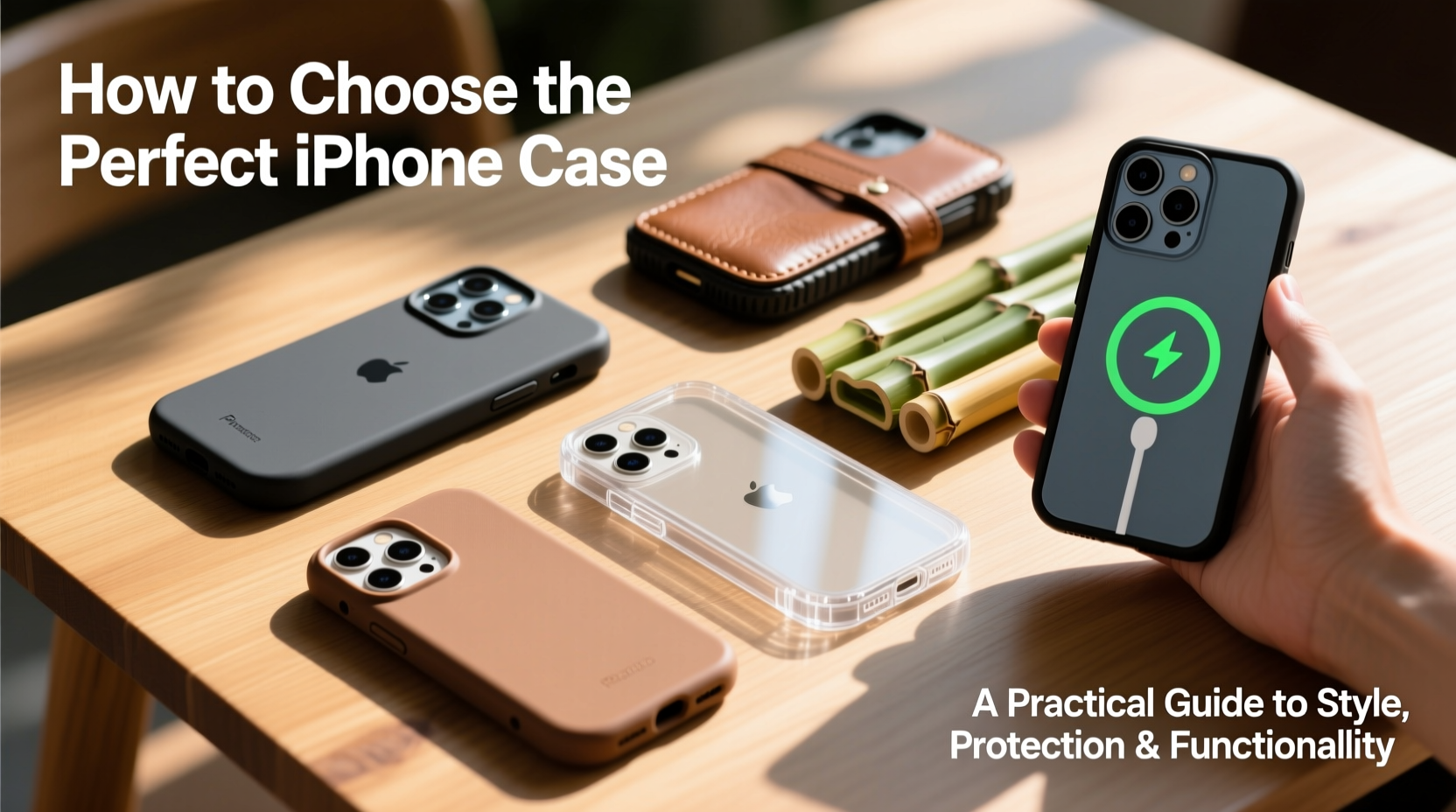
The primary purpose of any phone case is protection. Yet, many buyers prioritize design over durability, only to regret it after a cracked screen or water damage. Start by evaluating your lifestyle: Do you commute daily on public transit? Work in construction or healthcare? Carry your phone in a backpack or loose in a bag?
Different environments demand different levels of defense:
- Low-risk users (desk jobs, careful handling) may benefit from slim, lightweight cases.
- Moderate-risk users (parents, students, frequent travelers) should consider shock-absorbent materials like TPU or hybrid designs.
- High-risk users (outdoor workers, athletes, clumsy hands) need rugged, drop-tested cases with reinforced corners and raised edges.
“Most iPhone damage occurs within the first six feet—from pockets, tables, or bathroom counters. A case with corner air cushions reduces impact by up to 70%.” — Dr. Alan Reeves, Materials Engineer at MobileShield Labs
Material Matters: Pros and Cons
The material of your iPhone case directly influences grip, weight, heat dissipation, and longevity. Below is a comparison of the most common types:
| Material | Pros | Cons |
|---|---|---|
| TPU (Thermoplastic Polyurethane) | Flexible, shock-absorbent, affordable, excellent grip | Can yellow over time, attracts dust |
| Polycarbonate (Hard Plastic) | Slim, scratch-resistant, maintains clarity | Lacks cushioning, can crack on hard impacts |
| Leather (Genuine or Synthetic) | Premium feel, ages beautifully, timeless look | Expensive, less protective, not water-resistant |
| Silicone | Soft touch, good grip, widely available | Collects lint, prone to tearing, degrades faster |
| Hybrid (TPU + Polycarbonate) | Balances flexibility and rigidity, best overall protection | Slightly bulkier, higher price point |
For most users, a hybrid case offers the optimal blend of resilience and usability. If sustainability is a priority, explore brands using recycled TPU or biodegradable composites—though these often come with trade-offs in durability.
Functionality Features You Shouldn’t Ignore
A great case does more than protect—it enhances how you use your phone. Consider these functional upgrades when shopping:
- MagSafe compatibility: Ensures seamless attachment of chargers, wallets, and mounts. Avoid third-party cases that interfere with magnetic alignment.
- Port access: Check that speaker, charging, and headphone ports are fully unobstructed. Poorly designed cases muffle sound or block cables.
- Camera cutout clearance: Raised bezels around the lens prevent scratches when placed face-down.
- Drop test certification: Reputable brands publish lab results. Look for independent verification, not just marketing claims.
- Wireless charging support: Some thick cases disrupt charging efficiency. Test before committing or choose verified models.
Style That Fits Your Life (Not Just Your Phone)
While protection is essential, no one wants to carry a bulky brick disguised as a phone. Style matters—not as vanity, but as an extension of identity and confidence. The key is aligning your case’s aesthetic with your everyday environment.
For professionals, a sleek black leather or matte polycarbonate case projects polish without distraction. Creative types might embrace bold colors, transparent backs showing custom wallpapers, or artist collaborations. Parents and outdoor enthusiasts often prefer bright, easy-to-spot colors or glow-in-the-dark elements for quick retrieval.
Transparency has surged in popularity, allowing users to showcase their iPhone’s original color. However, clear cases are prone to yellowing and require regular cleaning. To maintain clarity:
- Wipe weekly with a microfiber cloth.
- Use alcohol-free disinfectant wipes.
- Avoid prolonged sun exposure.
Mini Case Study: From Cracked Screens to Confidence
Sarah, a nurse in Chicago, went through three iPhones in two years due to drops during shifts. She switched to a MagSafe-compatible OtterBox Defender series after her hospital’s IT team recommended it. “I drop my phone constantly—between patient rooms, during emergencies,” she said. “Now I don’t even flinch. It survives coffee spills, pocket drops, and being stepped on. And I can still charge it wirelessly at the nurses’ station.” Her new case added bulk, but the trade-off was worth never worrying about repair costs again.
Your iPhone Case Selection Checklist
Before purchasing, run through this checklist to ensure you’re making a balanced decision:
- Protection Level Confirmed?
- ✓ Drop-tested (5+ feet), corner reinforcement, raised screen lip
- Material Suitability?
- ✓ Matches your risk profile (e.g., TPU for active use, leather for office)
- Functionality Verified?
- ✓ Unobstructed ports, camera cutout, button responsiveness
- Magnetic Charging Support?
- ✓ Works with MagSafe or Qi2 without misalignment
- Style Alignment?
- ✓ Color, texture, and visibility match your personal or professional brand
- Brand Reputation?
- ✓ Trusted manufacturer with warranty and customer service
Frequently Asked Questions
Do expensive cases really offer better protection?
Not always. Price often reflects branding, materials, or design partnerships. Some mid-range cases from Spigen, UAG, or ESR outperform premium-priced fashion labels in independent drop tests. Focus on verified specs, not logos.
Should I use a screen protector with a case?
Yes. Even with a high-lip case, a tempered glass screen protector adds a critical second layer against scratches and cracks. Cases protect edges and backs; screen protectors defend the front.
How often should I replace my iPhone case?
Every 12–18 months, or sooner if you notice warping, fading, stickiness, or reduced button function. Worn cases lose structural integrity and become hygiene hazards due to trapped grime.
Final Thoughts: Make the Choice That Works for You
Choosing the perfect iPhone case isn’t about chasing trends or buying the most advertised product. It’s about understanding your habits, environment, and priorities. The ideal case disappears into your routine—protecting silently, functioning smoothly, and reflecting who you are without demanding attention.
Take a moment today to evaluate your current case. Does it survive a real-life drop test? Can you charge it easily? Does it still feel good in your hand? If not, now is the time to upgrade with intention. Your iPhone is a tool, companion, and sometimes lifeline—treat it with a case that matches its importance.




 浙公网安备
33010002000092号
浙公网安备
33010002000092号 浙B2-20120091-4
Comments
No comments yet. Why don't you start the discussion?