
A well-chosen tracksuit does more than make a style statement—it enhances performance, supports movement, and adapts to your body’s needs during different types of workouts. While many men still treat tracksuits as casual loungewear or warm-up gear, modern athletic designs have evolved into high-performance ensembles tailored to specific activities. Whether you're hitting the pavement for a morning run, lifting weights, or winding down with yoga, selecting the right tracksuit can impact comfort, breathability, and even injury prevention.
The key lies in understanding how fabric composition, cut, ventilation, and mobility interact with different physical demands. A tracksuit ideal for weight training may hinder agility during sprint intervals, just as one built for running might lack insulation needed for outdoor winter recovery walks. This guide breaks down the essential considerations for matching your men’s tracksuit to your workout regimen—so you train smarter, recover faster, and move with confidence.
Fabric Matters: Matching Material to Movement
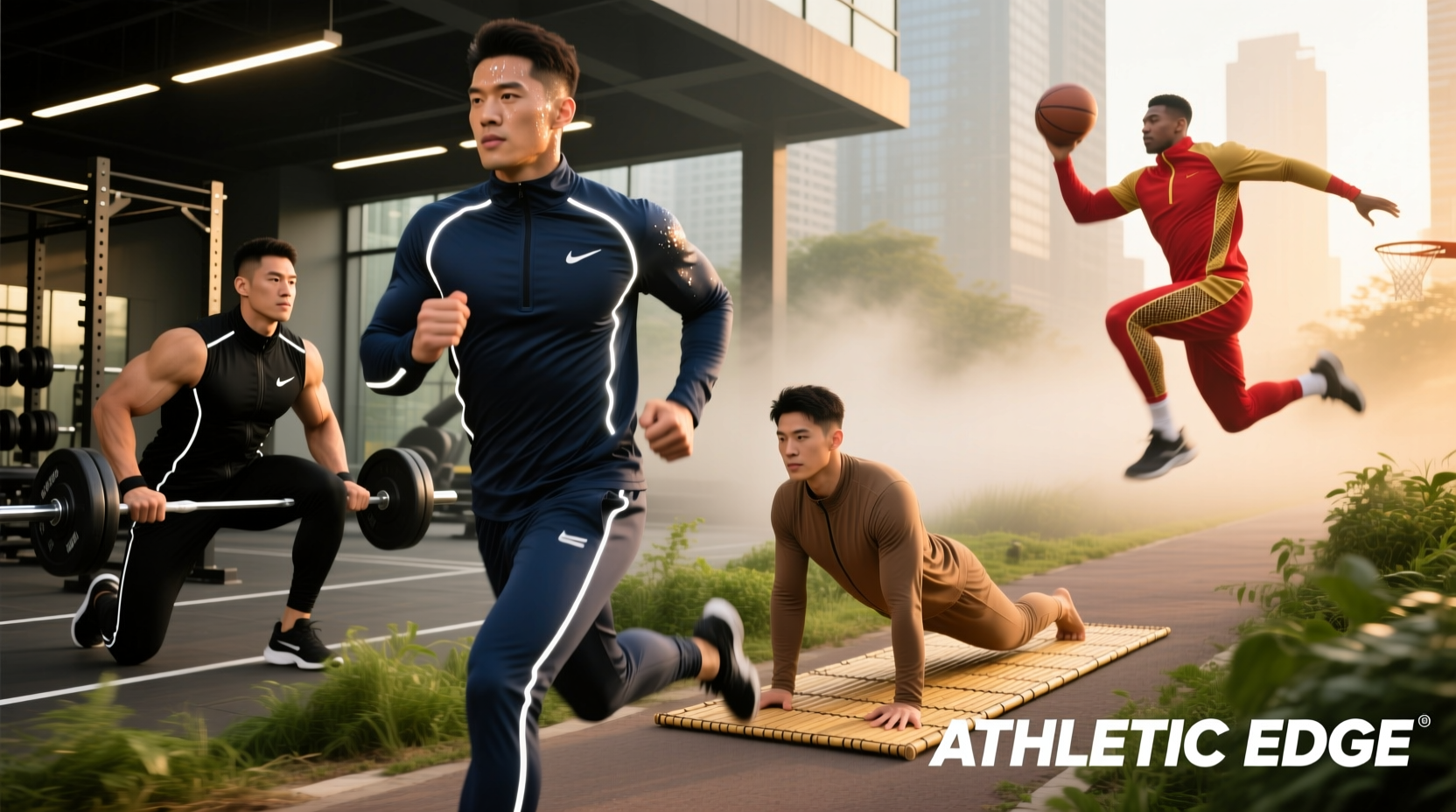
The foundation of any effective tracksuit is its fabric. Materials dictate moisture management, stretch, durability, and temperature regulation. Not all fabrics respond the same under stress, so choosing wisely ensures optimal performance across various exercise types.
- Polyester-blend knits: Lightweight and quick-drying, these are ideal for cardio-focused routines like running or cycling. They resist sweat absorption while maintaining shape after repeated use.
- Nylon-spandex fusion: Offers superior elasticity and abrasion resistance, making it excellent for dynamic movements in HIIT or functional training.
- French terry cotton-poly blends: Softer and slightly heavier, these provide warmth without overheating—perfect for cool-down sessions or low-intensity recovery workouts.
- Brushed fleece interiors: Found in cold-weather variants, they trap heat efficiently but should be avoided in high-sweat environments due to poor breathability.
Selecting the Right Fit for Your Activity
Fit influences both functionality and safety. Too tight, and circulation or range of motion suffers; too loose, and excess fabric becomes a snag hazard or wind resistance factor.
| Workout Type | Recommended Fit | Rationale |
|---|---|---|
| Running / Jogging | Slim, tapered legs | Reduces drag, prevents tripping, allows unrestricted stride |
| Weight Training | Slightly relaxed top, straight-leg bottom | Accommodates muscle expansion, enables deep squats and overhead presses |
| HIIT / Plyometrics | Compression-fit or athletic cut | Supports rapid transitions, minimizes fabric bounce |
| Yoga / Mobility Work | Flexible, four-way stretch material | Enables full extension in poses without restriction |
| Cold-Weather Recovery | Loose layering fit | Allows for mid-layer insulation and air circulation |
“Fit isn’t about fashion—it’s biomechanics. The wrong silhouette can alter posture and increase joint strain over time.” — Dr. Marcus Lin, Sports Physiotherapist
Functional Features by Workout Category
Beyond fabric and fit, functional design elements enhance usability. Zippers, pockets, hems, and seams serve distinct roles depending on your activity.
Running & Outdoor Cardio
- Elasticated ankle cuffs or zippered bottoms for easy on/off over shoes
- Reflective trims for visibility in low light
- Ventilation zones (mesh underarms or back panels)
- Secure zippered pockets for keys or gels
Gym & Strength Training
- Reinforced stitching at stress points (knees, shoulders)
- Moisture-wicking inner lining in the jacket
- Open-hem sleeves to avoid restricting wrist movement during lifts
- Minimal branding to reduce chafing against equipment
High-Intensity Interval Training (HIIT)
- Lightweight, non-insulating materials to prevent overheating
- Full-zip jackets for quick removal between rounds
- Flatlock seams to minimize friction during repetitive motions
Recovery & Low-Impact Movement
- Soft-brushed interior for skin comfort
- Relaxed hooded tops for thermal regulation post-workout
- Drawstring-free waistbands to avoid pressure on the abdomen
Step-by-Step Guide: Choosing Your Ideal Tracksuit
Follow this sequence to match a tracksuit precisely to your primary workout type:
- Identify your dominant activity. Are you mostly running, lifting, doing circuits, or focusing on flexibility? This determines priority features.
- Assess your environment. Indoor gyms tend to be climate-controlled; outdoor workouts demand weather adaptability.
- Check fabric composition. Prioritize synthetics with moisture-wicking properties unless you’re using it solely for recovery.
- Test mobility. Simulate key movements—squat, lunge, reach overhead—before purchasing.
- Evaluate seam construction. Flat or taped seams reduce irritation during prolonged wear.
- Consider layering potential. If you train in variable temperatures, ensure the suit works well under or over other gear.
- Wash and care instructions. Frequent washing degrades fabric; choose machine-washable options that retain color and elasticity.
Real-World Example: From Injury to Performance Upgrade
James R., a 34-year-old personal trainer in Manchester, used to wear a standard cotton-heavy tracksuit for early-morning boot camps. He frequently experienced discomfort around his hips and lower back during lateral drills. After switching to a performance-driven nylon-spandex blend with articulated knees and a gusseted crotch, he noticed immediate improvements in agility and reduced fatigue. “I didn’t realize how much my old suit was holding me back,” he said. “Now I move freely through every rep, and the ventilation keeps me from overheating even in summer circuits.” His experience underscores how technical design directly impacts physical output.
Quick Checklist Before You Buy
- ✅ Fabric is moisture-wicking and includes stretch (elastane/spandex)
- ✅ Cut matches your primary workout’s movement patterns
- ✅ Seams are flat or taped to prevent chafing
- ✅ Pants have adjustable waistband or sufficient give
- ✅ Jacket allows full arm elevation without pulling
- ✅ Includes practical details (zippered pockets, ventilation, reflectivity if needed)
- ✅ Machine washable and colorfast for long-term use
Frequently Asked Questions
Can I wear the same tracksuit for gym and running?
It’s possible, but not ideal. A hybrid option with lightweight fabric, moderate taper, and good breathability can work for both, but you’ll sacrifice some efficiency in each domain. For best results, own two specialized suits—one for strength, one for endurance.
Are cotton tracksuits bad for workouts?
100% cotton absorbs sweat and stays wet, increasing the risk of chafing and chilling post-exercise. However, cotton-polyester blends (e.g., 60/40) with added spandex can be acceptable for low-sweat activities like walking or stretching.
How often should I replace my tracksuit?
Every 12–18 months with regular use. Signs it’s time include pilling, loss of elasticity, persistent odor, or visible seam degradation. High-quality suits maintained properly can last up to two years.
Final Thoughts: Train Better, Recover Smarter
Your tracksuit shouldn’t just look good—it should support your goals. By aligning fabric, fit, and function with your specific workout demands, you gain more than comfort: you gain an edge in performance, consistency, and long-term joint health. Whether you're pushing limits in the gym or cooling down after a marathon session, the right tracksuit acts as silent support gear, adapting to your body’s rhythm.




 浙公网安备
33010002000092号
浙公网安备
33010002000092号 浙B2-20120091-4
Comments
No comments yet. Why don't you start the discussion?