
As temperatures rise during summer, staying cool and dry becomes a top priority—whether you're at the beach, working out, or simply commuting in humid weather. Microfiber towels have emerged as a go-to solution for heat management thanks to their lightweight design, rapid drying capabilities, and superior absorbency. But not all microfiber towels are created equal. Choosing the right one can make the difference between feeling refreshed and ending up with a damp, sticky cloth that traps heat.
Understanding what sets high-performance microfiber towels apart from average ones is essential. From fiber composition and weave density to size and portability, each factor influences how effectively a towel cools your skin and enhances comfort in hot conditions. This guide breaks down the key considerations backed by material science and user experience, helping you select a towel that performs when it matters most.
Why Microfiber Excels in Summer Conditions
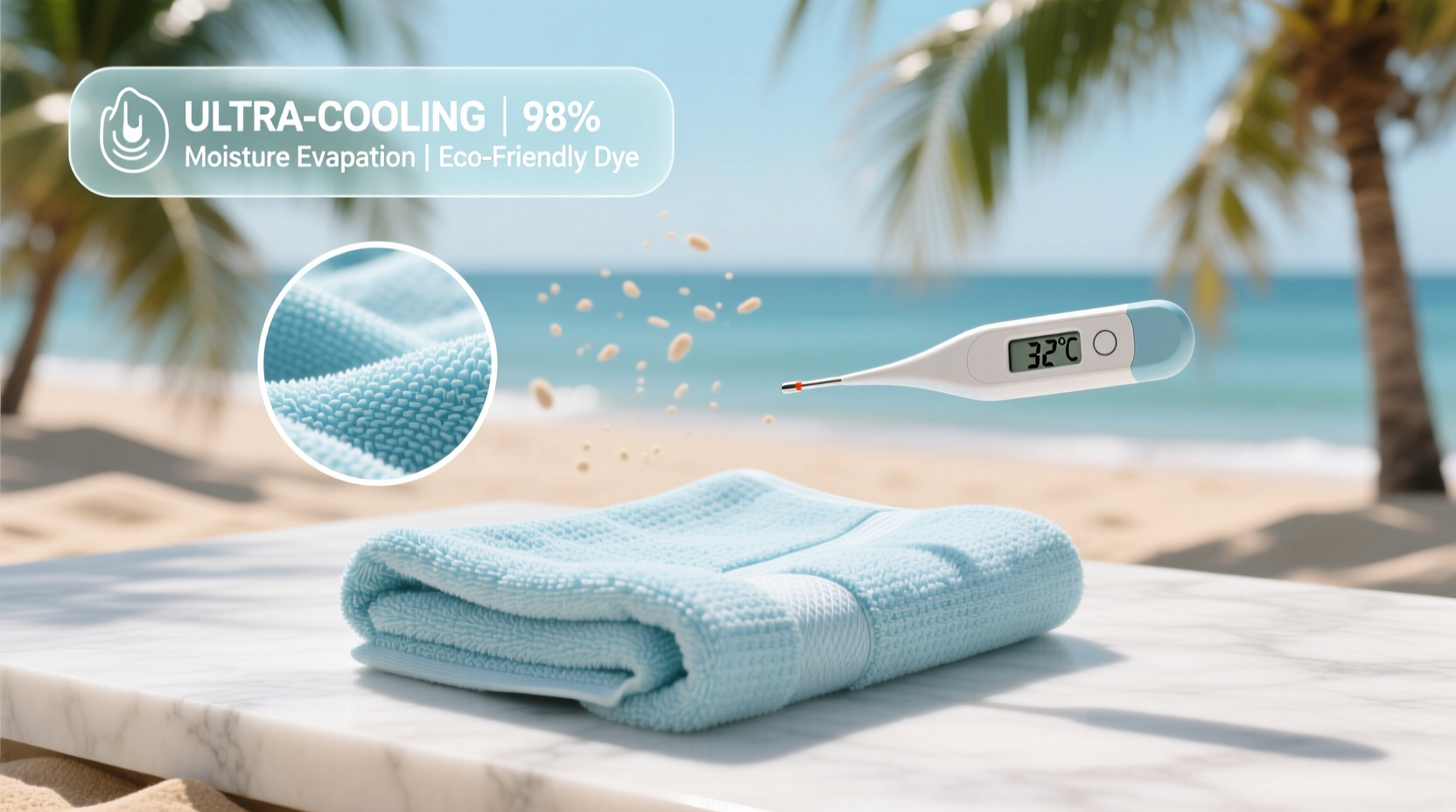
Microfiber is a synthetic fabric typically made from a blend of polyester and polyamide (nylon), woven into ultra-fine threads—often thinner than a human hair. This fine construction creates a vast surface area, allowing the material to wick moisture quickly and evaporate sweat efficiently. Unlike cotton, which retains water and can feel heavy when wet, microfiber dries rapidly and remains lightweight, reducing clamminess on the skin.
In summer, where humidity and perspiration challenge comfort, these properties become critical. A well-chosen microfiber towel can provide a cooling sensation through evaporative cooling—when moisture on the towel’s surface turns to vapor, it draws heat away from your body. The faster this process occurs, the more effective the cooling effect.
Key Factors to Consider When Choosing a Microfiber Towel
Selecting the ideal microfiber towel isn’t just about brand names or price tags. It’s about matching performance features to your lifestyle and environment. Below are the most important criteria to evaluate.
Fiber Composition and Weave Density
The ratio of polyester to polyamide affects both absorbency and softness. Towels with higher polyamide content tend to absorb more moisture but may take slightly longer to dry. A balanced blend (e.g., 80% polyester, 20% polyamide) often delivers optimal performance—high absorption with fast drying.
Weave density, measured in grams per square meter (GSM), also plays a role. For summer use, aim for 180–250 GSM: light enough to be packable yet dense enough to be durable and absorbent. Higher GSM towels (>300) are plush but heavier and slower to dry—better suited for post-shower use than outdoor cooling.
Size and Portability
For travel, gym sessions, or hiking, compactness is crucial. Full-size beach towels (around 30” x 60”) offer coverage but aren’t always practical. Consider multi-use options like 16” x 30” sports towels or foldable travel models that fit in a backpack or car console.
Some microfiber towels come with snap buttons or zippered pouches for easy carrying. These small details enhance usability, especially if you're frequently on the move.
Durability and Care Requirements
A good summer towel should withstand frequent washing without degrading. Avoid towels with loose stitching or flimsy hems. Double-stitched edges and reinforced corners signal better craftsmanship.
Care instructions matter too. Most microfiber towels should be washed in cold water without fabric softeners, which can clog fibers and reduce absorbency over time. Air drying is recommended to preserve elasticity and prevent shrinkage.
“Not all microfiber is built for performance. The best summer towels combine thinness with high capillary action—pulling moisture away from the skin and dispersing it across the fabric for quick evaporation.” — Dr. Lena Patel, Textile Scientist & Material Innovation Consultant
Comparison Table: Microfiber Towel Features by Use Case
| Use Case | Recommended Size | Ideal GSM | Key Feature |
|---|---|---|---|
| Beach or Pool | 30\" x 60\" | 200–250 | Sand-resistant, quick-dry |
| Workout / Gym | 16\" x 30\" | 180–220 | Compact, odor-resistant |
| Travel / Hiking | Packable (varies) | 170–200 | Ultra-light, compressible |
| Everyday Commute | 12\" x 24\" | 180–230 | Stylish, discreet carry |
Step-by-Step Guide: How to Test a Microfiber Towel Before Buying
Before purchasing, follow this simple evaluation process to ensure quality:
- Check the Label: Verify the polyester-polyamide ratio and GSM if listed. Avoid vague terms like “super absorbent” without technical backing.
- Feel the Texture: Run your fingers over the fabric. It should feel smooth, not rough or plasticky. High-quality microfiber has a soft, suede-like finish.
- Perform a Water Test (if possible): Drip a few drops of water on the surface. It should spread and absorb within seconds—not bead up or sit on top.
- Twist Test: Twist the dry towel tightly. It should compress easily and spring back when released, indicating good elasticity and resilience.
- Smell Check: New microfiber can have a slight chemical odor, but strong plastic smells suggest low-grade materials or poor processing.
Real-World Example: Staying Cool During a Heatwave
Sarah, a cycling instructor in Phoenix, struggled with overheating during outdoor group rides in July. Standard cotton towels soaked up sweat but stayed wet for hours, adding discomfort. After switching to a 200 GSM microfiber towel with cooling technology, she noticed an immediate difference. She would dampen the towel slightly before class, drape it around her neck, and feel a sustained cooling effect throughout the session. The towel dried completely within 15 minutes after use and fit neatly into her gym bag.
Her experience highlights how the right towel—lightweight, fast-drying, and designed for active cooling—can significantly improve thermal comfort under extreme conditions.
Essential Checklist: Choosing Your Ideal Summer Microfiber Towel
- ✅ Fabric blend: 70–80% polyester, 20–30% polyamide
- ✅ GSM between 180 and 250 for balance of lightness and absorbency
- ✅ Compact size or included storage pouch for portability
- ✅ Double-stitched seams for long-term durability
- ✅ Odor-resistant treatment (especially for gym use)
- ✅ Machine washable with clear care instructions
- ✅ Positive user feedback on drying speed and cooling effect
Frequently Asked Questions
Can microfiber towels actually cool you down?
Yes—when lightly dampened, microfiber promotes evaporative cooling. As water evaporates from the fabric, it absorbs heat from your skin, creating a refreshing drop in temperature. This effect is most noticeable in dry, breezy environments.
Are microfiber towels eco-friendly?
While microfiber is synthetic and derived from petroleum, high-quality towels last years with proper care, reducing waste compared to disposable wipes or single-use cottons. Some brands now offer recycled polyester options, improving sustainability.
How do I clean my microfiber towel to maintain performance?
Wash in cold water using mild detergent. Never use fabric softener or bleach, as they coat fibers and reduce absorbency. Tumble dry on low or air dry. Avoid washing with lint-producing fabrics like cotton to prevent fiber contamination.
Make the Smart Choice for Cooler, More Comfortable Summers
Choosing the perfect microfiber towel isn’t about picking the cheapest or flashiest option—it’s about selecting a functional tool tailored to your summer needs. Whether you're sweating through a workout, lounging under the sun, or navigating a sweltering commute, the right towel can elevate your comfort and help regulate body temperature naturally.
By focusing on material quality, design practicality, and real-world performance, you can invest in a towel that doesn’t just dry you off—but actively helps you stay cooler, longer. Don’t settle for mediocre textiles. Upgrade your summer essentials today and feel the difference precision engineering makes.




 浙公网安备
33010002000092号
浙公网安备
33010002000092号 浙B2-20120091-4
Comments
No comments yet. Why don't you start the discussion?