
A well-designed kitchen is more than just functional—it reflects personality, taste, and daily rituals. While cabinets, countertops, and appliances dominate design conversations, one small but impactful detail often goes overlooked: the humble coffee mug. More than just a vessel for morning brew, your mugs contribute to the visual rhythm of your space. Choosing the right mug isn’t just about comfort or capacity; it’s about harmony. When selected with intention, a mug can elevate your countertop aesthetic, unify color schemes, and even spark joy each time you reach for it.
Understand Your Kitchen’s Design Language
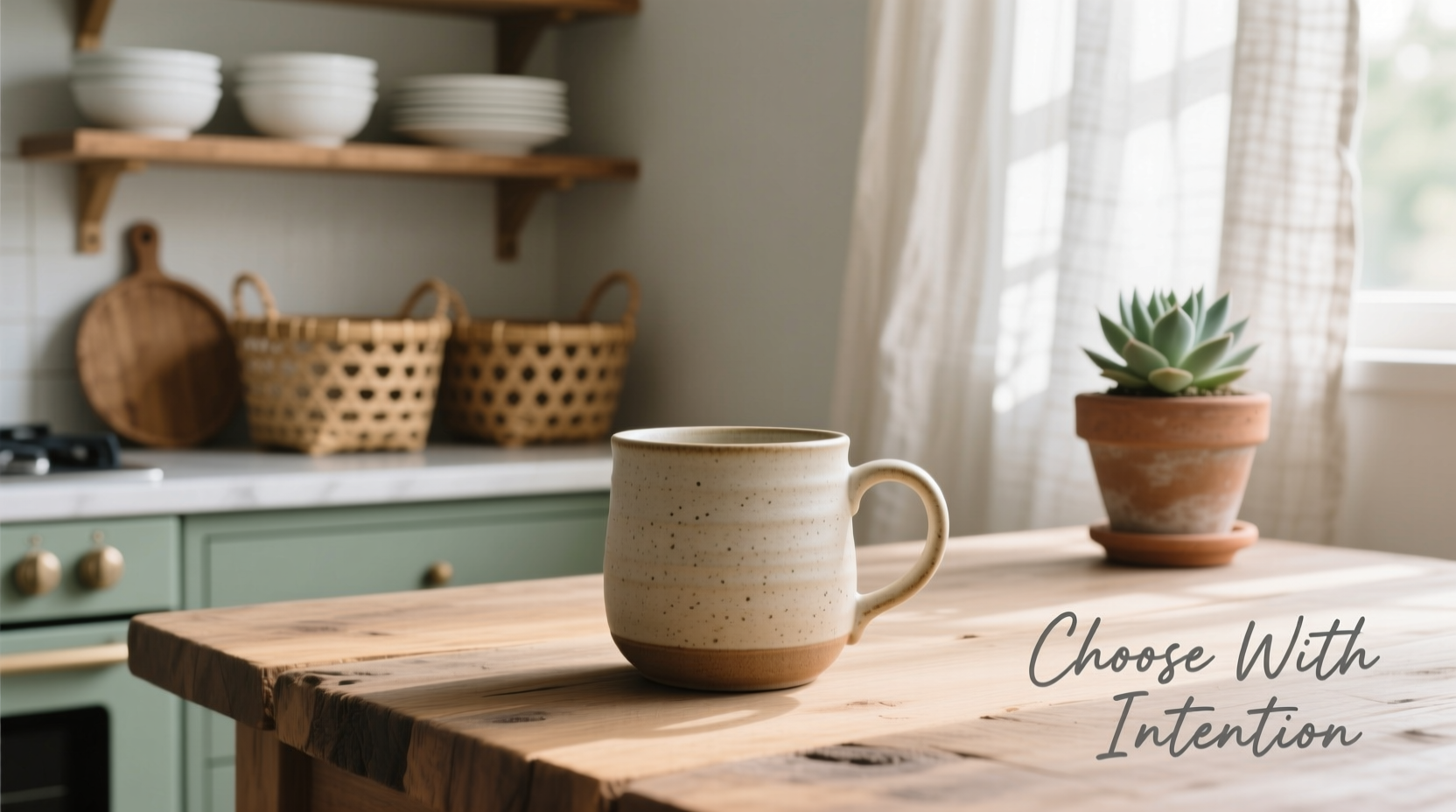
Before browsing ceramic shops or scrolling through online listings, take a step back and assess your kitchen’s overall style. Mugs should feel like a natural extension of the environment, not an afterthought. Consider these common kitchen aesthetics:
- Modern Minimalist: Clean lines, neutral tones (white, gray, black), and uncluttered surfaces. Opt for sleek, handleless mugs or those with simple geometric shapes in monochrome finishes.
- Rustic Farmhouse: Warm woods, vintage accents, and earthy textures. Choose stoneware mugs with hand-thrown imperfections, matte glazes, or muted terracotta hues.
- Scandinavian: Light woods, soft pastels, and functional beauty. Look for mugs in pale blue, sage green, or cream with subtle organic patterns or minimalist typography.
- Industrial: Exposed metals, concrete, and bold contrasts. Matte black or concrete-effect mugs with angular silhouettes work well here.
- Bohemian: Eclectic patterns, rich colors, and artisanal flair. Embrace hand-painted designs, Moroccan motifs, or mismatched sets that add character.
Matching your mug style to your kitchen’s design language ensures cohesion rather than clash.
Material Matters: Function Meets Aesthetic
The material of your mug influences both its look and usability. Each has distinct visual qualities and practical benefits:
| Material | Aesthetic Traits | Functional Pros | Considerations |
|---|---|---|---|
| Ceramic | Versatile; glossy or matte finishes, wide color range | Dishwasher-safe, retains heat moderately | Can chip if dropped |
| Stoneware | Earthy, opaque, often handcrafted appearance | Durable, excellent heat retention | Heavier; limited translucency |
| Porcelain | Elegant, smooth, often white or delicately patterned | Lightweight, non-porous, elegant | Less durable than stoneware |
| Glazed Earthenware | Vibrant colors, artisanal charm | Great for display | Potential for lead content; check safety certifications |
| Borosilicate Glass | Transparent, modern, allows visibility of contents | Heat-resistant, dishwasher-safe | Shows fingerprints; less cozy visually |
For open shelving or mug racks, stoneware and glazed ceramics make strong visual statements. For tucked-away cabinets, prioritize function—thermal insulation and ease of cleaning.
Color and Pattern: Balance and Contrast
Color psychology plays a quiet but powerful role in kitchen ambiance. A mug in the wrong shade can disrupt an otherwise harmonious palette. Start by identifying your dominant and accent colors.
If your kitchen features white cabinetry and stainless steel appliances, consider introducing warmth with rust-orange or olive-green mugs. In a moody, navy-tiled kitchen, gold-rimmed white mugs offer elegance without overwhelming.
Patterns should be used thoughtfully. Subtle stripes or dots maintain calmness; bold florals or abstract art inject energy. When mixing patterns, stick to a shared color thread—e.g., all mugs include navy, regardless of design.
“Cohesion doesn’t mean uniformity. A curated mix of textures and tones in the same family creates depth without chaos.” — Lena Torres, Interior Stylist & Home Editor at *Living Space Quarterly*
Size, Shape, and Practical Integration
A mug may look stunning on Instagram, but does it fit your cabinet shelf or microwave turntable? Measure before you buy. Standard mug heights range from 3.5 to 5 inches; diameters from 3 to 4 inches. Oversized mugs (16+ oz) are popular but may not suit smaller kitchens or standard dish racks.
Shape also affects both ergonomics and visual balance:
- Tapered mugs appear lighter and stack neatly.
- Cylindrical mugs maximize volume and project modernity.
- Curved or rounded mugs feel warmer and more inviting.
- Mugs with oversized handles are easier to grip but may protrude awkwardly when stored.
Consider how you store your mugs. Open shelving calls for aesthetically consistent sets. Closed cabinets allow for more variety since only occasional use reveals them.
Step-by-Step Guide: Selecting Your Ideal Mug
- Assess your kitchen’s primary style—identify whether it’s modern, rustic, eclectic, etc.
- Note the dominant colors and materials in countertops, cabinets, and accessories.
- Determine storage method—open shelves, closed cabinets, or hanging rack—to guide aesthetic choices.
- Decide on function-first or design-first priority. Do you need double-wall insulation for long sipping, or is visual impact paramount?
- Shortlist 3–5 mugs that align with your criteria. Compare them side-by-side in natural light.
- Test for comfort: Hold each mug. Does the handle fit your hand? Is the weight balanced?
- Purchase one first, live with it for a week, then expand into a set if it feels right.
Real-Life Example: Transforming a Transitional Kitchen
Sophie, a graphic designer in Portland, had a transitional kitchen—white shaker cabinets, quartz counters, and brushed nickel hardware. She loved her space but felt it lacked warmth. Her old mugs were mismatched discount-store finds in clashing colors.
She decided to revamp her collection around a cohesive theme: “modern earth tones.” She chose a set of four matte stoneware mugs in warm taupe, each with a subtly ribbed texture. The finish echoed her linen curtains and wooden spoon holder. She displayed them on a floating oak shelf beside her kettle.
The result? Instant cohesion. The mugs didn’t shout for attention but quietly anchored the space. Guests often complimented the “intentional” feel of her kitchen. Sophie found herself enjoying her morning tea more—not just for the ritual, but for the beauty of the cup in her hands.
Checklist: Before You Buy Your Next Mug
- ✅ Matches my kitchen’s dominant color scheme
- ✅ Complements the material aesthetic (e.g., ceramic in a modern kitchen)
- ✅ Fits comfortably in my hand and typical storage space
- ✅ Is microwave and dishwasher safe (if needed)
- ✅ Made from food-safe, non-toxic glaze (especially important for handmade pieces)
- ✅ Feels durable and well-balanced when held
- ✅ Aligns with either a curated set or intentional eclecticism
Frequently Asked Questions
Can I mix different mug styles in the same kitchen?
Yes—but with intention. A haphazard mix looks cluttered; a curated blend adds character. Stick to a unified color palette or material base (e.g., all ceramic, varying shapes). Limit wild variations to one or two statement pieces.
Are handmade mugs suitable for everyday use?
Many are, but check craftsmanship. High-fired stoneware from reputable artisans is durable and safe. Avoid using delicate, low-fired pottery for daily coffee unless it’s purely decorative. Always confirm it’s labeled “food-safe” and “dishwasher-safe” if intended for regular use.
How many mugs should I own for both function and style?
Aim for 4–6 everyday mugs per person, depending on household size and usage. Include 2–3 special occasion or guest mugs for variety. This allows rotation, reduces wear, and supports stylistic flexibility.
Final Thoughts: Elevate the Everyday
Choosing the perfect mug isn’t about perfection—it’s about presence. It’s recognizing that even the smallest object, when chosen with care, contributes to the soul of your home. A mug that fits your hand, flatters your countertop, and delights your eye turns routine into ritual.
Your kitchen deserves details that reflect your taste. Whether you’re drawn to Scandinavian simplicity or bohemian vibrancy, let your mugs be an expression of that vision. Start small. Pick one piece that resonates. Build from there.




 浙公网安备
33010002000092号
浙公网安备
33010002000092号 浙B2-20120091-4
Comments
No comments yet. Why don't you start the discussion?