
In homes, workplaces, and public areas, slips and falls remain a leading cause of injury. A well-chosen non-slip floor mat can significantly reduce this risk while enhancing comfort and protecting flooring. However, not all mats are created equal. Selecting the right one involves more than just picking the first rubber-backed option you see. The ideal mat must balance grip, material quality, environmental suitability, and long-term wear resistance. Understanding what makes a floor mat truly effective ensures both immediate safety and lasting value.
Understand the Types of Non-Slip Materials
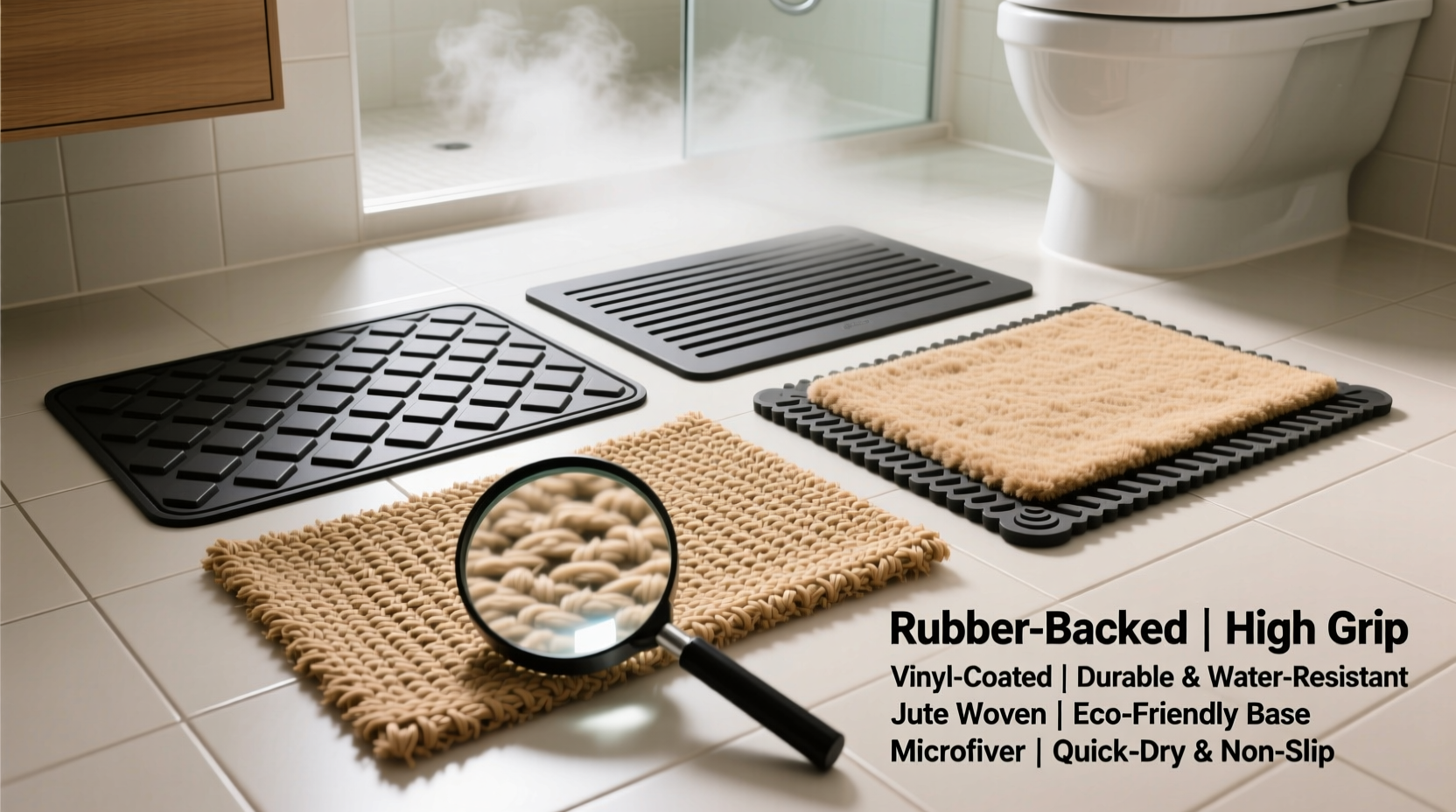
The foundation of any reliable non-slip mat lies in its material composition. Different materials offer varying levels of traction, water resistance, and longevity. Knowing which type suits your environment is essential.
- Rubber: Natural or synthetic rubber provides excellent grip on hard surfaces like tile, vinyl, and hardwood. It’s durable, water-resistant, and commonly used in kitchens and bathrooms.
- PVC (Polyvinyl Chloride): Lightweight and affordable, PVC mats resist moisture and are often found in entryways. However, they may degrade under prolonged UV exposure or extreme temperatures.
- Coir (Coconut Fiber): Ideal for outdoor or entry mats, coir absorbs moisture and scrapes dirt from shoes. While less flexible indoors, it’s highly effective at trapping debris before it reaches interior floors.
- Nylon and Polyester: Often used in looped or tufted mats, these synthetic fibers resist abrasion and retain color well. When backed with rubber, they provide both comfort and stability.
- Memory Foam with Anti-Slip Base: Popular in bathrooms and laundry rooms, these mats offer cushioning and fatigue relief. Ensure the base is fully coated rubber to prevent shifting.
Assess Your Environment and Usage Needs
A mat that performs well in a dry hallway may fail in a steamy kitchen. Consider where the mat will be placed and what kind of traffic it will endure.
High-moisture areas such as bathrooms, pool decks, and commercial kitchens demand mats with superior drainage and quick-drying properties. Look for perforated surfaces or grooved patterns that channel water away. In contrast, entryways benefit from scraper-style mats made of coir or bristle materials that remove dirt and grit.
Traffic volume also matters. Residential bathrooms might only need a small memory foam pad, while a restaurant kitchen requires heavy-duty rubber mats capable of withstanding constant foot traffic, rolling carts, and dropped utensils.
“Flooring safety isn’t just about preventing falls—it’s about matching the right product to the specific hazards of the space.” — Dr. Linda Tran, Occupational Safety Consultant
Key Features That Ensure Durability and Safety
Beyond material, several design elements determine how safe and long-lasting a mat will be.
| Feature | Why It Matters | What to Look For |
|---|---|---|
| Grip Pattern | Increases surface friction to prevent slipping | Diamond tread, raised nodules, or directional ridges |
| Edge Binding | Prevents fraying and tripping hazards | Reinforced vinyl or stitched borders |
| Drainage Capability | Reduces pooling water and bacterial growth | Perforations or open-cell structures |
| Chemical Resistance | Essential in industrial or food service settings | Mats labeled oil-, grease-, and solvent-resistant |
| Thickness & Cushioning | Improves comfort during prolonged standing | 6–15 mm for residential; 12–25 mm for commercial |
Real-World Example: Preventing Slips in a Busy Café Kitchen
A local café experienced multiple near-falls due to wet tiles behind the espresso bar. Staff were rushing during peak hours, and spills happened frequently. Management initially used thin PVC mats, but they curled at the edges and slid when wet. After consulting a safety supplier, they switched to interlocking rubber mats with drainage holes and beveled edges. Within a month, incident reports dropped to zero. The new mats stayed flat, drained quickly, and could be hosed down daily without damage. This case highlights how proper material selection directly impacts real-world safety outcomes.
Step-by-Step Guide to Choosing the Right Mat
Selecting the best non-slip mat doesn’t have to be overwhelming. Follow this practical process:
- Identify the Location: Is it indoors or outdoors? High-moisture or dry? High-traffic or low-use?
- Evaluate Hazards: Water, oil, grease, dust, or frequent foot traffic? Choose a mat designed to handle those conditions.
- Measure the Space: Ensure full coverage of the hazard zone. Leave at least 2 feet beyond door swings or workstations.
- Check Backing Type: Full rubber backing is non-negotiable for safety. Avoid mats with adhesive strips or partial grips.
- Test for Stability: If possible, press down on corners and simulate foot pressure. The mat should not shift or wrinkle.
- Review Maintenance Requirements: Can it be hosed down? Machine washed? Wipe-clean only? Choose based on your cleaning capacity.
- Verify Certifications: Look for ANSI/BHMA A156.13 or similar standards indicating slip-resistance testing.
Frequently Asked Questions
Can I use a non-slip mat on carpet?
Yes, but only if the mat is specifically designed for carpeted surfaces. These typically have a softer, textured backing that grips without damaging fibers. Avoid hard rubber mats on carpet—they can cause discoloration or piling.
How do I clean and maintain my non-slip mat?
Routine maintenance depends on the material. Rubber and PVC mats can usually be rinsed with water and mild detergent. Fabric-backed or memory foam mats may require spot-cleaning or machine washing (if labeled safe). Always allow mats to dry completely before reuse to prevent mold and odor.
Do non-slip mats really make a difference in fall prevention?
According to the National Floor Safety Institute, over 1 million slip-and-fall accidents occur annually in the U.S., many on wet or polished floors. Properly installed non-slip mats can reduce these incidents by up to 70% in controlled environments.
Final Checklist Before You Buy
- ✅ Measured the area accurately
- ✅ Identified primary hazards (water, oil, traffic)
- ✅ Selected appropriate material (rubber, coir, etc.)
- ✅ Confirmed full anti-slip backing
- ✅ Checked for reinforced edges
- ✅ Verified ease of cleaning
- ✅ Reviewed manufacturer warranty or durability claims
Take Action for Safer Floors Today
Safety begins with awareness—and continues with action. Whether you're safeguarding a child’s bathroom, equipping a commercial kitchen, or protecting elderly parents at home, choosing the right non-slip floor mat is a simple step with profound impact. Don’t wait for an accident to happen. Evaluate your spaces, apply the guidelines above, and invest in mats that deliver both security and resilience. Your feet—and everyone who walks through your doors—will thank you.




 浙公网安备
33010002000092号
浙公网安备
33010002000092号 浙B2-20120091-4
Comments
No comments yet. Why don't you start the discussion?