
Selecting the right pen bag or pencil case is more than just a matter of aesthetics—it’s about function, durability, and daily convenience. For students, artists, or professionals carrying essential tools, the wrong choice can lead to disorganization, damaged supplies, or unnecessary clutter. The ideal case supports your workflow, protects your instruments, and fits seamlessly into your lifestyle. With countless materials, sizes, and designs on the market, making an informed decision requires clarity on what truly matters.
Assess Your Needs Before You Buy
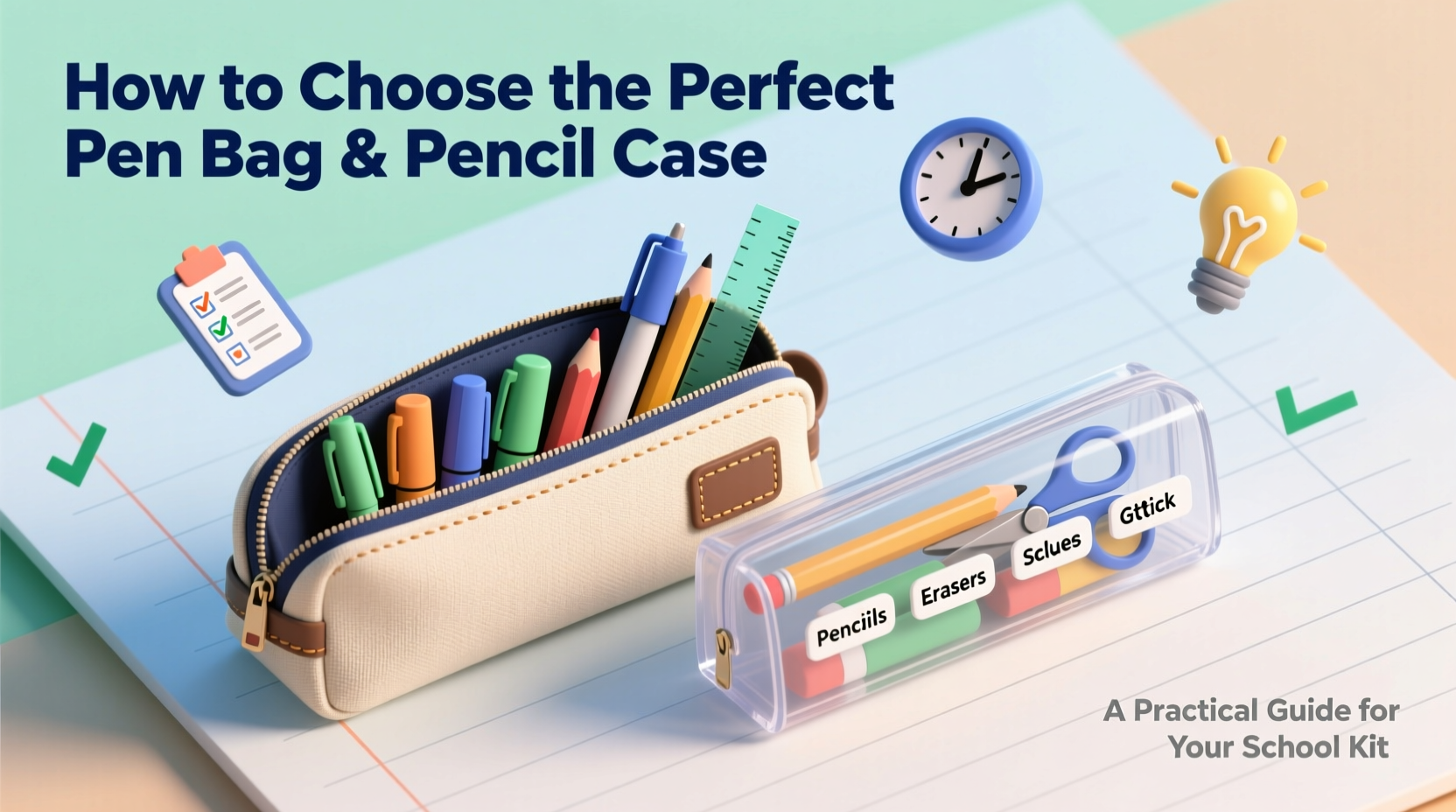
The first step in choosing the right pencil case isn’t browsing online stores or visiting stationery shops—it’s understanding how you use your writing tools. A high school student juggling multiple subjects has different needs than an architecture student carrying fine liners and mechanical pencils. Consider the following:
- Volume of supplies: Do you carry ten pens and a few erasers, or do you need space for rulers, highlighters, compasses, and correction tape?
- Frequency of access: Will you be opening your case dozens of times a day, or just once during class?
- Portability: Does it need to fit inside a slim backpack, or will it sit in a locker or desk?
- Environment: Is your bag tossed around between classes, exposed to moisture, or stored in a humid climate?
Answering these questions helps narrow down size, structure, and material preferences before you even look at product listings.
Compare Materials: Durability vs. Weight
Material choice affects longevity, protection, and comfort. Each option comes with trade-offs that should align with your usage pattern.
| Material | Pros | Cons | Best For |
|---|---|---|---|
| Fabric (Cotton/Polyester) | Lightweight, affordable, wide design variety | Less protective, prone to stains and wear | Daily school use, younger students |
| Leather/Faux Leather | Durable, professional look, resists spills | Heavier, higher cost, may crack over time | Older students, art majors, long-term use |
| Plastic/Rigid Plastic | High protection, easy to clean, water-resistant | Bulky, less flexible, can break if dropped | Art supplies, technical tools, lab environments |
| Mesh/Transparent Panels | Visibility of contents, lightweight | Limited structure, less durable | Quick-access needs, exam kits |
If you're frequently moving between classrooms, a soft fabric roll might offer better portability. For engineering or art students using delicate drafting tools, a hard-shell plastic case provides necessary impact resistance.
“Students who match their pencil case to their actual workload report higher organization and fewer lost items.” — Dr. Lila Nguyen, Educational Psychologist, University of Toronto
Design Features That Make a Difference
It’s not just about what the case is made of—it’s how it’s designed. Small details can dramatically improve usability.
Zippers vs. Snap Closures
Zippers offer full closure and security but can snag or jam. Snap buttons are faster to open but risk popping open if overstuffed. Magnetic closures strike a balance—smooth access with reliable hold.
Interior Organization
Look for cases with:
- Multiples compartments for separating pens, pencils, and small tools
- Elastic loops or mesh pockets for holding erasers and sharpeners
- A flat bottom or structured base so the case stands upright when open
Size and Shape
Cylindrical cases fit well in backpack side pockets. Rectangular ones maximize space efficiency in book bags. Slim cases slide easily into folders or laptop sleeves. Measure your most-used notebook or bag compartment to ensure compatibility.
Real-World Example: Maya’s Transition to High School
Maya, a ninth-grader entering a STEM-focused program, used a small zipper pouch in middle school. But her new schedule required separate supplies for biology, calculus, and robotics. Her old case couldn’t hold a protractor, three types of pens, and colored pencils—all while fitting in her slim messenger bag.
She upgraded to a two-tiered fabric case with a rigid interior frame and labeled sections. One side held everyday writing tools; the other had slots for specialty items like mechanical pencils and fine-tip markers. The result? Fewer forgotten supplies, quicker transitions between classes, and no more digging through her backpack during quizzes.
This shift wasn’t about buying something fancier—it was about matching form to function as her academic demands evolved.
Step-by-Step Guide to Choosing Your Ideal Pencil Case
- Inventory your tools: Lay out everything you use regularly.
- Measure your storage space: Check the dimensions of your backpack pocket or desk drawer.
- Determine access frequency: Decide if you need quick-open access or secure closure.
- Pick a material: Balance durability, weight, and budget based on your environment.
- Test the layout: If possible, place your tools inside sample cases to assess fit and accessibility.
- Check for extras: Look for features like wrist straps, key hooks, or washable linings.
- Read reviews: Focus on feedback about zipper strength, stitching quality, and long-term wear.
Common Mistakes to Avoid
- Overbuying capacity: A case that’s too big becomes a junk drawer.
- Ignoring closure type: Flimsy zippers or weak snaps lead to spilled pens.
- Choosing style over substance: Glitter and logos fade, but poor construction ruins functionality fast.
- Forgetting maintenance: Fabric cases need occasional spot-cleaning; leather benefits from conditioning.
Essential Checklist Before Purchase
- ✅ Holds all essential tools without overcrowding
- ✅ Fits comfortably in your main bag or designated compartment
- ✅ Made from durable, easy-to-clean material
- ✅ Features secure closure and internal organization
- ✅ Lightweight enough to carry daily without strain
- ✅ Has positive user reviews for long-term reliability
FAQ: Common Questions About Pencil Cases
Can I use a makeup bag as a pencil case?
Yes, if it meets your organizational needs. Many makeup bags have clear compartments and sturdy zippers, making them excellent dual-purpose organizers. Just ensure the lining is wipeable and the structure holds up under the weight of metal tools.
How do I clean my pencil case?
For fabric cases, remove all contents and hand-wash with mild soap and cold water. Air dry completely. Wipe plastic or faux leather cases with a damp cloth and mild cleaner. Never machine-wash unless the label explicitly allows it.
Are eco-friendly pencil cases worth it?
Yes—cases made from recycled PET, organic cotton, or cork offer sustainable alternatives without sacrificing quality. Many eco-brands also emphasize ethical production and long-term durability, reducing waste over time.
Final Thoughts: Choose Smart, Stay Organized
The perfect pen bag or pencil case isn’t defined by brand names or trending designs—it’s defined by how well it serves your daily routine. A thoughtful choice saves time, reduces stress, and protects your investment in quality stationery. Whether you’re starting a new semester or replacing a worn-out case, take a moment to evaluate your real needs, not just your impulses.
Organization begins with intention. By applying these principles—assessing needs, comparing materials, prioritizing function, and avoiding common pitfalls—you’ll find a case that doesn’t just store your tools, but enhances how you use them.




 浙公网安备
33010002000092号
浙公网安备
33010002000092号 浙B2-20120091-4
Comments
No comments yet. Why don't you start the discussion?