
In Nordic interior design, simplicity, functionality, and natural harmony define every choice—from furniture silhouettes to textile textures. The pillow, though small in footprint, plays a pivotal role in both comfort and aesthetic cohesion. More than just a decorative accent or sleep aid, the right pillow can elevate the calm, uncluttered atmosphere central to Scandinavian living spaces. Choosing one that aligns with Nordic principles means balancing form, function, and material integrity. This guide walks through the essential considerations for selecting a pillow that not only supports restful sleep but also integrates seamlessly into a Nordic-inspired home.
Understanding Nordic Style: Less Is More
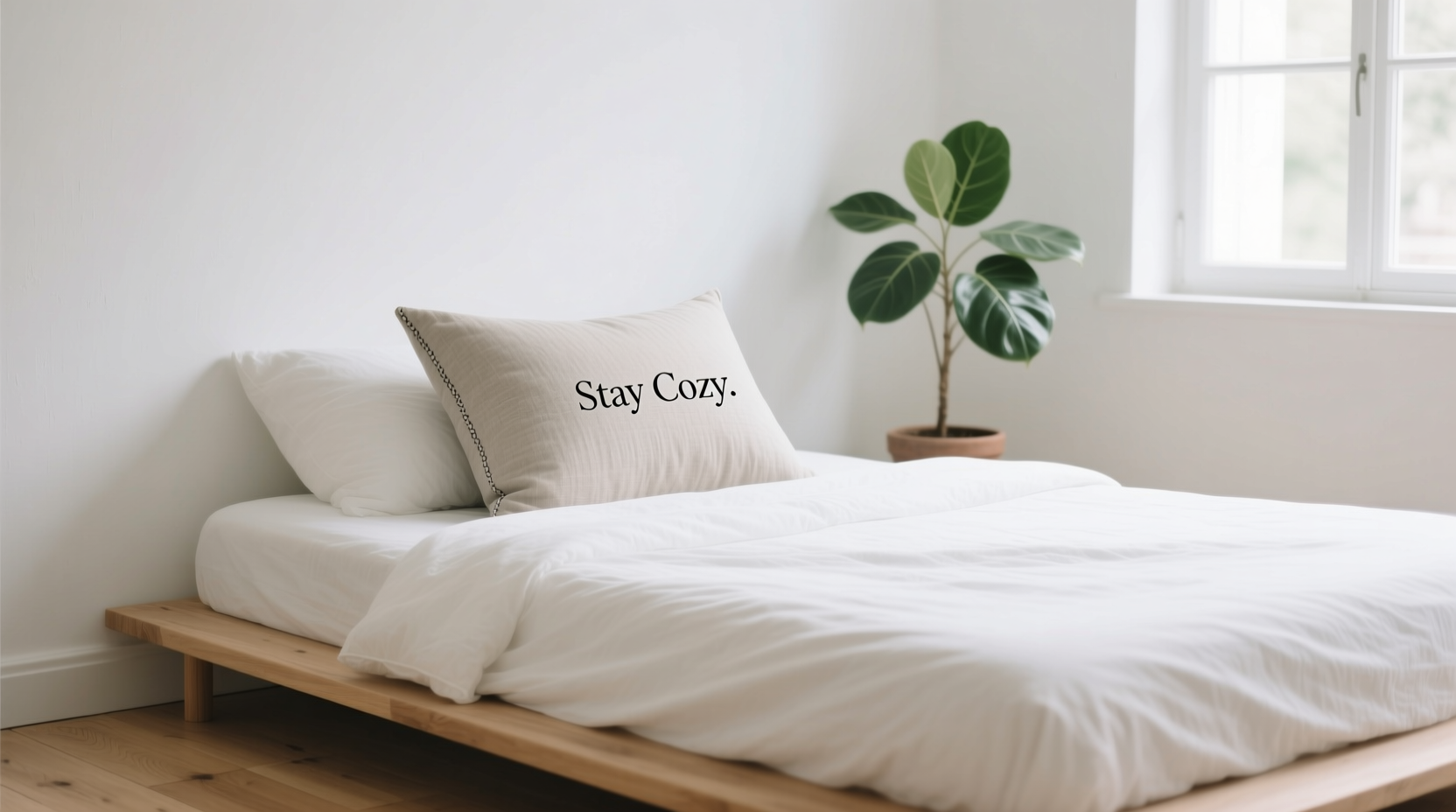
Nordic design originates from countries like Sweden, Denmark, Norway, and Finland, where long winters and limited daylight have shaped interiors focused on warmth, light, and serenity. Key characteristics include neutral color palettes—whites, grays, soft beiges, and muted earth tones—paired with clean lines, organic materials, and purposeful minimalism. Textiles are chosen for texture and tactility rather than bold patterns. When selecting a pillow, these principles should guide every decision: prioritize quality over quantity, embrace natural fibers, and favor subtle visual interest through weave, tone, and proportion.
Material Matters: Natural Fibers for Authenticity
The foundation of any Nordic-compliant pillow lies in its materials. Synthetic fabrics may offer affordability, but they clash with the ethos of sustainability and tactile authenticity that defines this aesthetic. Instead, focus on breathable, renewable, and biodegradable textiles.
- Linen: Highly prized in Scandinavian homes, linen offers a slightly textured surface that adds depth without visual noise. It softens with use and ages gracefully, developing a lived-in charm.
- Cotton (especially organic): A staple for Nordic bedding, cotton provides a smooth yet matte finish. Look for tightly woven, medium-weight cotton for durability and breathability.
- Wool (merino or lambswool): Ideal for colder climates, wool fillings regulate temperature naturally and resist dust mites—aligning perfectly with Nordic wellness values.
- Duck or Goose Down (responsibly sourced): For loft and softness, down remains a favorite—but ensure ethical sourcing and consider down alternatives made from recycled fibers for a cruelty-free option.
“Scandinavian design doesn’t just look good—it feels good. The materials you touch daily should connect you to nature, not distance you from it.” — Lars Malmström, Interior Designer & Nordic Design Advocate
Selecting the Right Color and Texture Palette
Nordic interiors thrive on tonal layering. Rather than relying on vibrant hues, they build visual interest through variations in light, shade, and texture. Your pillow should reflect this subtlety.
Stick to a base palette of white, ivory, oat, or dove gray. Introduce contrast through textural differences—a nubby bouclé pillow next to a flat-woven linen one, or a softly quilted cover layered over a smooth cotton duvet. Avoid glossy finishes or synthetic sheens; matte surfaces absorb light gently, enhancing the serene ambiance.
If introducing color, do so sparingly and within nature-inspired ranges: moss green, slate blue, or charcoal gray. These tones echo forests, fjords, and volcanic rock, grounding the space in regional authenticity.
| Color Choice | Suitability for Nordic Decor | Recommended Pairings |
|---|---|---|
| White / Oat | Excellent – foundational neutral | Linen sheets, wooden bed frame, wool throw |
| Soft Gray | Excellent – adds depth | Black metal accents, concrete lamps, sheepskin rug |
| Moss Green | Good – seasonal accent | Indoor plants, ceramic vases, birch furniture |
| Bright Red | Poor – too bold | Avoid unless used as a tiny accent elsewhere |
Shape, Size, and Arrangement: Function Meets Form
In Nordic bedrooms and living areas, pillows are arranged with deliberate asymmetry. Unlike maximalist styles that stack multiple bold cushions, Nordic setups often feature one or two carefully placed pillows that serve both comfort and composition.
For beds, a standard Euro sham (26” x 26”) in white linen paired with a single lumbar pillow in a textured weave creates balance. On sofas, opt for square pillows (18” x 18”) or elongated lumbar versions (20” x 12”) that support posture while maintaining clean sightlines.
Arrangement tip: Place pillows at slight angles rather than perfectly aligned. This introduces gentle movement without clutter. Never overcrowd—two to three pillows per seating area is sufficient.
Mini Case Study: Emma’s Copenhagen-Inspired Bedroom
Emma, a graphic designer in Portland, wanted to transform her bedroom into a calming retreat inspired by her travels in Denmark. She started with a white oak platform bed and bleached linen sheets. Her initial pillow selection included a bright turquoise velvet cushion and a sequined throw pillow—both felt out of place.
After researching Nordic principles, she replaced them with two 20” x 20” pillows: one in undyed organic cotton with hand-stitched detailing, the other in dark gray wool with a subtle herringbone weave. She added a single beige knitted pillow at the foot of the bed for texture. The result? A cohesive, restful space that felt curated, not crowded. “It’s amazing how much difference two quiet pillows made,” she said. “Now my room feels like a deep breath.”
Step-by-Step Guide to Choosing Your Nordic Pillow
- Assess your existing color scheme. Identify dominant neutrals and any accent tones already present in your bedding or upholstery.
- Determine primary function. Is the pillow for sleeping, lounging, or decoration? This affects firmness and filling choice. <3> Select natural fabric. Choose linen, cotton, wool, or a blend. Avoid polyester or acrylic unless it’s a minor component.
- Pick a muted, earth-toned color. Stick to whites, grays, taupes, or soft greens/blues if desired.
- Evaluate texture contrast. Ensure the pillow adds tactile variety without disrupting visual calm.
- Limit quantity. Follow the “less is more” rule—curate, don’t accumulate.
- Check ethical sourcing. Look for OEKO-TEX, GOTS, or Fair Trade certifications when possible.
Frequently Asked Questions
Can I use patterned pillows in Nordic decor?
Minimal patterns are acceptable if they’re subtle—think fine stripes, geometric grids in monochrome, or folk-inspired motifs in restrained colors. However, solid colors with rich texture are preferred. If using a pattern, limit it to one pillow and keep the rest plain.
What pillow filling is most Nordic-friendly?
Natural fillings like down, feathers, wool, or kapok align best with Nordic values of sustainability and comfort. Wool is especially favored for its moisture-wicking and hypoallergenic properties. For vegans, organic cotton or recycled fiber fills are excellent alternatives.
How do I care for Nordic-style pillows?
Follow manufacturer instructions, but generally, washable cotton and linen covers should be cleaned on gentle cycles with mild, eco-friendly detergent. Air dry when possible to preserve fibers. Down and wool pillows may require professional cleaning. Always store in breathable cotton bags, not plastic, to prevent mildew.
Final Checklist Before You Buy
- ✅ Made from natural, sustainable materials
- ✅ Neutral or nature-inspired color palette
- ✅ Matte, textured finish (no shine)
- ✅ Ethically produced and certified (if possible)
- ✅ Proportionate to furniture size
- ✅ Limited to 1–3 pillows per seating/bed area
- ✅ Serves a clear purpose (sleep, support, or subtle accent)
Conclusion: Harmony in Every Detail
The perfect pillow in a Nordic-style home isn’t about luxury branding or fleeting trends—it’s about intentionality. It should feel soft under your cheek at night, enhance the quiet elegance of your space, and reflect a deeper respect for craftsmanship and nature. By choosing pillows rooted in simplicity, quality, and environmental mindfulness, you don’t just decorate—you cultivate calm. Start small: replace one synthetic pillow with a linen-covered, wool-filled alternative. Feel the difference. See how it shifts the energy of the room. Then let that mindful approach extend to every corner of your home.




 浙公网安备
33010002000092号
浙公网安备
33010002000092号 浙B2-20120091-4
Comments
No comments yet. Why don't you start the discussion?