
Selecting where to live is one of the most consequential decisions you’ll make. It affects your daily routine, financial health, career trajectory, mental well-being, and personal relationships. Yet many people move based on emotion, convenience, or limited research—only to regret it months later. The key to finding your ideal location lies in a structured, intentional approach that aligns your environment with your values, needs, and long-term vision.
This guide walks you through the essential factors to consider, from cost of living to community culture, and provides actionable steps to evaluate and compare potential homes across cities or neighborhoods.
Evaluate Your Lifestyle Priorities
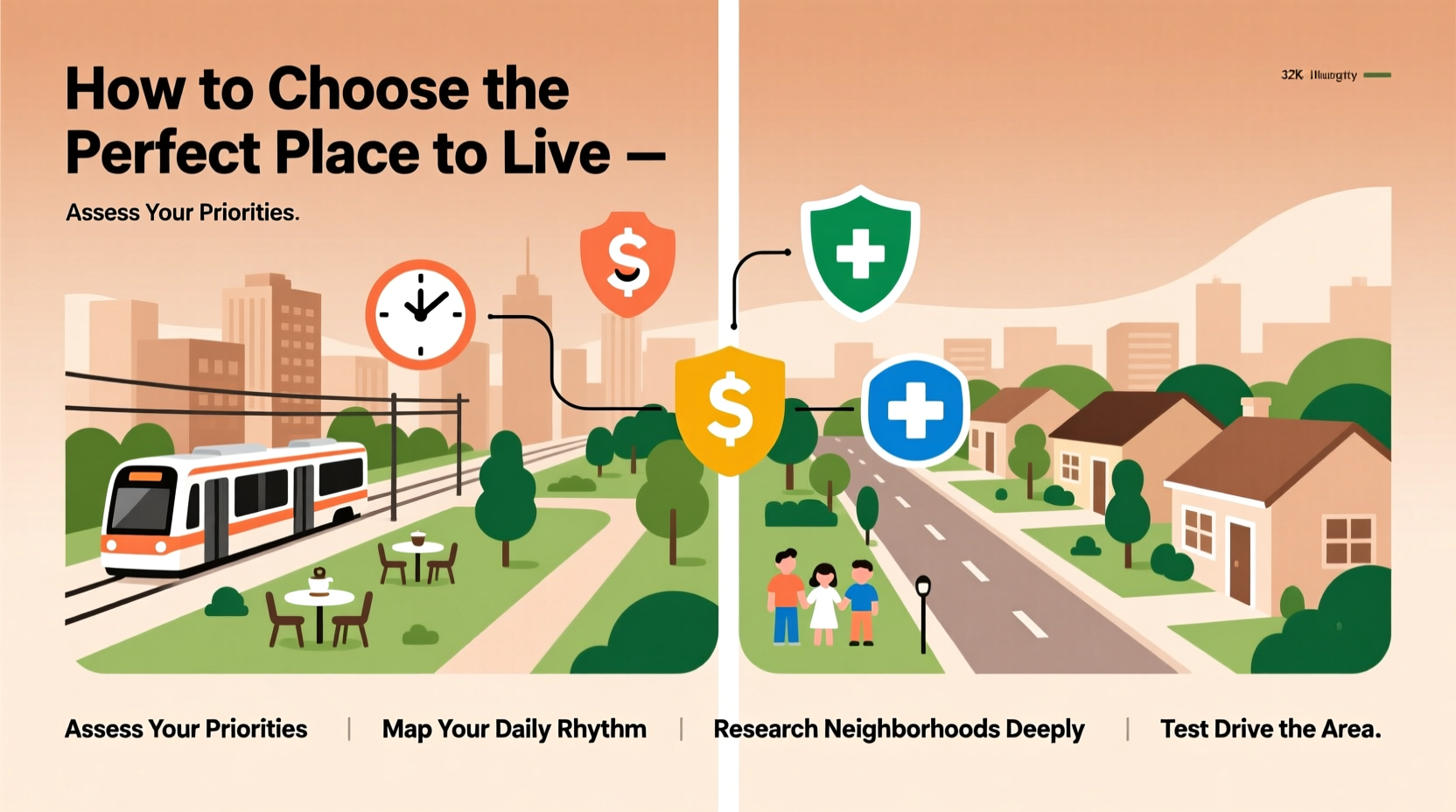
Your ideal place to live should reflect how you want to live—not just what’s available. Start by defining your non-negotiables. Are you someone who thrives in a bustling urban center with walkable amenities and cultural events? Or do you prefer quiet mornings, outdoor access, and a slower pace?
Consider these core lifestyle dimensions:
- Mobility: Do you rely on public transit, drive, bike, or walk?
- Social life: How important are cafes, nightlife, community centers, or proximity to friends and family?
- Nature access: Are parks, hiking trails, lakes, or beaches part of your ideal weekend?
- Work setup: Are you remote, hybrid, or required to commute regularly?
- Family needs: Do you have children—or plan to? School quality, playgrounds, and neighborhood safety become critical.
Analyze Cost of Living vs. Income Potential
A beautiful town won’t feel ideal if you’re constantly stressed about money. Compare income opportunities against local expenses using real data.
Use tools like the U.S. Bureau of Economic Analysis (BEA) calculator, Numbeo, or Bankrate’s cost-of-living estimator to benchmark housing, groceries, utilities, healthcare, and transportation costs. Don’t forget taxes—some states have no income tax, while others impose high property rates.
| City | Avg. Rent (1BR) | Median Household Income | Sales Tax | Income Tax |
|---|---|---|---|---|
| Austin, TX | $1,750 | $83,000 | 8.25% | 0% |
| Pittsburgh, PA | $1,100 | $62,000 | 6% | 3.07% |
| Portland, OR | $1,900 | $75,000 | 0% | 9.9% |
While Austin offers no income tax, its rent has surged. Portland has high income taxes but strong public services. Pittsburgh balances affordability with lower income—but may offer fewer remote job networks.
“Location isn’t just about housing cost—it’s about net disposable income after essentials. That determines long-term comfort.” — Dr. Lena Torres, Urban Economist at Brookings Institution
Assess Safety, Schools, and Infrastructure
No amount of charm compensates for poor infrastructure or safety concerns. Dig into objective metrics:
- Crime rates: Check local police department reports or sites like NeighborhoodScout and CrimeMapping.
- School ratings: GreatSchools.org or Niche.com provide K–12 evaluations—even if you don’t have kids, good schools indicate community investment.
- Healthcare access: Proximity to hospitals, clinics, and specialists matters for emergencies and chronic care.
- Public services: Reliable trash pickup, snow removal, internet speed, and road maintenance affect daily life more than you think.
Also consider future resilience. Is the area prone to flooding, wildfires, or extreme heat? Climate risk platforms like First Street Foundation can project long-term environmental threats.
Mini Case Study: Choosing Between Two Cities
Julia, a freelance graphic designer, narrowed her options to Asheville, NC, and Madison, WI. Both had vibrant arts scenes and strong internet for remote work. Asheville offered warmer weather and mountain views; Madison had excellent public schools and bike lanes.
She created a weighted scoring system: 30% for cost of living, 25% for climate, 20% for creative community, 15% for healthcare access, and 10% for future climate risk. Madison scored higher due to stable infrastructure and lower flood risk, despite colder winters. Julia visited both for a week each and ultimately chose Madison—citing better sidewalks, library programs, and a stronger sense of civic engagement.
Test the Waters Before Committing
You wouldn’t buy a car without a test drive. Why move without experiencing the place firsthand?
Follow this timeline to minimize risk:
- Research online (Week 1–2): Use Google Earth, YouTube vlogs, and local Facebook groups to get a feel for neighborhoods.
- Visit for 3–7 days (Week 3–4): Stay in a short-term rental. Visit during morning rush hour, walk around at night, and chat with locals at coffee shops.
- Simulate daily life (Optional): Work remotely from the location for a week using a co-working space.
- Revisit in different seasons: A sunny spring visit won’t reveal winter isolation or summer humidity.
- Secure housing: Only sign a lease or purchase after completing steps 1–4.
Checklist: Key Questions Before You Move
Before finalizing any decision, answer these questions honestly:
- Can I afford rent/mortgage + utilities + food + transportation on my current or projected income?
- Is the commute to work (or co-working space) manageable—by car, transit, or bike?
- Are there grocery stores, pharmacies, and medical facilities within 15 minutes?
- Does the neighborhood feel safe during the day and night?
- Do I see people like me—age group, interests, family status—in public spaces?
- Is the internet reliable? (Run a speed test if possible.)
- Are there opportunities to meet people—clubs, volunteer groups, classes?
- What happens here in winter/summer/flood season?
- Is the local government responsive? (Check social media or city council minutes.)
- Does this place support my long-term goals—career growth, retirement, family planning?
Frequently Asked Questions
How do I choose between a city apartment and a suburban home?
Ask yourself: Do you value convenience and walkability over space and quiet? Apartments often mean less maintenance and more amenities, while suburbs offer yards, lower density, and potentially better schools. Consider trying both via short-term rentals before deciding.
Is it worth moving for a lower cost of living if job opportunities are limited?
Only if you have a remote job, savings, or a clear path to local income. Research gig economy options, freelancing demand, or small business viability in the area. A low cost of living means little if you can’t generate income.
Should I prioritize affordability now or long-term appreciation?
Balance both. Extremely cheap areas may lack infrastructure or face economic decline. Look for emerging neighborhoods with planned development, transit expansion, or university presence—they often appreciate steadily without immediate price spikes.
Take Action With Confidence
Finding the perfect place to live isn’t about chasing perfection—it’s about alignment. When your environment supports your health, finances, relationships, and ambitions, you gain energy, clarity, and stability. Use this guide not as a rigid formula, but as a framework to clarify what matters most to you.
Start today: List your top five priorities, research three locations that match, and plan a visit to one within the next 60 days. Small, deliberate steps lead to transformative outcomes. Your ideal home isn’t just a place on a map—it’s a foundation for the life you want to build.




 浙公网安备
33010002000092号
浙公网安备
33010002000092号 浙B2-20120091-4
Comments
No comments yet. Why don't you start the discussion?