
For athletes, outdoor enthusiasts, and fitness-focused individuals, the right eyewear does more than protect from the sun—it enhances performance, reduces distractions, and improves safety. Polarized Bluetooth sunglasses combine advanced optical technology with wireless audio, offering a seamless experience during runs, rides, hikes, and training sessions. But not all models deliver equal value. Choosing the right pair requires understanding lens quality, frame ergonomics, audio fidelity, and durability under real-world conditions.
Why Polarized Lenses Matter in Sports
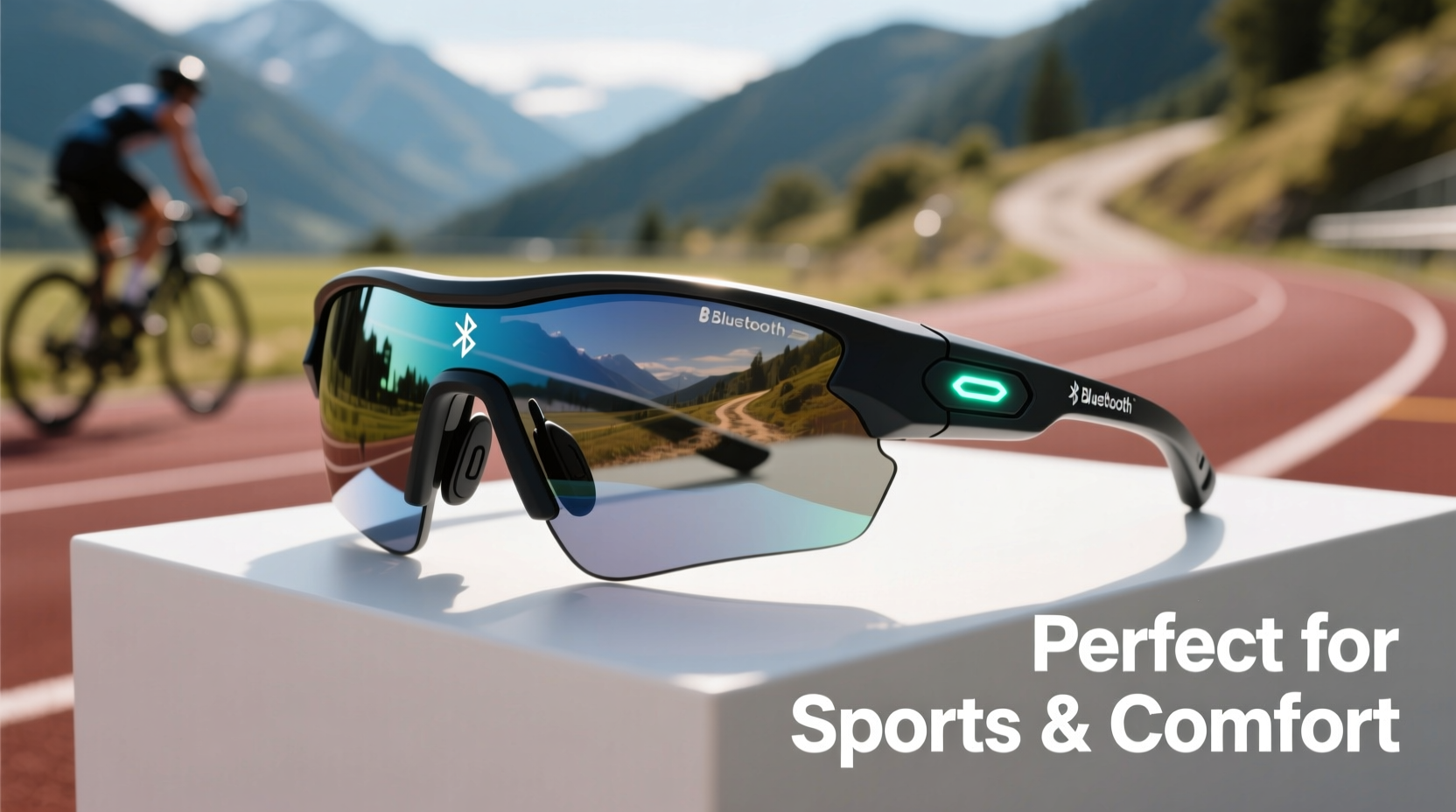
Polarized lenses are engineered to reduce glare from reflective surfaces like water, asphalt, snow, and glass. This is critical during high-motion activities where visual clarity directly impacts reaction time and spatial awareness. Unlike standard tinted lenses, polarization uses a special filter that blocks horizontal light waves—the primary source of blinding glare.
In sports such as cycling, running, or skiing, sudden glare can cause momentary disorientation or eye strain. Polarized lenses improve contrast and depth perception, allowing athletes to see terrain changes, obstacles, or traffic signals more clearly. This isn't just about comfort; it's a functional advantage that supports faster, safer performance.
Key Features to Evaluate Before Buying
Selecting high-performing polarized Bluetooth sunglasses means balancing optical excellence with audio functionality and physical comfort. Here are the core elements to assess:
Lens Quality and UV Protection
The best lenses offer 100% UVA and UVB protection. Verify this through manufacturer certification or independent testing labels (e.g., CE, ANSI Z80.3). Gray, brown, or copper tints are ideal for true color recognition and brightness control across varied lighting conditions.
Frame Design and Fit
Sports sunglasses must stay secure during movement. Wraparound frames with rubber nose pads and temple grips prevent slipping due to sweat or wind. Lightweight materials like TR90 nylon or Grilamid ensure long-term comfort without sacrificing strength.
Bluetooth Audio Performance
Audio integration should enhance—not interrupt—your workout. Prioritize models with:
- Low-latency Bluetooth 5.0 or higher
- Water-resistant speaker design (IPX5 or better)
- Built-in noise-canceling microphones for clear calls
- At least 6 hours of battery life
Durability and Weather Resistance
Sweat, rain, dust, and accidental drops are inevitable. Choose sunglasses rated at least IPX4 for water resistance and impact-resistant lenses (polycarbonate or NXT polyurethane).
“Polarized lenses aren’t just for comfort—they’re performance tools. In endurance sports, reducing visual fatigue can delay perceived exertion by up to 12%.” — Dr. Lena Torres, Sports Vision Researcher, University of Colorado
Step-by-Step Guide to Selecting Your Ideal Pair
Follow this structured approach to make an informed decision tailored to your activity and environment:
- Identify Your Primary Use Case: Are you cycling on open roads? Running trails? Training outdoors daily? Each scenario demands different lens tints and audio needs.
- Measure Your Face Width: Compare your facial width (cheekbone to cheekbone) with product dimensions. A proper fit ensures coverage without pressure points.
- Test Lens Tint for Environment: Amber or rose tints enhance contrast in low-light or overcast conditions; gray is best for bright, sunny days.
- Check Audio Controls and Compatibility: Ensure buttons are intuitive and the device pairs easily with your smartphone or fitness watch.
- Evaluate Battery Life vs. Charging Method: USB-C charging is faster and more durable than proprietary docks. Aim for 6+ hours of playback.
- Read Real User Reviews: Focus on feedback about stability during motion, sound quality in wind, and long-term hinge durability.
Comparison Table: Top Features Across Usage Scenarios
| Feature | Cycling | Running | Hiking | Gym/Outdoor Training |
|---|---|---|---|---|
| Lens Tint | Gray or mirrored | Amber or brown | Variable (interchangeable lenses) | Any (lightweight priority) |
| Audio Need | High (navigation, music) | Medium (music, coaching) | Low (ambient awareness) | High (motivation, podcasts) |
| Fit Stability | Wrap + temple grip | Nose pad + flexible frame | Moderate wrap | Lightweight, non-slip |
| Battery Life | 6–8 hours | 4–6 hours | 4 hours | 5+ hours |
| Weather Resistance | IPX5+ | IPX4+ | IPX4 | IPX2 (minimal) |
Real-World Example: Trail Runner’s Upgrade
Jessica, an avid trail runner in Boulder, Colorado, used regular sunglasses with earbuds during her morning runs. She frequently adjusted slipping earbuds and squinted through un-polarized lenses on rocky, sun-glared paths. After switching to polarized Bluetooth sunglasses with amber-tinted lenses and a secure TR90 frame, she noticed immediate improvements.
The integrated audio allowed her to listen to coaching cues without obstructing ambient sounds like approaching cyclists or wildlife. The polarization reduced eye strain on snow-dusted trails, and the snug fit eliminated constant readjustment. Over six months, her average pace improved slightly—not due to raw fitness, but because she could maintain focus and rhythm without sensory distractions.
Essential Checklist Before Purchase
- ✅ Confirmed 100% UV protection (UVA/UVB)
- ✅ True polarization (not just tinted lenses)
- ✅ Secure, non-slip fit for active movement
- ✅ Bluetooth 5.0 or newer with stable pairing
- ✅ Minimum IPX4 water and sweat resistance
- ✅ At least 6 hours of battery life
- ✅ Comfortable weight (under 40g preferred)
- ✅ Intuitive controls for volume, play, and calls
- ✅ Compatibility with your smartphone OS
- ✅ Warranty or durability guarantee from brand
Frequently Asked Questions
Can I wear polarized Bluetooth sunglasses in low light?
Yes, but only if they have appropriate lens tints. Amber or rose-tinted polarized lenses enhance contrast in cloudy or shaded environments. Avoid dark gray lenses in dim conditions, as they may impair visibility.
Do Bluetooth sunglasses damage hearing over time?
Not if used responsibly. Most models emit sound at safe levels (below 85 dB). However, avoid prolonged use at maximum volume, especially in quiet environments. Bone conduction models are often safer for extended listening during exercise.
Are polarized lenses suitable for seeing phone screens?
Sometimes not. Polarized lenses can create rainbow-like distortions on LCD or OLED screens (like smartphones or GPS devices) when viewed at certain angles. If you frequently check devices, test screen visibility before committing to a model.
Final Considerations for Long-Term Satisfaction
The perfect pair of polarized Bluetooth sunglasses blends form, function, and resilience. It’s not enough for them to look sleek or play music well—they must endure daily abuse while enhancing your athletic experience. Brands like Oakley, Ray-Ban (Meta), and Bose lead in innovation, but niche players such as JBSound and Revolar offer competitive features at lower price points.
Don’t compromise on lens quality for audio specs, or vice versa. The synergy between clear vision and reliable sound is what transforms a good product into a performance essential. Try before you buy if possible, or choose retailers with generous return policies to test real-world usability.




 浙公网安备
33010002000092号
浙公网安备
33010002000092号 浙B2-20120091-4
Comments
No comments yet. Why don't you start the discussion?