
Reading before bed is a cherished ritual for many—a quiet moment to unwind, reflect, or escape into another world. But if your current lighting setup leaves your eyes feeling tired, dry, or overly sensitive by the end of a chapter, it might not be the book causing discomfort. Poor lighting can significantly impact visual comfort and even disrupt sleep patterns. The right reading lamp does more than illuminate text; it supports ocular health, minimizes glare, and complements your circadian rhythm. Choosing wisely means balancing brightness, color temperature, positioning, and design to create a soothing yet functional environment.
Understanding Eye Strain and Light Exposure at Night
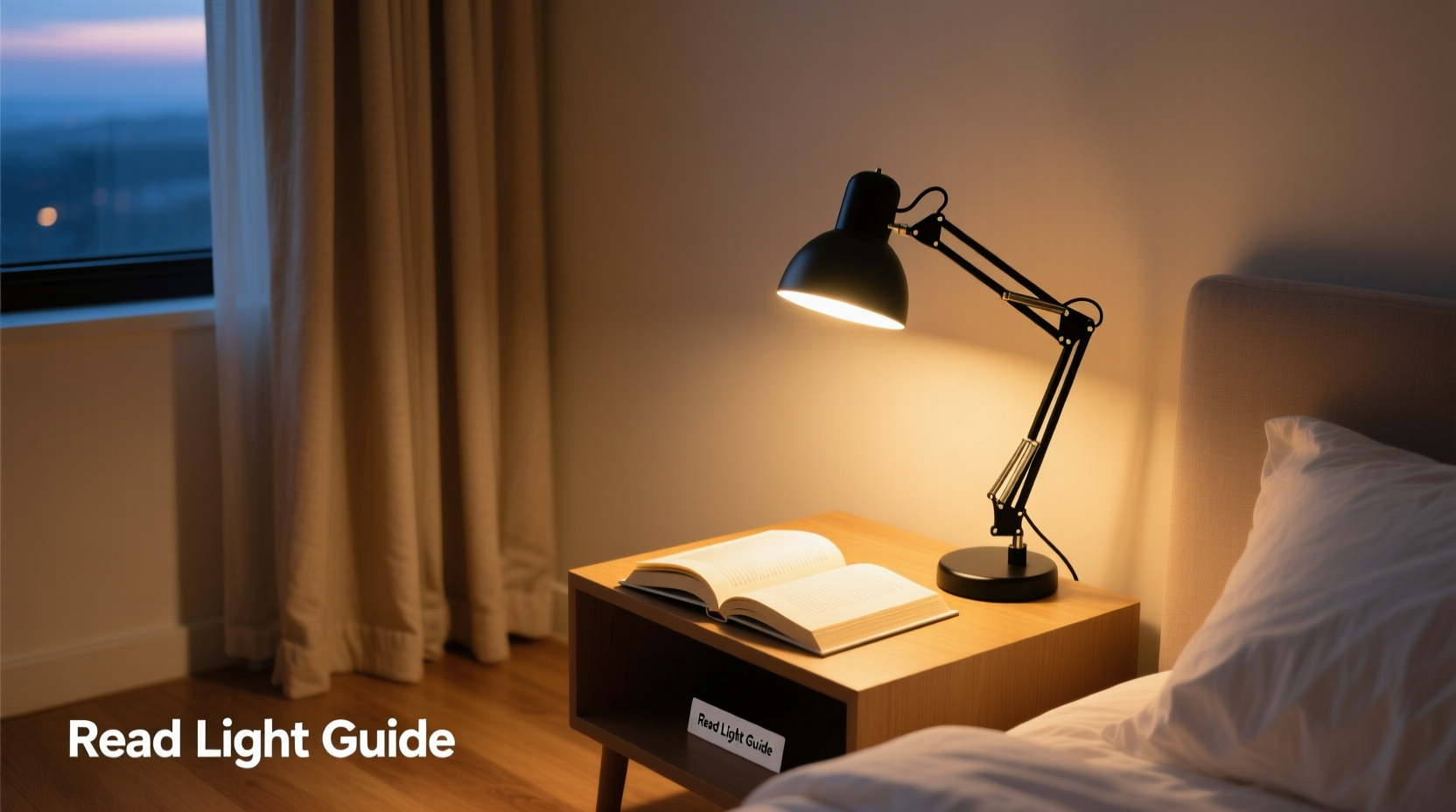
Eye strain during nighttime reading often stems from mismatched lighting conditions. When ambient light is too dim, your eyes work harder to distinguish text, leading to fatigue, headaches, and blurred vision. Conversely, excessively bright or harsh light—especially blue-rich white light—can suppress melatonin production, the hormone responsible for regulating sleep. This disruption may delay sleep onset and reduce overall sleep quality.
The human eye processes light through photoreceptors: rods for low-light vision and cones for color and detail. In suboptimal lighting, these systems struggle to maintain focus, particularly when contrast between the page and surroundings is inadequate. A well-chosen reading lamp ensures sufficient luminance on the reading material while avoiding overexposure to stimulating wavelengths.
“Lighting that mimics natural twilight—warm and directional—supports both visual clarity and biological readiness for rest.” — Dr. Lena Torres, Vision Health Researcher, National Sleep Foundation
Key Features of an Eye-Friendly Bedtime Reading Lamp
Not all lamps are created equal. To protect your eyes and promote relaxation, prioritize specific technical and ergonomic qualities.
1. Adjustable Brightness (Dimmability)
A lamp with multiple brightness settings allows you to tailor illumination to your environment and personal sensitivity. Start with lower levels and increase only as needed. Dimmable LEDs are ideal because they offer smooth transitions without flickering, which can contribute to eye discomfort.
2. Warm Color Temperature (2700K–3000K)
Color temperature is measured in Kelvins (K). For bedtime reading, aim for warm white light between 2700K and 3000K. This range emits a soft, yellowish glow similar to candlelight or sunset, minimizing blue spectrum exposure. Avoid cool white (4000K+) bulbs, which mimic daylight and can interfere with sleep hormones.
3. Flicker-Free Operation
Flickering—even imperceptible—is a common cause of eye strain and headaches. It occurs when electrical current fluctuates rapidly in low-quality LED drivers. Choose lamps certified as flicker-free or those using high-frequency pulse-width modulation (PWM). Reputable brands typically disclose this in product specifications.
4. Directional and Focused Beam
Your lamp should cast light precisely where you’re reading, not scatter it across the room or directly into your eyes. Adjustable arms, swivel heads, or gooseneck designs provide control over beam placement. Position the light source behind your shoulder, angled toward the page, to prevent shadows and reflections.
5. Minimal Glare and Shadowing
Glare happens when light reflects off glossy pages or screen surfaces, creating hotspots that force pupils to constantly adjust. Use matte-finish books or e-readers with anti-glare screens. Opt for diffused shades or frosted covers that soften the beam. Avoid bare bulbs or exposed LEDs pointing upward or sideways.
Positioning and Ergonomics: Where and How to Place Your Lamp
Even the best lamp fails if poorly positioned. Proper placement reduces physical strain on your neck, shoulders, and eyes.
Optimal Height and Angle
The top edge of the lampshade should align with your seated eye level when lying in bed. If using a table lamp, place it on a nightstand approximately 14–18 inches above the mattress surface. The bulb should sit slightly behind your dominant reading hand to avoid casting shadows over the text.
Avoid Overhead Lighting Alone
Ceiling lights often create flat, uniform illumination that lacks contrast. They may also produce glare if reflected off screens or eyeglasses. Instead, use overhead lighting as ambient background and supplement it with a dedicated task lamp focused on your reading zone.
Side vs. Clip-On Lamps
- Bedside table lamps: Offer stability and aesthetic continuity but require adequate surface space.
- Clip-on lamps: Ideal for small spaces or headboards; attach directly to furniture or mattress edges. Ensure they have flexible joints for precise aiming.
- Wall-mounted swing-arm lamps: Save floor and table space; excellent for consistent positioning once installed.
Comparative Guide: Types of Reading Lamps for Night Use
| Lamp Type | Best For | Pros | Cons |
|---|---|---|---|
| Table Lamp | Traditional bedrooms, spacious nightstands | Stable, decorative, wide shade options | Takes up surface area; less adjustable |
| Gooseneck Lamp | Precision lighting, compact spaces | Highly flexible; directs light exactly | May sag over time; less stylish |
| Clip-On Lamp | Headboard readers, renters, small apartments | Space-saving; portable; easy to install | Limited reach; potential wobble |
| Swing-Arm Wall Lamp | Modern setups, permanent installations | Saves space; sleek look; consistent position | Requires wiring or mounting; higher cost |
| LED Strip with Task Module | Minimalist interiors, built-in shelving | Discreet; customizable length; dimmable | Less intense output; may need secondary light |
Step-by-Step: How to Test and Select Your Ideal Reading Lamp
Follow this practical sequence to ensure your new lamp meets both comfort and health standards.
- Assess your reading posture. Sit or lie in your usual bedtime position. Note arm reach, head angle, and dominant hand.
- Measure available space. Determine clearance on nightstands, wall proximity, and ceiling height.
- Determine power access. Decide whether corded, USB-powered, or battery-operated suits your setup.
- Select base type. Choose table, clip, or wall-mounted based on space and permanence preferences.
- Test brightness and warmth. Use dimmable warm-white bulbs (2700K–3000K); avoid cool tones.
- Aim the light. Position so illumination falls directly on the reading material without shining into eyes.
- Evaluate after 15 minutes. Read a few pages. Check for glare, shadowing, or signs of eye fatigue.
- Confirm long-term usability. Ensure adjustments remain stable and controls are easy to reach in the dark.
Real-Life Example: Transforming a Tiring Routine
Sarah, a 38-year-old teacher, loved reading before bed but often woke with dry eyes and difficulty falling asleep. Her old brass table lamp used a 60W incandescent bulb (3500K), which felt “harsh” but was the only option she knew. After learning about color temperature, she switched to a dimmable LED gooseneck lamp set at 2700K. She positioned it behind her left shoulder, adjusted the brightness to 40%, and added a fabric shade to diffuse the beam. Within a week, she reported reduced eye discomfort and fell asleep 20 minutes faster on average. “It’s like the difference between staring at a phone and watching a sunset,” she said.
Essential Checklist Before Buying
- ✅ Offers adjustable brightness (dimmable function)
- ✅ Emits warm white light (2700K–3000K)
- ✅ Provides directional, focused beam
- ✅ Minimizes glare (diffused shade or frosted cover)
- ✅ Flicker-free technology (check product specs)
- ✅ Fits comfortably in your sleeping area
- ✅ Allows easy repositioning during use
- ✅ Compatible with warm-dimmable or smart bulbs (optional)
Frequently Asked Questions
Can I use my smartphone as a reading light?
No. Smartphones emit intense blue-enriched light and are held too close to the face, increasing glare and digital eye strain. Even with night mode enabled, their brightness and screen flicker make them poor substitutes for proper task lighting.
Are salt lamps good for bedtime reading?
While aesthetically pleasing and very warm in tone (~2000K), salt lamps are generally too dim for effective reading. They serve better as ambient mood lighting rather than primary task lights. Pair them with a brighter, adjustable source if used together.
How bright should my reading lamp be?
Aim for 400–500 lumens focused on the page. This provides enough clarity without overwhelming the dark-adapted eye. Use lower brightness if reading digitally, as screens already emit their own light.
Final Thoughts: Light Well, Sleep Better
Choosing the right reading lamp isn’t just about convenience—it’s an investment in your visual health and sleep hygiene. By prioritizing warm, adjustable, and precisely directed light, you create a nighttime environment that supports both mental engagement and physical relaxation. Whether you prefer the classic elegance of a ceramic table lamp or the modern efficiency of a dimmable LED clip-on, the goal remains the same: effortless reading without compromise. Make thoughtful choices today, and your eyes—and your sleep schedule—will thank you tomorrow.




 浙公网安备
33010002000092号
浙公网安备
33010002000092号 浙B2-20120091-4
Comments
No comments yet. Why don't you start the discussion?