
In an era where minimalism meets mobility, the small bag has emerged as a staple in daily life. Whether commuting, running errands, or navigating city streets, carrying only what you need requires thoughtful selection. A well-chosen small bag blends practicality with personal style, offering comfort without compromise. Yet, with endless options in materials, shapes, and features, making the right choice can feel overwhelming. This guide cuts through the noise, focusing on real-world usability, durability, and aesthetic harmony to help you find the ideal companion for your everyday routine.
Assess Your Daily Needs First
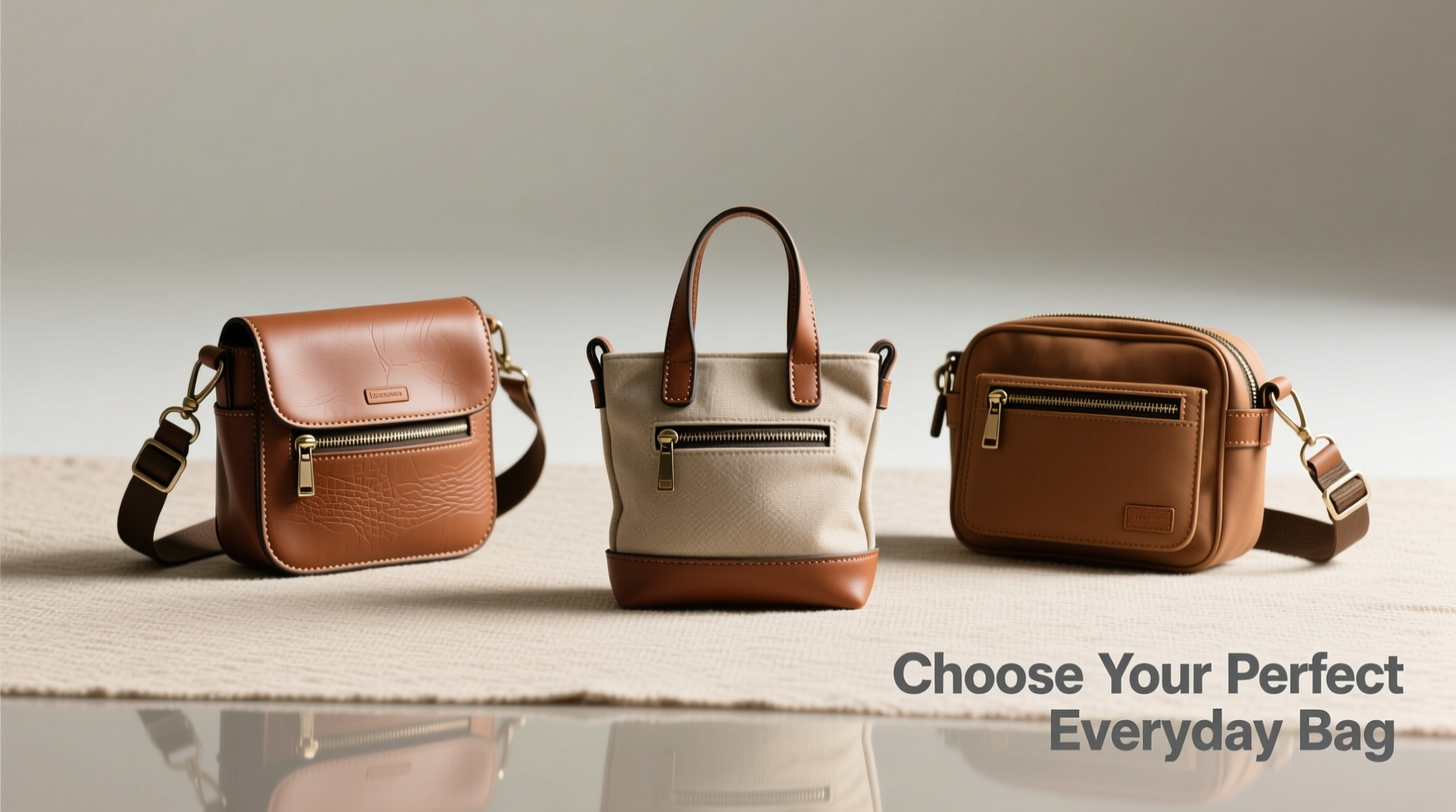
Before considering color or brand, define what you carry every day. A minimalist may only need a phone, wallet, and keys, while another might require a compact tablet, lip balm, hand sanitizer, and sunglasses. List your essentials and measure their dimensions roughly. This exercise prevents underestimating space needs and avoids the frustration of a bag that looks good but fails functionally.
Consider how your routine varies: Do you walk long distances? Work remotely from cafes? Attend meetings where professionalism matters? These nuances shape whether a crossbody, sling, or top-handle design suits you best.
The Right Size: Compact Doesn’t Mean Cramped
A small bag should hold your essentials comfortably, not tightly. Overstuffing strains zippers, distorts shape, and makes retrieval difficult. Look for structured designs with internal organization—zippered pockets, slip compartments, and dedicated phone slots reduce clutter.
As a rule of thumb, your phone should fit flat in a padded or lined pocket, and your wallet shouldn’t force the closure open. If you wear different outer layers seasonally (e.g., thick coats vs. light jackets), ensure the bag remains accessible and balanced when worn over clothing.
Prioritize Material and Build Quality
Durability begins with material choice. While aesthetics matter, the fabric or leather must withstand daily friction, weather exposure, and occasional drops. Here’s a breakdown of common materials and their real-world performance:
| Material | Pros | Cons |
|---|---|---|
| Full-grain leather | Durable, ages beautifully, water-resistant with care | Heavy, higher cost, requires maintenance |
| Cordura nylon | Lightweight, abrasion-resistant, weatherproof | Less formal appearance, can look technical |
| Canvas | Sturdy, breathable, eco-friendly options available | Stains easily, less structured |
| Recycled polyester | Sustainable, often water-resistant, affordable | Can degrade under UV exposure over time |
Check stitching quality—double or triple stitching at stress points like straps and corners indicates longevity. Metal hardware (zippers, buckles) should feel substantial, not hollow or flimsy. YKK zippers are a trusted industry standard known for smooth operation and reliability.
“Functionality isn’t just about capacity—it’s about how well the bag endures daily stress. A $200 bag poorly constructed will outlive a $500 designer piece with weak seams.” — Marcus Lin, Product Design Consultant
Ergonomics and Comfort: Wear It All Day
No bag is perfect if it causes shoulder strain or slips off constantly. Weight distribution is critical. Crossbody styles typically offer better balance than single-strap shoulder bags, especially when loaded. Padded or adjustable straps allow customization based on height and torso length.
Test the drop length—the distance from strap attachment to base. An ideal drop lets the bag rest securely at hip level when worn across the body, minimizing swing and maximizing security. For those who cycle or use public transit, consider anti-theft features like lockable zippers or slash-proof straps.
Real Example: The Urban Commuter’s Dilemma
Sophie, a graphic designer in Chicago, used a sleek leather shoulder bag for months until she developed neck pain. After switching to a compact crossbody with an ergonomic curved back panel and adjustable webbing strap, her discomfort vanished. She kept the same essentials—laptop sleeve for her 10-inch tablet, passport holder, and reusable cutlery kit—but gained all-day comfort. Her new bag, though slightly larger in depth, felt lighter due to even weight distribution.
Her experience underscores a key truth: comfort is not secondary to style. It’s foundational.
Style That Aligns With Your Wardrobe
A versatile small bag should complement at least three-quarters of your regular outfits. Neutral tones—black, navy, tan, or charcoal gray—offer maximum coordination potential. If you prefer bold colors or patterns, reserve them for seasonal rotation rather than daily use.
Consider the formality of your environment. A minimalist black nylon sling works well for casual or tech-forward settings, while a structured satchel in pebbled leather fits office environments. Avoid overly branded designs unless logo visibility aligns with your personal or professional identity.
Do’s and Don’ts of Small Bag Styling
| Do | Don't |
|---|---|
| Match metal finishes to your jewelry (silver-tone with silver, gold with gold) | Mix multiple metallic finishes haphazardly |
| Choose rounded silhouettes for softer, approachable looks | Select boxy shapes for very casual outfits unless intentional |
| Let the bag size reflect your frame—petite individuals suit smaller proportions | Carry a bag so small it compromises function |
Step-by-Step: How to Choose Your Ideal Small Bag
- Inventory your essentials: List and measure items you carry daily.
- Determine carrying preference: Decide between crossbody, shoulder, sling, or handheld.
- Set a budget: Allocate funds based on expected lifespan (e.g., $150–$300 for a 3+ year bag).
- Research materials: Prioritize durability and weather resistance for your climate.
- Try before you buy: Visit stores to test weight, strap comfort, and access speed.
- Evaluate organization: Ensure quick access to phone and wallet without unpacking.
- Assess versatility: Confirm it pairs with work, weekend, and evening attire.
Frequently Asked Questions
Can a small bag really hold everything I need?
Yes—if curated wisely. Focus on essentials: phone, ID, payment method, keys, and one personal item (like lip balm or earbuds). Use cloud storage or digital cards to minimize physical items. A well-organized small bag promotes intentionality, reducing mental clutter as much as physical.
Is leather worth it for everyday use?
For many, yes. Full-grain leather develops a unique patina over time and resists tearing better than synthetics. However, it requires occasional conditioning and protection from prolonged rain. In wet climates, consider waxed canvas or water-resistant nylon as alternatives.
How do I prevent my small bag from being stolen?
Opt for designs with closable compartments (zippers over magnetic snaps), wear it across your body, and position it in front when in crowded areas. Some brands integrate RFID-blocking pockets and cut-resistant straps—worth considering for urban environments.
Final Checklist Before Purchase
- ✅ Holds all daily essentials without bulging
- ✅ Made from durable, appropriate material for your climate
- ✅ Features secure, easy-to-use closures
- ✅ Straps are adjustable and comfortable for extended wear
- ✅ Matches multiple outfits and occasions
- ✅ Has interior organization (at minimum, a zip pocket)
- ✅ Feels balanced when worn, not tipping or sliding
Conclusion: Make It Work for You, Every Day
The perfect small bag isn’t defined by trends or price tags—it’s measured by how seamlessly it integrates into your life. When function, comfort, and style align, your bag becomes an extension of your rhythm, not a burden to manage. Take the time to evaluate your habits, prioritize quality over novelty, and trust your instincts when something feels right. A thoughtfully chosen bag doesn’t just carry your belongings; it supports your movement through the world with confidence and ease.




 浙公网安备
33010002000092号
浙公网安备
33010002000092号 浙B2-20120091-4
Comments
No comments yet. Why don't you start the discussion?