
Vests are no longer just functional outerwear—they’ve become a fashion staple, especially during the transitional warmth of spring and summer. Lightweight, breathable, and endlessly versatile, a well-chosen vest can elevate a casual outfit, add polish to a work ensemble, or provide sun-safe coverage at outdoor events. With so many styles, fabrics, and silhouettes available, selecting the right one depends on more than just aesthetics. It’s about matching function, comfort, and personal expression to your lifestyle.
From cropped sleeveless jackets to tailored blazers and sporty utility designs, the modern woman has options that suit everything from brunch dates to hiking trails. The key is knowing what to look for based on climate, body type, occasion, and wardrobe cohesion.
Understand Fabric Choices for Warm Weather Comfort
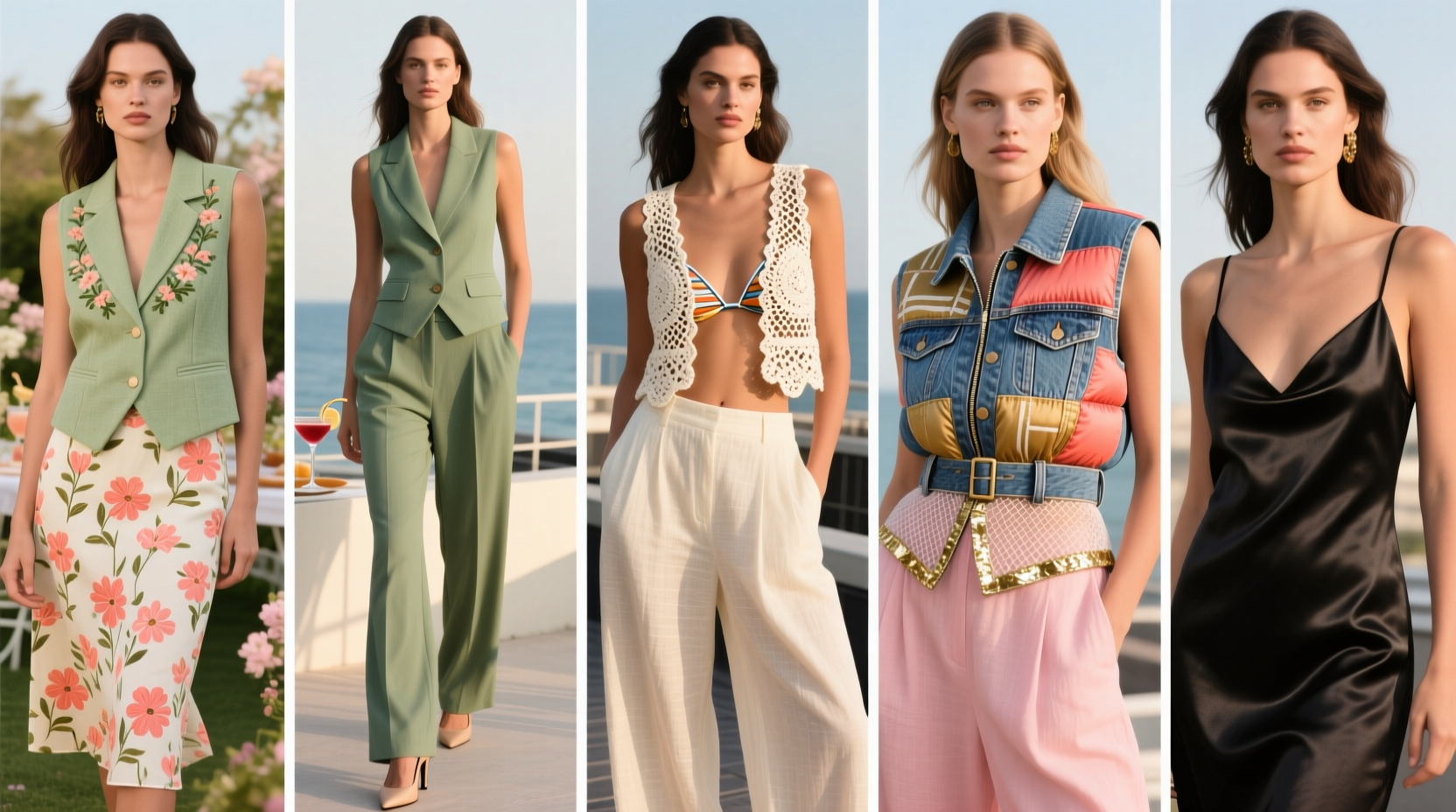
The foundation of any great spring or summer vest lies in its material. Since these seasons bring higher temperatures and humidity, choosing breathable, moisture-wicking fabrics is essential for staying cool and comfortable.
- Linen: Naturally lightweight and highly breathable, linen is ideal for hot days. It wrinkles easily, but this adds to its relaxed, effortless charm.
- Cotton: Soft, durable, and easy to care for, cotton blends (especially with a bit of spandex) offer stretch and structure without trapping heat.
- Ramie or Hemp: Eco-friendly alternatives that resist bacteria and dry quickly—perfect for travel or outdoor adventures.
- Nylon or Polyester Blends: Often used in performance vests, these materials are water-resistant and quick-drying, making them suitable for active wear.
- Wool Crepe or Lightweight Merino: Counterintuitively, ultra-thin merino wool regulates temperature well and resists odor—ideal for early spring or air-conditioned environments.
Match Vest Style to Your Body Shape and Proportions
A flattering vest enhances your silhouette rather than overwhelming it. Consider your height, shoulder width, and torso length when selecting cut and length.
| Body Type | Recommended Vest Style | Features to Look For |
|---|---|---|
| Petite | Cropped or waist-length | Vertical seams, V-necklines, minimal bulk |
| Tall | Longline or duster-style | Asymmetrical hems, structured shoulders |
| Hourglass | Fitted or belted | Defined waist, soft tailoring |
| Apple-shaped | Open-front, A-line | Flowing fabric, empire cuts |
| Rectangle/Androgynous | Boxy or oversized | Sharp lines, layered looks |
“Fit is more important than trend. A vest should follow your natural shape, not fight it.” — Lena Park, Sustainable Fashion Stylist
Choose the Right Vest for Every Occasion
One of the greatest strengths of women’s vests is their adaptability across settings. The same garment can be dressed up or down depending on fabric, color, and styling.
Casual Day Out
A denim or canvas vest pairs effortlessly with a tank top and jeans. Look for distressed finishes or patch details to enhance laid-back appeal. Roll the shoulders slightly for a nonchalant vibe.
Work & Office Wear
Opt for a tailored vest in neutral tones like beige, navy, or gray. Pair with a silk camisole and high-waisted trousers for a minimalist power look. Avoid overly shiny materials—matte finishes appear more professional.
Outdoor Activities
Hiking, gardening, or city walking call for functional vests with multiple pockets. Choose ripstop nylon or recycled polyester with UV protection. Bright colors increase visibility and safety.
Evening Events
Satin, lace-trimmed, or sequined vests add drama over slip dresses or jumpsuits. Stick to monochrome palettes to keep the look chic, not flashy.
Travel-Friendly Picks
Packable vests made from wrinkle-resistant blends save space and maintain form. Convertible styles (e.g., zip-off sleeves) offer extra utility across climates.
Step-by-Step Guide to Building a Versatile Vest Wardrobe
Follow this timeline to curate a collection that works across seasons and outfits:
- Week 1: Audit Your Current Wardrobe
Analyze which tops, bottoms, and outer layers you wear most. Identify gaps where a vest could add value. - Week 2: Define Your Lifestyle Needs
List your typical activities—office, weekend errands, travel—and assign a vest type to each. - Week 3: Set a Budget & Prioritize Quality
Invest in one premium piece (like a tailored wool-blend) and two affordable basics (cotton or utility). - Week 4: Shop Mindfully
Try on multiple fits, check stitching quality, and ensure ease of movement. Buy only what complements existing pieces. - Ongoing: Rotate and Maintain
Hand wash delicate fabrics, store flat or hung properly, and refresh with a steamer to preserve shape.
Real-Life Example: How Sarah Transformed Her Spring Capsule
Sarah, a 34-year-old graphic designer from Austin, struggled with layering during unpredictable spring weather. Mornings were cool, afternoons sweltering. She bought a lightweight linen vest in oatmeal tone after consulting a stylist friend. Paired with a striped tee and wide-leg pants, it became her go-to work look. On weekends, she swapped in a cropped denim version for farmers’ markets. By rotating just two vests, she reduced decision fatigue and increased outfit combinations by 40%, according to her personal style journal.
Essential Checklist Before You Buy
Use this checklist to make informed decisions every time:
- ✅ Does the fabric breathe and feel comfortable in heat?
- ✅ Is the length proportional to my torso and leg line?
- ✅ Can I layer it over both tanks and light sweaters?
- ✅ Are the seams reinforced and buttons securely attached?
- ✅ Does the color complement at least three items in my closet?
- ✅ Is it machine-washable or does it require special care?
- ✅ Will I wear it more than five times this season?
Frequently Asked Questions
Can I wear a vest in humid climates?
Absolutely—if you choose the right fabric. Linen, ramie, and moisture-wicking synthetics perform well in humidity. Avoid heavy linings or tight weaves that restrict airflow.
Are puffer vests still in style for spring and summer?
Traditional puffer vests are too warm for most summer conditions, but ultra-thin, sleeveless gilets filled with recycled thermal fibers are gaining popularity as eco-conscious transitional pieces—especially in coastal or mountain areas.
How do I style a vest without looking boxy?
Add definition with a slim belt over the vest, or pair it with high-waisted bottoms to elongate the legs. Tuck in your top to create vertical balance and prevent bulk around the midsection.
Final Thoughts: Elevate Your Warm-Weather Wardrobe
Selecting the perfect spring and summer vest isn’t just about following trends—it’s about intentionality. The best pieces serve multiple roles: they protect, flatter, express identity, and simplify dressing. Whether you're drawn to earthy utility styles or sleek minimalist designs, focus on craftsmanship, comfort, and compatibility with your daily life.
A single well-chosen vest can unlock dozens of new outfit possibilities, reduce laundry load (thanks to low-sweat wear), and even boost confidence through polished layering. As temperatures rise, let your vest be the quiet hero of your warm-weather wardrobe.




 浙公网安备
33010002000092号
浙公网安备
33010002000092号 浙B2-20120091-4
Comments
No comments yet. Why don't you start the discussion?