
A throw blanket is more than just a cozy addition to your living room—it’s a functional design element that bridges comfort and aesthetics. The right texture can elevate your sofa’s look, support seasonal transitions, and enhance daily relaxation. But with so many materials available—from chunky knits to silky weaves—selecting the ideal texture isn’t just about personal taste. It’s about aligning fabric properties with environmental conditions, usage habits, and interior harmony.
Choosing wisely means considering not only how soft a blanket feels against your skin but also how it performs across seasons, complements your upholstery, and withstands everyday use. This guide breaks down the essential factors in selecting the perfect throw blanket texture, offering practical insights grounded in textile science and interior design principles.
Understand Fabric Textures and Their Sensory Profiles
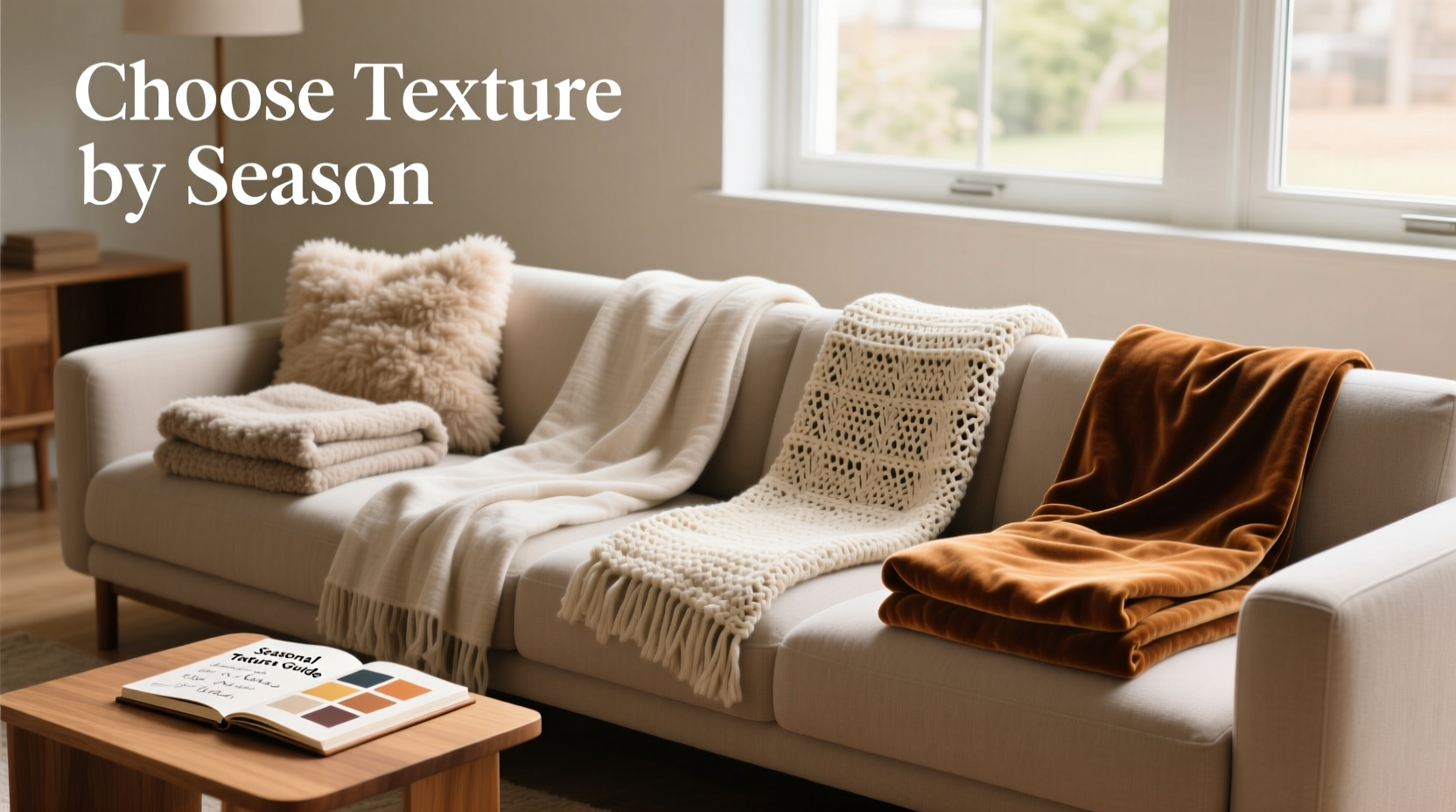
The texture of a throw blanket directly influences its tactile experience. Some fabrics invite touch with their plushness; others offer sleek, smooth surfaces. Each has distinct sensory characteristics that affect both comfort and visual weight in a space.
- Chenille: Known for its velvety surface and slight sheen, chenille offers deep softness with a luxurious drape. It's warm without being heavy, making it suitable for fall and winter.
- Cotton knit: Lightweight and breathable, cotton throws are ideal for spring and summer. They often feature open weaves or ribbed textures that add subtle dimension without overheating.
- Faux fur: Ultra-plush and visually rich, faux fur brings drama and warmth. Best reserved for colder months due to its insulating density.
- Linen: Naturally textured with a slightly coarse initial feel, linen softens over time. Its crinkled appearance adds organic charm and suits minimalist or coastal interiors.
- Wool and wool blends: Naturally temperature-regulating, wool provides warmth in winter and breathability in milder weather. Cable-knit wool throws add rustic elegance and excellent heat retention.
- Polyester microfiber: Affordable and durable, microfiber mimics the softness of natural fibers at a lower cost. Often used in ultra-cozy sherpa or fleece styles.
The key is matching texture to function. A nubby cable knit may look inviting on a leather sectional during December, but it could feel stifling in July. Similarly, a slick satin-trimmed cotton throw might feel refreshing in August but lack warmth in February.
Match Texture to Seasonal Climate Needs
Seasonality plays a crucial role in determining which throw blankets serve you best throughout the year. Unlike permanent upholstery, throws are easily swapped, allowing you to adapt your living space to shifting temperatures and humidity levels.
In colder months—late autumn through early spring—opt for high-loft, insulating textures. These trap body heat and provide immediate comfort when lounging. Wool, alpaca, and thick acrylic knits excel here. Look for tight weaves or looped stitches that reduce air circulation, enhancing thermal efficiency.
During warmer seasons, prioritize airflow and moisture-wicking properties. Linen and loosely woven cotton allow heat to escape, preventing that clammy feeling common with synthetic-heavy blends. Lightweight terry or waffle-knit cotton throws absorb light perspiration while adding textural interest.
“Just like layering clothing, layering home textiles should respond to ambient conditions. A well-curated rotation of throws ensures both comfort and longevity.” — Naomi Reed, Sustainable Interior Stylist
Seasonal Throw Rotation Guide
| Season | Recommended Textures | Why It Works |
|---|---|---|
| Winter | Wool, cable-knit acrylic, faux fur, sherpa | High insulation, slow heat loss, tactile richness enhances coziness |
| Spring | Cotton terry, ribbed cotton, lightweight chenille | Moderate warmth with improved breathability as temperatures rise |
| Summer | Linen, open-weave cotton, bamboo blend | Natural cooling, moisture absorption, minimal cling in humid air |
| Fall | Alpaca blend, bouclé, medium-weight chenille | Transitional warmth with aesthetic depth; prepares space for winter layering |
Select Based on Sofa Material and Design Style
Your sofa’s fabric and overall décor theme should influence your throw’s texture. A mismatched combination can disrupt visual flow or even damage upholstery over time.
For example, pairing a rough, heavily looped wool throw with a delicate microfiber sofa increases the risk of pilling or snagging. Conversely, draping a silky-smooth rayon-blend throw over a rugged leather Chesterfield may look incongruous unless intentionally styled for contrast.
Consider these pairings:
- Leather sofas: Complement with soft, nubby textures like bouclé or chenille. These create a pleasing contrast between sleek and tactile, adding warmth to an otherwise cool surface.
- Fabric upholstery (e.g., velvet, tweed): Choose lighter throws in complementary tones. A linen or cotton throw prevents visual overload while still offering utility.
- Modern minimalist designs: Stick to monochromatic tones and simple weaves. A solid-color organic cotton or undyed wool throw supports clean lines without clutter.
- Rustic or farmhouse styles: Embrace chunky knits, braided trims, or vintage-inspired crochets. These amplify the handmade, lived-in aesthetic.
Also consider scale. A small loveseat doesn’t need a massive, floor-draping knit. Instead, fold a medium-sized cotton throw neatly over one arm to maintain balance.
Step-by-Step: How to Choose Your Ideal Throw Blanket
Follow this six-step process to ensure every throw you bring home meets comfort, durability, and design standards.
- Assess your climate zone. Do you live in a place with harsh winters or mild year-round temps? This determines how much insulation you’ll realistically need.
- Evaluate your sofa’s fabric. Is it prone to snags or fading? Avoid abrasive or dark-colored throws that might transfer dye or catch on loose threads.
- Determine primary use. Will the blanket be decorative, used nightly for TV watching, or accessible to pets and children? High-use throws demand washable, resilient fabrics.
- Touch test samples. Order swatches or visit stores to feel different textures firsthand. Note how each responds to pressure and movement.
- Check care requirements. Can you machine-wash it? Does it require dry cleaning? Frequent washing favors cotton, microfiber, or machine-washable wool blends.
- Plan seasonal swaps. Invest in two core throws—one for cold months, one for warm—and rotate them quarterly. Store off-season ones folded in breathable cotton bags.
Real-Life Example: Transforming a Living Room Across Seasons
Samantha, a designer in Portland, Oregon, manages dramatic seasonal shifts in her mid-century living room. Her charcoal performance-fabric sofa sees daily use from family and guests.
In winter, she layers a cream-colored recycled wool cable knit over the backrest. Its dense weave retains heat, and the natural lanolin in wool resists spills—a necessity with frequent coffee use. The texture contrasts beautifully with the sofa’s flat weave, drawing attention without overwhelming.
By May, she switches to a sand-colored linen-cotton blend with a subtle herringbone pattern. Light enough to drape across her lap during evening reading, it allows airflow on unexpectedly warm spring nights. She folds the wool throw into storage with cedar blocks to deter moths.
The change isn’t just functional. “It signals a shift in mood,” she says. “The room feels lighter, cleaner—like we’ve opened the windows mentally as well as physically.”
Do’s and Don’ts of Throw Blanket Selection
| Action | Recommendation | Reason |
|---|---|---|
| Do match texture to use case | Use sherpa for kids’ areas, linen for guest seating | Ensures durability and appropriate comfort level |
| Don’t ignore maintenance needs | Avoid non-machine-washable throws in high-traffic zones | Hard-to-clean fabrics accumulate odors and stains quickly |
| Do consider colorfastness | Test dark throws on light upholstery | Prevents dye transfer, especially in humid or sweaty conditions |
| Don’t overlook size | Aim for 50” x 60” as standard throw size | Large enough to cover legs, small enough to drape neatly |
| Do layer textures thoughtfully | Pair smooth sofa with nubby throw, not multiple rough layers | Creates balance instead of visual noise |
FAQ
Can I use the same throw blanket all year?
Yes, if it’s made from a balanced material like a cotton-acrylic blend or lightweight merino wool. These regulate temperature moderately well across seasons. However, most homes benefit from rotating throws to optimize comfort and extend fabric life.
How do I prevent my throw from slipping off the sofa?
Choose throws with some grip—chenille, terry cloth, or knits with tighter loops tend to stay put. You can also place it beneath a decorative cushion or use a nonslip liner underneath. Avoid ultra-slick fabrics like pure satin if stability is a concern.
Are natural fibers always better than synthetics?
Not necessarily. While natural fibers like wool and cotton offer breathability and biodegradability, modern synthetics such as recycled polyester or eco-friendly microfibers can deliver superior durability, stain resistance, and affordability. Many high-performance throws now blend both for optimal results.
Final Checklist Before Buying
- ✅ Have I touched the fabric or reviewed customer photos?
- ✅ Does the texture complement—not clash with—my sofa material?
- ✅ Is it suitable for the season and room temperature?
- ✅ Can I machine-wash it easily?
- ✅ Is the size proportional to my furniture?
- ✅ Does it align with my interior style (modern, rustic, eclectic, etc.)?
- ✅ Have I considered long-term wear, especially with pets or kids?
Conclusion: Make Your Living Space Work for You Year-Round
The perfect throw blanket isn’t a one-size-fits-all solution—it’s a dynamic tool in your home comfort system. By thoughtfully selecting textures based on season, sofa type, and lifestyle needs, you create a living environment that feels intentional, comfortable, and visually cohesive.
Start small: evaluate your current throw. Does it serve you in every way? If not, begin building a rotation. Invest in quality over quantity—a single well-chosen wool throw can last a decade with proper care. Let texture be your guide, not just your decor afterthought.




 浙公网安备
33010002000092号
浙公网安备
33010002000092号 浙B2-20120091-4
Comments
No comments yet. Why don't you start the discussion?