
Selecting a commuter bag isn’t just about style—it’s about function, durability, and adaptability to your daily routine. Whether you're biking to the office, hopping on a train with a laptop, or transitioning from work to weekend errands, the right bag should support your rhythm without compromise. A well-chosen commuter bag becomes an extension of your lifestyle, not a burden. Yet, too many people settle for generic designs that fail after weeks of use or lack the thoughtful features needed for real-world versatility.
The ideal commuter bag balances form and function: it protects your essentials, carries comfortably, and transitions seamlessly between environments. With so many options—backpacks, messenger bags, tote hybrids, and smart carry-ons—choosing the right one requires a clear understanding of your habits, priorities, and physical demands. This guide breaks down what truly matters when selecting a bag that works as hard as you do.
Assess Your Daily Needs and Commute Profile
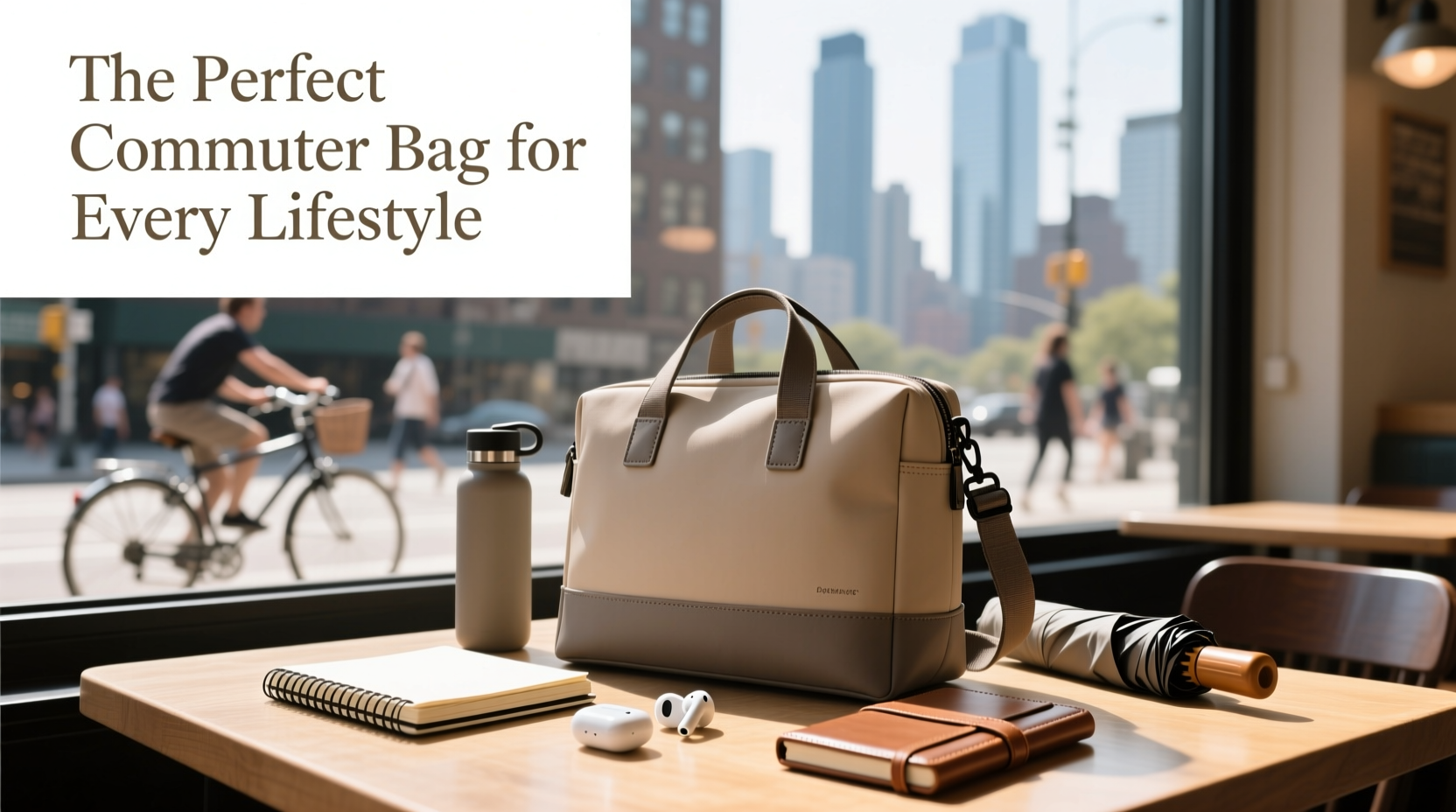
Your commute defines the baseline requirements for your bag. Start by mapping out your typical day: How long is your journey? What modes of transport do you use? Do you need quick access to transit cards or your phone? Are you carrying a laptop, gym clothes, or groceries on the way home?
A software developer commuting via subway might prioritize padded laptop compartments and RFID-blocking pockets. A teacher walking to school may value wide openings for easy book access and water-resistant fabric for rainy mornings. A hybrid worker splitting time between home and office could benefit from a sleek design that doubles as a briefcase during client meetings.
Consider seasonal shifts too. Winter commutes may require insulated pockets for gloves or space for a compact umbrella. Summer riders might prefer ventilated back panels to reduce sweat. The most versatile bags accommodate these fluctuations without requiring a full replacement each season.
Material Matters: Durability Meets Aesthetics
The material of your bag directly impacts longevity, weather resistance, and maintenance. Common options include ballistic nylon, waxed canvas, genuine leather, and recycled polyester. Each has trade-offs in weight, texture, and environmental footprint.
| Material | Pros | Cons |
|---|---|---|
| Ballistic Nylon | Extremely durable, water-resistant, lightweight | Can look technical or sporty, less formal |
| Waxed Canvas | Weatherproof, ages beautifully, classic look | Heavier, requires occasional re-waxing |
| Genuine Leather | Luxurious feel, molds to user, long lifespan | Expensive, absorbs moisture, needs conditioning |
| Recycled Polyester | Eco-friendly, soft texture, often water-repellent | Less abrasion-resistant than nylon |
Urban cyclists should lean toward synthetic materials with reinforced stitching at stress points. Office professionals may prefer textured leather or minimalist nylon that looks polished under fluorescent lights. Always inspect zippers, buckles, and seams—YKK zippers and metal hardware generally outlast plastic alternatives.
“Functionality begins with construction. A bag can look great, but if the base fabric tears in six months, it’s not versatile—it’s disposable.” — Marcus Lin, Product Designer at Urban Carry Co.
Design Features That Make a Difference
Smart design elevates a good bag into a great one. Look beyond aesthetics to functional elements that enhance usability:
- Padded, breathable back panel: Essential for comfort during extended wear, especially with heavy loads.
- Dedicated laptop sleeve (15” or 17”): Should be foam-padded and accessible from the outside to avoid rummaging.
- Hidden anti-theft pockets: Ideal for passports, wallets, or phones in crowded transit areas.
- Trolley sleeve: Slides over suitcase handles for effortless airport transfers.
- External USB port with internal cable routing: Allows charging on the go without exposing power banks.
- Quick-access top handle or side pocket: For grabbing keys or transit cards without opening the main compartment.
Women and gender-nonconforming users often report frustration with unisex bags that ignore ergonomics. Look for adjustable straps, balanced weight distribution, and narrower shoulder widths where possible. Some brands now offer anatomically tailored cuts for better fit and reduced strain.
Mini Case Study: From Overloaded Backpack to Streamlined Commute
Sophie, a freelance graphic designer in Portland, used a standard college backpack for years. She carried her 15-inch laptop, tablet, sketchbook, water bottle, and lunch. After two years, the stitching failed, and she lost hours of work when rain soaked through a weak zipper. Frustrated, she researched purpose-built commuter bags and chose a waxed canvas model with a clamshell opening, waterproof base, and magnetic chest strap. Within weeks, she noticed less shoulder pain and faster access to tools during client visits. “It cost more upfront,” she says, “but I’ve already saved money by not replacing gear—and my posture has improved.”
Your 7-Step Selection Process
Choosing the right bag doesn’t have to be overwhelming. Follow this step-by-step approach to make a confident decision:
- Define your primary use case: Work commute, multi-modal travel, hybrid remote/in-office?
- List essential items: Laptop, charger, notebook, water bottle, change of shoes?
- Determine preferred carry style: Backpack, crossbody, briefcase, tote?
- Set a realistic budget: Quality commuter bags range from $80–$300; view this as a long-term investment.
- Research materials and weather protection: Prioritize water resistance if you walk or bike.
- Test ergonomics virtually: Check brand size charts, read reviews mentioning comfort, and look for return policies.
- Narrow to three options and compare: Use a checklist to evaluate features side by side.
Checklist: Must-Have Features for a Truly Versatile Commuter Bag
Before purchasing, verify your shortlisted bags meet these criteria:
- ✅ Fits your largest device securely (laptop/tablet)
- ✅ Water-resistant or fully waterproof construction
- ✅ Padded shoulder straps and back panel
- ✅ Lockable or secure zippers
- ✅ At least one hidden security pocket
- ✅ Easy external access to frequently used items
- ✅ Reflective details if cycling or walking at night
- ✅ Neutral color or professional finish for broad compatibility
Frequently Asked Questions
Can one bag really work for both work and weekend use?
Yes—if designed thoughtfully. Look for minimalist silhouettes in durable, stain-resistant fabrics. A convertible backpack that folds into a tote or includes removable straps offers maximum flexibility. Avoid overly branded or flashy styles that don’t transition well.
How important is weight when choosing a commuter bag?
Crucial. An empty bag weighing over 3.5 lbs adds significant strain over time, especially when loaded. Lightweight materials like ripstop nylon or compressed polyester maintain strength without bulk. Aim for under 2.5 lbs when empty for optimal comfort.
Are “smart” commuter bags worth the extra cost?
Only if you actively use the features. Built-in USB ports, GPS trackers, or solar panels add cost and complexity. If you’re not charging devices on the move or worried about theft, a simpler, repairable design may serve you longer. Prioritize utility over gimmicks.
Final Thoughts: Invest in a Bag That Moves With You
The perfect commuter bag isn’t defined by price or brand prestige—it’s measured by how effortlessly it integrates into your life. It should protect your belongings, support your body, and adapt as your routine evolves. Whether you're navigating rush-hour crowds, attending back-to-back meetings, or heading straight to dinner after work, your bag should empower movement, not hinder it.
Take the time to assess your real needs, not just aesthetic preferences. Choose quality construction over fleeting trends. A well-made bag will age gracefully, carry reliably, and ultimately save you time, stress, and repeated expenses. In a world of constant motion, your gear should keep pace—without asking for more than you’re willing to carry.




 浙公网安备
33010002000092号
浙公网安备
33010002000092号 浙B2-20120091-4
Comments
No comments yet. Why don't you start the discussion?