
A kitchen is one of the most active spaces in any home. Whether you're cooking, cleaning, or prepping meals, standing for long periods on hard flooring can lead to foot, leg, and back fatigue. A high-quality water absorbent kitchen mat not only protects your floors from spills but also provides cushioning, reduces strain, and enhances safety by minimizing slip risks. Yet, with countless options available—from memory foam to rubber-backed textiles—choosing the right one requires more than just aesthetics. Understanding material durability, absorption capacity, anti-slip features, and ease of maintenance ensures you invest in a mat that performs well and lasts.
Why Water Absorbency Matters in Kitchen Mats
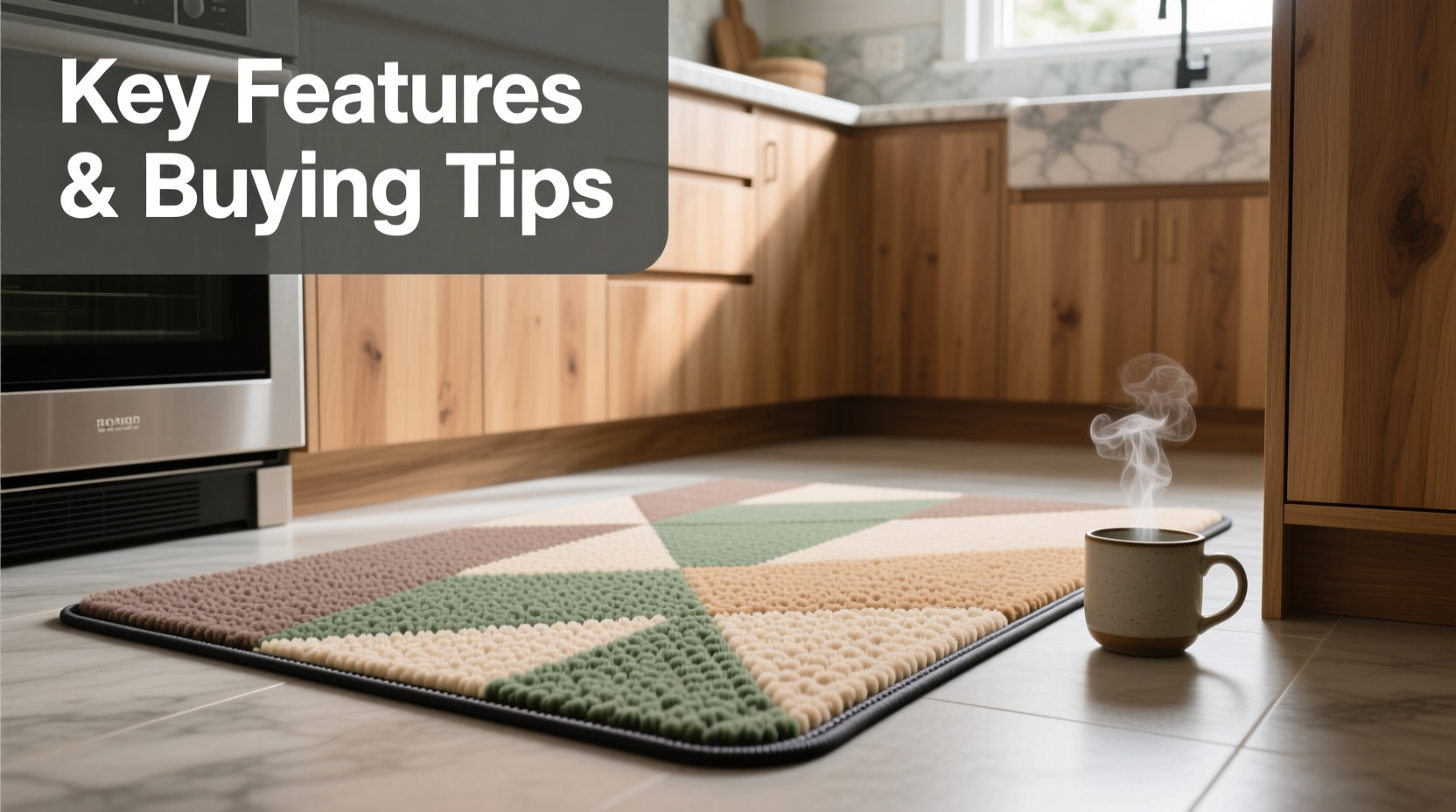
The kitchen floor is prone to frequent moisture exposure: splashed water from sinks, spilled drinks, wet footwear, and condensation from appliances. Without proper protection, these liquids can create slipping hazards and contribute to long-term floor damage, especially on hardwood or laminate surfaces.
A truly effective water absorbent mat quickly soaks up surface moisture, reducing puddles and improving traction underfoot. Unlike basic anti-fatigue mats that only offer cushioning, absorbent models are engineered with specialized fibers or foam layers designed to trap and retain liquid. This dual functionality—comfort and spill management—makes them essential for both safety and practicality.
“An absorbent kitchen mat isn’t just about comfort—it’s a functional tool for maintaining hygiene and preventing accidents in high-moisture areas.” — Sarah Lin, Home Safety Consultant
Key Features to Look For
Selecting the ideal mat involves evaluating several core features. Prioritize performance over appearance to ensure long-term satisfaction.
1. Material Composition
The fabric determines how well the mat absorbs water, resists odors, and holds up to daily wear. Common materials include:
- Cotton or microfiber blends: Highly absorbent, soft underfoot, and machine washable. Ideal for homes with frequent spills.
- Polyester with PU foam backing: Offers excellent cushioning and moderate absorption. Resists mildew when dried properly.
- Natural rubber with textile top: Provides superior grip and water resistance. Often used in commercial kitchens.
- Silicone: Waterproof, easy to wipe clean, and antimicrobial. Less absorbent but highly durable.
2. Absorption Capacity and Drying Time
A good mat should absorb at least 8–12 ounces of liquid per square foot. However, equally important is how fast it dries. Mats that stay damp for hours become breeding grounds for mold and bacteria. Look for quick-dry weaves or open-cell foam structures that promote airflow.
3. Non-Slip Base
No matter how absorbent a mat is, it must stay securely in place. The bottom layer should feature textured rubber, silicone dots, or a grippy pattern that adheres to tile, vinyl, or wood without scratching. Test product reviews for mentions of sliding during use.
4. Size and Shape Compatibility
Measure the space in front of your sink, stove, or island before purchasing. Standard sizes range from 17” x 28” to 20” x 36”, but custom lengths are available. Ensure there’s at least 6 inches of clearance around the mat to prevent tripping.
5. Ease of Cleaning
Kitchen mats accumulate dirt, grease, and food particles. Choose models labeled as machine washable (cold water, gentle cycle) or those that can be spot-cleaned with mild detergent. Mats with removable covers offer added convenience.
Comparison Table: Top Mat Types by Performance
| Material Type | Absorption Level | Cushioning | Slip Resistance | Washability | Durability (Avg. Lifespan) |
|---|---|---|---|---|---|
| Cotton/Microfiber + Foam | High | Moderate | Good | Machine washable | 1–2 years |
| Rubber + Polyester Top | Moderate | High | Excellent | Spot clean only | 3+ years |
| Memory Foam with Cover | Low-Moderate | Very High | Fair | Removable cover washable | 1–1.5 years |
| Silicone | Low (waterproof) | Low | Excellent | Wipe clean | 5+ years |
Step-by-Step Guide to Choosing Your Mat
- Assess your kitchen layout: Identify where you stand longest—usually near the sink or stove—and measure the available floor space.
- Evaluate your spill frequency: If you cook often or have kids, prioritize high-absorption materials like cotton blends.
- Check flooring type: On smooth tiles or vinyl, a rubber-backed mat prevents slipping. On textured floors, look for deep-grip patterns.
- Review cleaning preferences: If you dislike hand-washing, select a machine-safe option. For rental kitchens, consider low-maintenance silicone.
- Test for comfort: Press your thumb into sample mats—if they rebound slowly, they’ll support prolonged standing better.
- Read verified customer reviews: Look for feedback on odor development, edge fraying, and longevity beyond the first month.
Real-World Example: The Busy Family Kitchen
The Ramirez family in Portland upgraded their kitchen after repeated slips near the dishwasher. With two young children and frequent meal prep, puddles were common. They initially bought a thin foam mat for comfort but found it soaked through within days and began peeling at the edges. After researching, they switched to a 20” x 36” microfiber mat with a natural rubber base. It absorbed morning spills from cereal bowls and pet water dishes, stayed flat during rush-hour chaos, and went straight into the washer weekly. Six months later, it shows minimal wear and has reduced fatigue complaints from both parents.
Common Mistakes to Avoid
- Choosing style over function: A colorful mat may match your décor, but if it lacks grip or absorbs poorly, it becomes a hazard.
- Ignoring thickness: Mats thinner than ½ inch offer little cushioning; those thicker than ¾ inch may interfere with cabinet doors or chair movement.
- Forgetting ventilation: Never place an absorbent mat directly against a wall or under a closed cabinet. Airflow prevents trapped moisture and mildew.
- Skipping maintenance: Even washable mats need regular cleaning. Letting spills sit breeds bacteria and weakens fibers.
Buying Checklist: Your Decision-Making Tool
Before purchasing, confirm the following:
- ✅ Measured the intended space accurately
- ✅ Chose a material suited to your kitchen’s moisture level
- ✅ Verified non-slip base compatibility with your flooring
- ✅ Confirmed cleaning method fits your routine
- ✅ Checked weight capacity (especially for heavier users)
- ✅ Read at least five recent user reviews focusing on durability
Frequently Asked Questions
Can I use a bathroom rug in the kitchen?
Not ideally. Bathroom rugs are designed for slower, predictable moisture (like stepping out of the shower), while kitchen mats face sudden spills, heat exposure, and food debris. Kitchen-specific mats are treated for stain resistance and faster drying.
How often should I replace my kitchen mat?
With proper care, most quality absorbent mats last 1–3 years. Replace yours if it develops persistent odors, fails to dry within 24 hours, shows visible mold, or no longer lies flat.
Are memory foam mats safe for kitchens?
Only if they have a waterproof backing and removable, washable cover. Pure memory foam absorbs water poorly and breaks down quickly when exposed to repeated moisture.
Final Thoughts: Invest in Comfort and Safety
A water absorbent kitchen mat is more than a decorative accessory—it's a practical investment in your home’s safety, cleanliness, and ergonomic comfort. By focusing on material integrity, fit, and maintenance needs, you can find a mat that supports your daily routine without constant replacement. Don’t compromise on grip or absorption just for color or price. The best mats blend functionality with resilience, offering quiet comfort underfoot while handling the messiness of real life.




 浙公网安备
33010002000092号
浙公网安备
33010002000092号 浙B2-20120091-4
Comments
No comments yet. Why don't you start the discussion?