
Traveling light doesn’t mean sacrificing access or safety. As more travelers embrace minimalist packing and hands-free mobility, the wrist bag has emerged as a smart, stylish alternative to bulky crossbody or shoulder bags. Compact, secure, and always within reach, a well-chosen wrist bag keeps essentials close without weighing you down. But not all wrist bags are created equal. The right one must balance design, durability, and functionality—especially in unpredictable environments like airports, city streets, or crowded markets.
From material quality to strap comfort and anti-theft features, every detail matters when selecting a wrist bag for travel. This guide breaks down what to look for, how to test fit and function, and why certain designs outperform others on the road.
Understand Your Travel Needs First
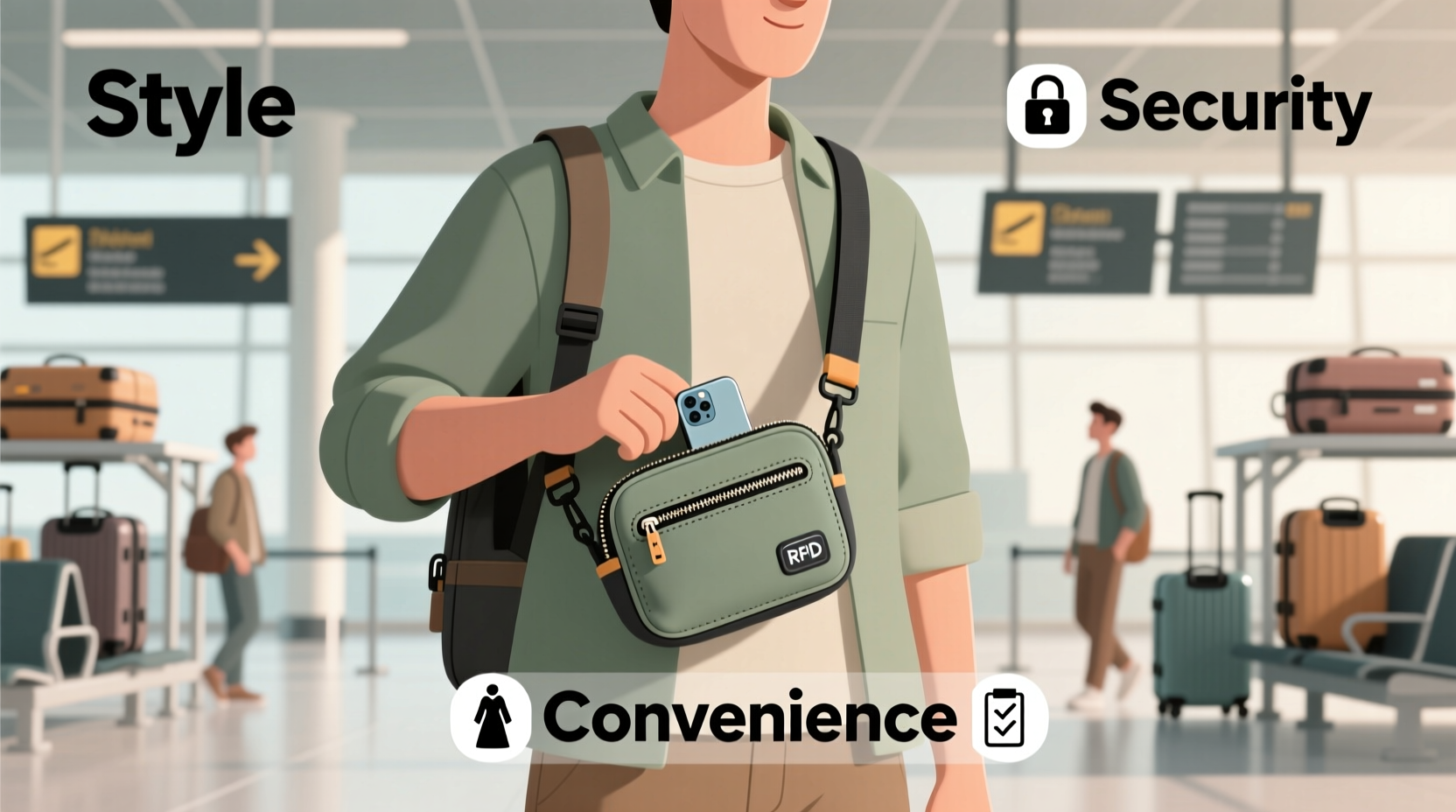
Before evaluating materials or styles, define how you’ll use the wrist bag. Are you navigating European train stations with a carry-on? Exploring narrow alleys in Southeast Asia? Or attending conferences where quick access to your phone and ID is essential?
A weekend city trip demands different features than long-term backpacking. Consider:
- Duration: Short trips may only require storage for phone, cards, and keys. Longer journeys might need space for earbuds, lip balm, or a small power bank.
- Destination: High-theft areas call for hidden zippers and RFID protection. Humid climates favor water-resistant fabrics.
- Activity Level: Hiking or biking? You’ll want a snug, bounce-free fit. Urban walking allows for slightly looser styling.
Key Features of an Ideal Travel Wrist Bag
The best wrist bags combine thoughtful engineering with everyday usability. Prioritize these core features when shopping:
Durable, Weather-Resistant Materials
Look for ripstop nylon, waxed canvas, or treated polyester. These resist abrasions, repel light rain, and dry quickly. Genuine leather offers timeless style but requires maintenance and can stain if exposed to moisture.
Secure Closure Systems
Zippers are safer than flap closures, especially if they’re reverse-coil (hidden teeth) or lockable. Magnetic snaps are convenient but less secure in crowds. Internal zipper pockets add another layer of theft resistance.
Ergonomic Strap Design
The strap should wrap comfortably around the wrist without digging in. Adjustable straps accommodate different wrist sizes and allow wear on the forearm if needed. Padding helps during extended wear, but adds bulk—choose based on your tolerance.
RFID Protection
If you carry contactless credit cards or e-passports, opt for a compartment lined with RFID-blocking material. It prevents unauthorized scanning in transit hubs or busy plazas.
Low-Profile Silhouette
A sleek, flat design is less likely to attract attention than a bulky pouch. It also fits easily under jackets or inside larger bags when not in use.
“Security starts with visibility and accessibility. A wrist bag that sits flush against your body and opens away from crowds reduces risk significantly.” — Lena Torres, Travel Safety Consultant
Material Comparison: Pros and Cons
| Material | Pros | Cons |
|---|---|---|
| Ripstop Nylon | Lightweight, tear-resistant, water-repellent | Can feel synthetic; limited aesthetic range |
| Waxed Canvas | Durable, develops patina, naturally weather-resistant | Heavier; requires occasional re-waxing |
| Genuine Leather | Timeless look, ages well, premium feel | Pricier; absorbs moisture; needs conditioning |
| Recycled Polyester | Eco-friendly, often water-resistant, affordable | Less durable than nylon; may degrade in UV light |
Step-by-Step: How to Test a Wrist Bag Before Buying
Even online shoppers can evaluate suitability. Follow this checklist before finalizing your purchase:
- Check Dimensions: Measure your phone and compare it to the listed interior size. Add 1–2 cm buffer for smooth insertion.
- Simulate Wear: Wrap a cord or belt around your wrist at the same length as the product’s strap. Wear it for 20 minutes while moving around.
- Load It Up: Place your typical items inside—phone, wallet, keys—and test access speed. Can you retrieve your phone one-handed?
- Assess Opening Direction: When worn, does the zip open toward your body (safer) or outward (exposed)?
- Review Return Policy: Buy from retailers offering returns in case fit or function doesn’t meet expectations.
Real-World Example: A Solo Traveler in Barcelona
Sophie, a digital nomad visiting Barcelona for ten days, opted for a compact waxed canvas wrist bag after her previous crossbody was snatched near La Rambla. She chose a model with a hidden rear zipper, RFID pocket, and adjustable strap.
During her trip, she kept her phone, metro card, and emergency cash inside. The bag stayed securely on her wrist while riding scooters, ordering tapas, and boarding trains. When entering crowded areas, she rotated the bag to face inward. No incidents occurred, and she praised the ease of access compared to fumbling through a larger tote.
“It felt like an extension of my hand,” she said. “I wasn’t worried about pickpockets, and I never had to stop walking to check my bag.”
Essential Checklist Before Purchase
Use this list to ensure your wrist bag meets travel-ready standards:
- ✅ Fits your smartphone vertically or horizontally without strain
- ✅ Has at least one secure main compartment with zipper
- ✅ Includes an internal slot or pocket for cards or folded bills
- ✅ Strap adjusts to fit wrists between 6–8.5 inches (15–22 cm)
- ✅ Made from water-resistant or quick-drying fabric
- ✅ Offers RFID protection if storing contactless cards
- ✅ Weighs under 150 grams (5.3 oz) empty
- ✅ Seam stitching appears reinforced, not frayed
Frequently Asked Questions
Can a wrist bag replace a crossbody or sling bag?
For minimalists, yes. If you only carry phone, ID, cash, and one card, a wrist bag is sufficient for day trips or transit. However, it lacks capacity for larger items like sunglasses, snacks, or a compact umbrella. Many travelers use it as a secondary “grab-and-go” pouch alongside a primary bag.
Are wrist bags safe in high-theft areas?
They can be—if chosen wisely. Models with slash-proof straps, locking zippers, and body-facing openings perform best. Avoid dangling designs with loose flaps. Always wear the bag on the arm closest to buildings, not street-facing, and keep it in front when seated.
How do I clean a wrist bag?
Spot clean with a damp cloth and mild soap. For nylon or polyester, use a soft brush for stains. Never machine wash unless specified by the manufacturer. Leather should be conditioned periodically with appropriate products. Allow full air drying—never use direct heat.
Final Thoughts: Style Meets Smart Functionality
The perfect wrist bag isn’t just fashionable—it’s functional armor for your essentials. It eliminates the tug-of-war between convenience and caution, giving you peace of mind while keeping your hands free. Whether you're weaving through Tokyo subways or strolling coastal villages, the right wrist bag becomes an invisible ally.
Don’t settle for compromise. Invest time in selecting a model that aligns with your travel habits, body mechanics, and security needs. Once you find it, you may never go back to bulky alternatives.




 浙公网安备
33010002000092号
浙公网安备
33010002000092号 浙B2-20120091-4
Comments
No comments yet. Why don't you start the discussion?