
Selecting the right backpack is more than just picking a trendy design or favorite color. For high school students, who often carry heavy loads of textbooks, laptops, notebooks, and personal items daily, the backpack becomes an essential tool — one that can either support their health or contribute to physical strain. A poorly sized or improperly designed bag can lead to back pain, shoulder discomfort, poor posture, and even long-term musculoskeletal issues. The key lies in choosing the right backpack size tailored to the student’s body, daily load, and lifestyle. This guide breaks down the critical factors in selecting a properly fitting backpack, offers actionable comfort tips, and provides real-world insights to help parents and students make informed decisions.
Understanding Backpack Sizing: Why It Matters
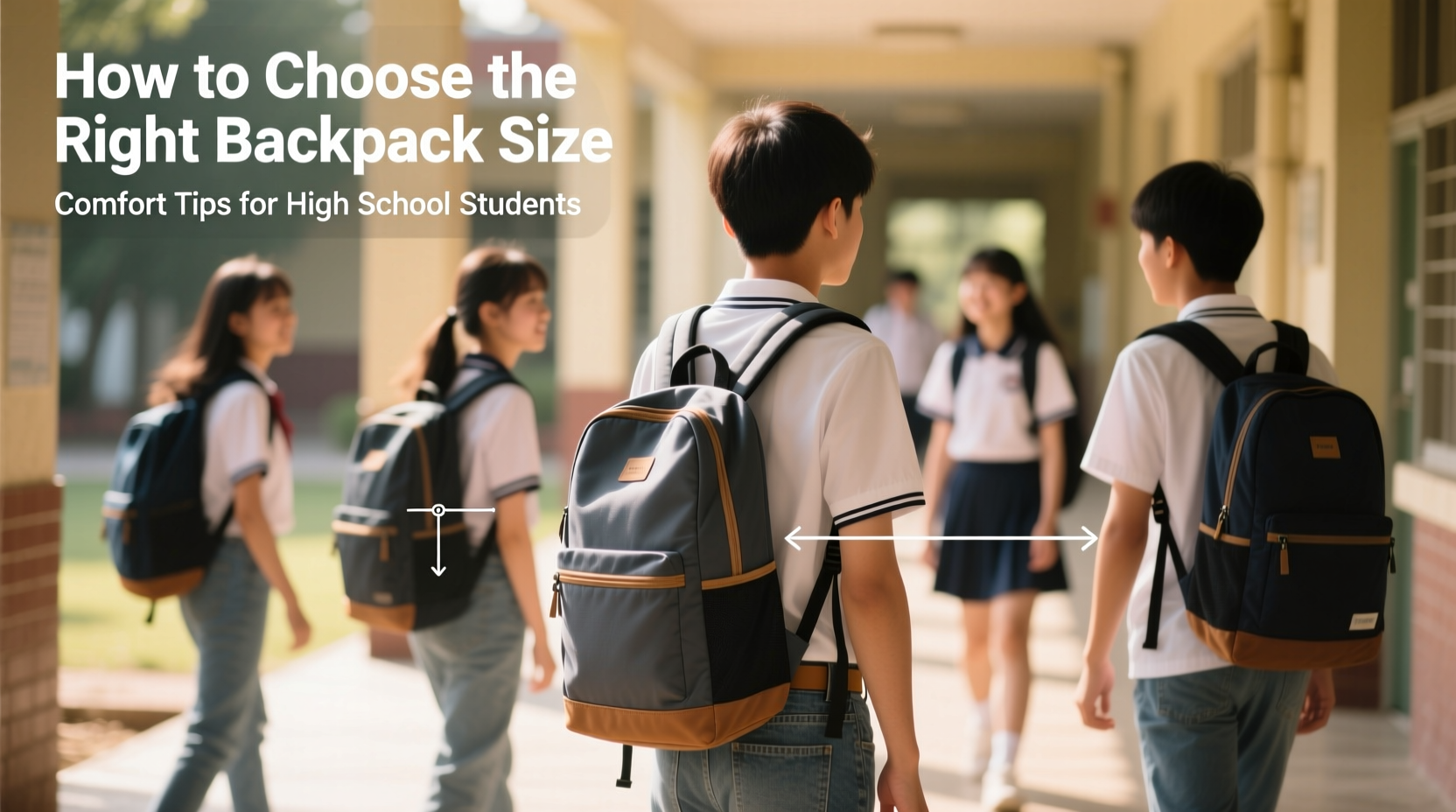
Backpack sizing isn’t standardized across brands, which means a “medium” from one manufacturer may fit like a “large” from another. Instead of relying solely on volume (measured in liters), focus on dimensions relative to the student’s torso length and overall height. A backpack that’s too large will hang below the hips, shifting the center of gravity downward and forcing the wearer to lean forward. One that’s too small won’t accommodate necessary items, leading to overstuffing and pressure points.
The ideal backpack should sit snugly between the shoulders and the waist, with its bottom no more than two inches below the top of the hip bones. This ensures weight is transferred efficiently through the hips — the body’s strongest load-bearing structure — rather than placing undue stress on the spine and shoulders.
Step-by-Step Guide to Choosing the Right Size
- Measure the student’s torso length. Have them stand straight and locate the C7 vertebra — it protrudes slightly when they bend their head forward. From there, measure down to the iliac crest (top of the hip bone). Most manufacturers categorize backpacks as follows:
- Small: 14–16 inches
- Medium: 16–18 inches
- Large: 18–20+ inches
- Determine daily load capacity. Estimate the number of textbooks, devices, water bottles, and other essentials carried each day. A typical high school load ranges from 15 to 30 pounds. Choose a backpack with a volume between 20 and 30 liters to balance space and manageability.
- Try before you buy. If purchasing in-store, have the student wear the backpack while loaded with books. Adjust straps and assess fit. Online buyers should check return policies and refer to brand-specific sizing charts.
- Evaluate compartment layout. Multiple compartments help distribute weight evenly. Look for a dedicated laptop sleeve, front organizer pockets, and a main compartment that allows vertical stacking of books.
- Test adjustability. Ensure the backpack has load-lifter straps, sternum straps, and a hip belt. These features allow fine-tuning of fit and reduce shoulder strain.
Comfort Features That Make a Difference
Size alone doesn’t guarantee comfort. The design and materials used play a crucial role in long-term wearability. Consider these features when evaluating options:
- Padded shoulder straps: Wide, contoured straps (at least 2 inches) reduce pressure on the shoulders and prevent digging.
- Back panel ventilation: Mesh padding or air channels minimize sweating and improve airflow, especially during walks between classes.
- Hip belt: Transfers up to 80% of the weight from shoulders to hips, significantly reducing upper body fatigue.
- Chest strap: Stabilizes the pack and prevents shoulder straps from slipping, particularly helpful for active students.
- Compressible design: Allows the backpack to shrink as contents are removed, maintaining a close fit throughout the day.
“Ergonomic design isn’t a luxury — it’s a necessity for adolescents whose bodies are still developing. A well-fitted backpack supports spinal alignment and reduces the risk of chronic pain.” — Dr. Lena Peterson, Pediatric Physical Therapist
Do’s and Don’ts: Backpack Selection Checklist
| Do’s | Don’ts |
|---|---|
| Choose adjustable straps for growing teens | Avoid single-strap messenger bags for daily textbook use |
| Prioritize lightweight materials (e.g., ripstop nylon) | Don’t select oversized packs “to grow into” |
| Look for reinforced stitching at stress points | Avoid flimsy zippers or thin fabric that tears easily |
| Ensure easy access to frequently used items | Don’t ignore weight distribution — top-heavy packs strain the neck |
| Opt for reflective details for safety during early/late commutes | Avoid overly decorative designs that compromise function |
Real-World Example: Sarah’s Backpack Journey
Sarah, a 10th grader at Lincoln High, started experiencing frequent shoulder pain and headaches by mid-semester. Her mother noticed she was leaning forward while walking and often adjusted her backpack repeatedly. After a visit to a physical therapist, it was discovered that Sarah’s 35-liter backpack was too large for her 5’2” frame and hung nearly six inches below her waist. Additionally, the narrow straps dug into her shoulders, and she wasn’t using the hip belt because “it felt awkward.”
Her therapist recommended switching to a 22-liter ergonomic pack with proper torso fit. Sarah chose a model with padded straps, a breathable back panel, and a supportive hip belt. Within two weeks of consistent use — and learning how to adjust the straps correctly — her pain diminished significantly. She also began using a digital notebook to reduce paper load, further lightening her daily carry.
This case highlights how both size and usage habits impact comfort. Even the best backpack fails if worn incorrectly or overloaded unnecessarily.
Maximizing Comfort: Daily Usage Tips
Choosing the right backpack is only half the battle. How it’s used every day determines its impact on physical well-being. Follow these practical tips to maintain comfort and prevent strain:
- Use both straps always. Wearing one strap shifts weight unevenly, causing muscle imbalances and postural deviation.
- Adjust straps regularly. As the student grows or seasonal clothing changes (e.g., thick winter coats), re-adjust the shoulder, chest, and hip straps for optimal fit.
- Pack heavier items closest to the back. Place textbooks and binders near the spine to keep the center of gravity tight and stable.
- Utilize all compartments. Distribute weight evenly — avoid stuffing everything into the main pocket.
- Encourage locker use. If available, store non-essential books or supplies between classes to reduce daily load.
- Switch to digital when possible. E-books, note-taking apps, and cloud storage can dramatically lighten physical burden.
“We see a spike in adolescent back pain cases every fall. Many stem from improper backpack use. Educating students early can prevent years of discomfort.” — Dr. Marcus Tran, Orthopedic Specialist at Metro Youth Clinic
Frequently Asked Questions
How do I know if a backpack fits properly?
A properly fitted backpack sits 1–2 inches above the waistline, with shoulder straps snug but not tight. The bottom should not extend below the lower back. When worn, the student should stand upright without leaning forward or hiking their shoulders.
Can a backpack affect posture?
Yes. Carrying excessive weight or using a poorly fitted backpack can lead to rounded shoulders, forward head posture, and spinal misalignment. Over time, these postural changes may become habitual and difficult to correct without intervention.
Are rolling backpacks a good alternative?
Rolling backpacks can be beneficial for students carrying very heavy loads, especially those with pre-existing back or joint conditions. However, they may not be allowed in some schools due to hallway congestion, and they’re less practical on stairs or uneven terrain. If used, ensure the student still has a traditional backpack option for days when wheels aren’t feasible.
Conclusion: Invest in Health, Not Just Style
Choosing the right backpack size for a high school student isn’t about following trends — it’s an investment in their physical health and academic comfort. With the right fit, supportive features, and smart usage habits, a backpack can seamlessly integrate into daily life without causing strain. Parents and students should treat this decision with the same seriousness as selecting proper footwear or ergonomic furniture. By measuring torso length, prioritizing adjustability, and encouraging responsible packing habits, it’s possible to prevent discomfort before it starts.




 浙公网安备
33010002000092号
浙公网安备
33010002000092号 浙B2-20120091-4
Comments
No comments yet. Why don't you start the discussion?