
Selecting the right backpack is one of the most critical decisions a hiker can make. A poorly sized pack can turn even the most scenic trail into a painful ordeal. Discomfort, chafing, poor balance, and fatigue often stem not from lack of fitness, but from using a backpack that doesn’t match your body or trip needs. The ideal backpack supports your load efficiently, fits snugly without pressure points, and allows freedom of movement across varied terrain. Size matters—but it’s not just about volume in liters. It’s about torso length, hip support, load distribution, and trip duration. Understanding how these factors interact ensures you hike farther, feel better, and enjoy every step.
Understand Backpack Volume: What Capacity Do You Really Need?
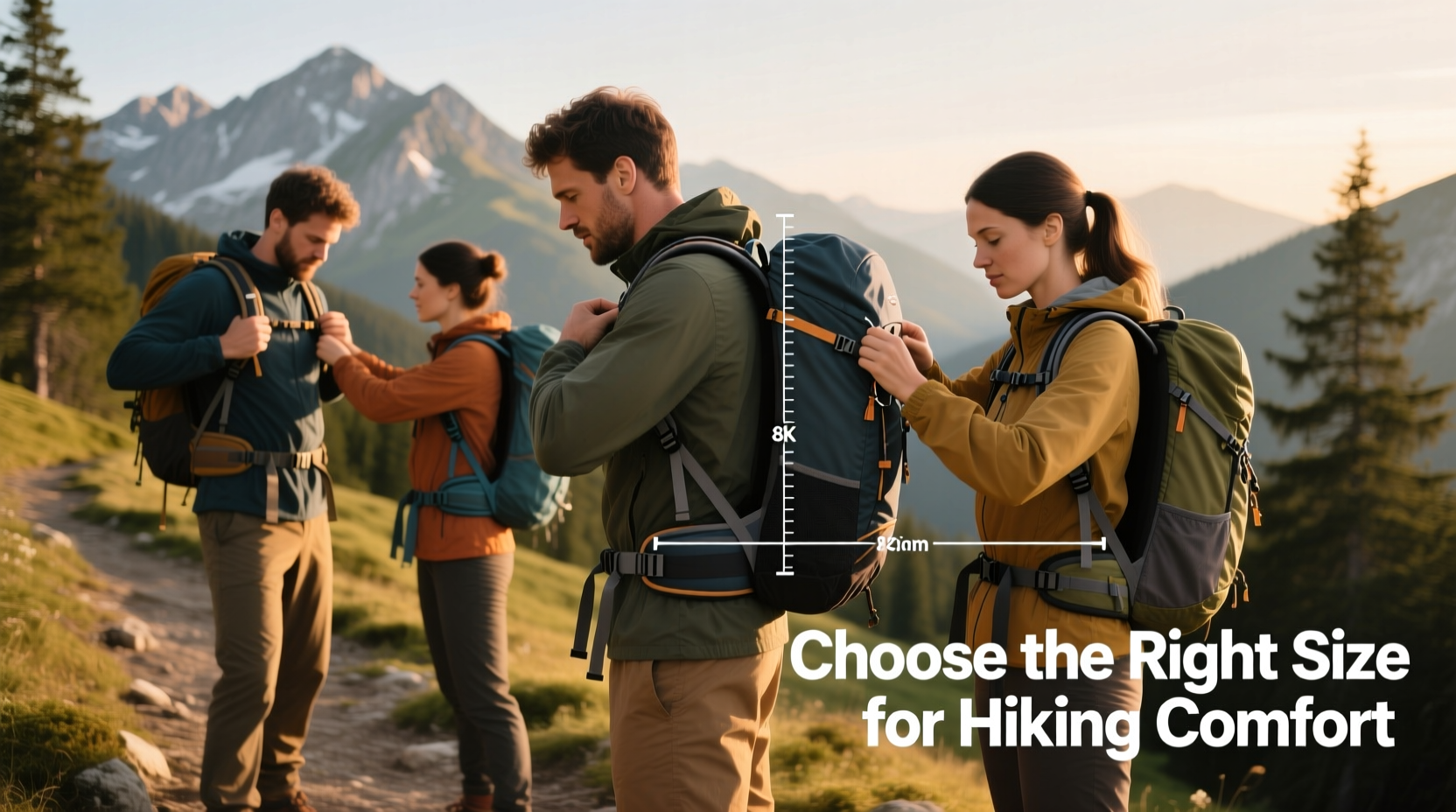
Backpacks are typically categorized by volume in liters—ranging from under 30L daypacks to over 70L expedition models. Choosing the right capacity starts with assessing the length and nature of your hike. Too small, and you’ll be forced to cut essentials; too large, and you’ll carry unnecessary weight or experience poor weight distribution.
| Trip Duration | Recommended Volume | What Fits |
|---|---|---|
| Day hikes (under 12 hours) | 20–35 liters | Water, snacks, rain jacket, first aid, map, phone |
| Weekend trips (1–2 nights) | 35–50 liters | Sleeping bag, lightweight tent, cooking gear, extra clothing |
| Multi-day hikes (3–5 nights) | 50–65 liters | Full camping setup, food for several days, layered clothing |
| Extended expeditions (6+ nights) | 65–80+ liters | Bulkier gear, cold-weather clothing, resupply items |
A common mistake is overpacking a smaller bag or underutilizing a massive one. A 75-liter pack on a two-night trip encourages excess weight, which strains your back and knees. Conversely, stuffing five days of gear into a 40-liter pack compromises safety and comfort. Match the volume to your itinerary—not to what your friend uses or what’s on sale.
Fit Matters More Than Volume: Matching Torso Length and Hip Belt
No matter the listed capacity, a backpack must fit your body correctly. Two key measurements determine this: torso length and hip size. These are independent of height and weight—two people of the same height can have different torso lengths.
To measure your torso length, tilt your head forward until it touches your chest. Locate the C7 vertebra—the prominent bump at the base of your neck. From there, run a flexible tape measure down your spine to the top of your hip bones (iliac crest). This distance is your torso length. Most packs come in small, medium, and large torso fits, usually ranging from 14 to 22 inches.
The hip belt is arguably more important than shoulder straps. Up to 80% of a backpack’s weight should rest on your hips, not your shoulders. When trying on a pack, ensure the hip belt wraps snugly around your iliac crest, not your waist. It should sit just above your hip bones and have padding that conforms without digging in. Adjustable belts offer flexibility, especially if borrowing or sharing packs.
“Proper fit isn’t luxury—it’s function. A well-fitted backpack reduces injury risk and increases endurance.” — Dr. Lena Reyes, Outdoor Ergonomics Researcher, University of Colorado
Step-by-Step Guide to Fitting a Backpack In-Store or at Home
- Measure your torso length using the C7-to-hip method described above.
- Try on packs labeled for your torso range. Don’t rely solely on S/M/L tags—brands vary widely.
- Load the pack with 15–20 pounds of weight (use books or weights).
- Fasten the hip belt so the center sits just above your hip bones. It should bear most of the weight.
- Adjust the shoulder straps so they follow the contour of your shoulders without lifting at the top.
- Engage the load-lifter straps (from top of shoulder straps to frame) to pull weight closer to your back.
- Walk around, climb stairs, or simulate trail movements. Check for bounce, shifting, or pressure points.
- Ensure the sternum strap positions the shoulder straps comfortably and stabilizes side-to-side motion.
If the pack rides high above your shoulders or sags below your hips, it’s the wrong size. A good fit feels balanced, almost invisible after adjustment.
Load Distribution and Frame Type: Internal vs. External
The backpack’s internal structure influences how weight is carried and how stable it feels on uneven ground. There are three main types: internal frame, external frame, and frameless.
- Internal frame packs are the most common today. They feature a rigid or semi-rigid frame inside the fabric, keeping the load close to your back. This improves balance and agility on technical trails. Best for most backpackers, especially those on narrow or rocky paths.
- External frame packs position the load farther from your back, creating airflow and allowing heavier loads (60+ lbs) to be carried more comfortably over long distances. Often used in hunting, mountaineering, or hot climates where ventilation matters. However, they’re bulkier and less stable on steep or uneven terrain.
- Frameless packs lack structural support and depend entirely on packing technique. Suitable only for ultralight backpackers carrying under 20 lbs on short trips.
For most hikers, an internal frame offers the best compromise between support, stability, and comfort. Look for adjustable suspension systems that let you fine-tune the fit as conditions change.
Real-World Example: Sarah’s Weekend Hike Gone Wrong
Sarah, an experienced day hiker, decided to tackle her first overnight trail in the Sierra Nevada. Excited but unprepared, she borrowed a 70-liter backpack from her brother—built for weeklong treks. Her own torso measured 16 inches, but the pack was sized for 19–21 inches. She didn’t notice during the short car ride to the trailhead.
Within two miles, the pack began shifting with each step. The hip belt rode above her hips, forcing all weight onto her shoulders. By mile four, she had numbness in her left arm and sharp pain between her shoulder blades. She stopped frequently to readjust, but the pack never stayed in place. Forced to shorten her trip, she returned early—discouraged and sore.
After consulting a gear specialist, she learned the importance of torso-specific fitting. She purchased a 55-liter pack with a medium frame and custom-adjustable hip belt. On her next trip, she completed a full 12-mile loop with ease. The difference wasn’t strength—it was fit.
Sarah’s story highlights a common issue: borrowing or buying gear without proper fitting leads to avoidable discomfort. Even high-end packs fail when mismatched to the user’s anatomy.
Packing Strategy: How Load Placement Affects Comfort
Even a perfectly sized and fitted backpack becomes uncomfortable if packed incorrectly. How you distribute weight inside the bag impacts balance, posture, and strain.
Follow these principles for optimal load management:
- Heavy items near the back and center: Place your sleeping bag, food, and cooking gear close to your spine and midway up the pack. This keeps the center of gravity aligned with your body.
- Lightweight items at the bottom: Use the lower compartment for items like extra clothes or your tent (if not strapped outside).
- Frequently used items on top or in easy-access pockets: Rain jacket, snacks, map, headlamp—these should be reachable without unpacking everything.
- Bulky but light items fill dead space: Jackets or sleeping pads can go at the bottom or in outer compression pockets to maintain shape.
- Use compression straps: Once packed, tighten side and front straps to eliminate sway and stabilize the load.
A loosely packed bag shifts with every step, forcing your muscles to compensate. A tightly packed, well-balanced load moves as an extension of your body.
Checklist: How to Choose the Right Backpack Size
Before purchasing or heading out, verify these key points:
- ✅ Determine trip duration and select volume accordingly (20–35L for day hikes, 50–65L for multi-day).
- ✅ Measure your torso length accurately (C7 vertebra to iliac crest).
- ✅ Try on packs with weight—never judge fit empty.
- ✅ Ensure the hip belt sits on your hip bones, not your waist.
- ✅ Confirm shoulder straps don’t pinch or lift away from shoulders.
- ✅ Adjust load-lifter straps so the top of the pack pulls slightly inward toward your head.
- ✅ Test walk with the loaded pack for at least 10 minutes.
- ✅ Choose internal frame for most trails; consider external for heavy or hot-weather loads.
- ✅ Pack strategically: heavy items close to your back and centered.
Frequently Asked Questions
Can I use a large backpack for short hikes?
You can, but it’s not ideal. Oversized packs are harder to balance when underfilled, often leading to sway and poor posture. They also encourage overpacking. For day hikes, a dedicated daypack offers better agility and comfort.
How tight should the hip belt be?
Tight enough that it carries the majority of the weight without slipping, but not so tight that it restricts breathing or circulation. You should be able to fit one finger under the padding to check snugness. If you feel pressure on your stomach or bladder, it’s too low or too tight.
Do women need special backpacks?
Many brands offer women-specific models designed for shorter torsos, narrower shoulders, and wider hips. While not mandatory, these adjustments often improve fit and comfort significantly. Women should still prioritize torso length and hip measurement over gender labeling.
Final Thoughts: Comfort Is a Calculated Choice
Hiking should challenge your spirit, not punish your body. The right backpack size isn’t about brand prestige or maximum capacity—it’s about intelligent alignment between your physiology, your journey, and your gear. Investing time in measuring, trying, and adjusting pays dividends in every mile you cover. Whether you’re walking forest trails or summiting alpine ridges, a well-chosen pack transforms burden into rhythm, letting you move with confidence and ease.




 浙公网安备
33010002000092号
浙公网安备
33010002000092号 浙B2-20120091-4
Comments
No comments yet. Why don't you start the discussion?