
Cleansing your face is more than just a routine—it’s the foundation of healthy skin. With the growing popularity of facial cleansing brushes, many people are turning to mechanical exfoliation to achieve a deeper clean than manual washing allows. However, not all brushes are created equal, and one of the most overlooked yet critical factors in choosing the right tool is bristle firmness. Using the wrong firmness can lead to redness, dryness, micro-tears, or even long-term sensitivity. For those with delicate or reactive skin, selecting an appropriate bristle type isn’t optional—it’s essential.
The key lies in understanding your skin’s unique needs and matching them with the correct level of abrasiveness. While firmer bristles may seem effective at removing oil and debris, they can be too harsh for sensitive complexions. Conversely, ultra-soft bristles might not provide enough exfoliation for oily or acne-prone types. This guide breaks down how to assess your skin’s tolerance, decode bristle categories, and make an informed decision that supports both cleanliness and comfort.
Understanding Skin Sensitivity Levels
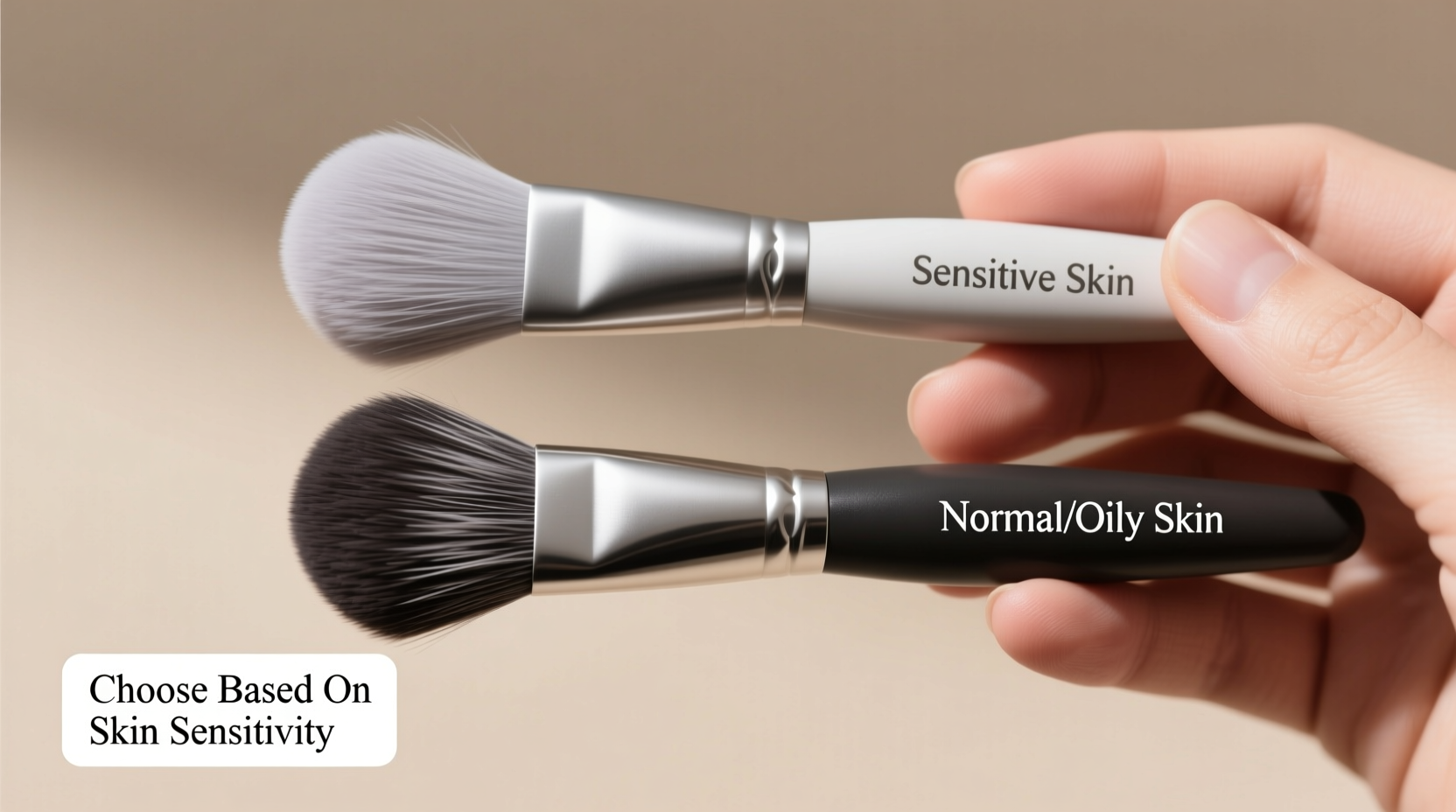
Skin sensitivity isn’t a single condition—it exists on a spectrum. Some individuals experience mild reactivity only under certain conditions (like seasonal changes), while others deal with chronic issues such as rosacea, eczema, or dermatitis. Recognizing where you fall on this scale is the first step toward choosing the right facial brush.
Common signs of sensitive skin include:
- Redness or flushing after cleansing
- Tightness or stinging when applying products
- Burning sensation during or after using exfoliants
- Frequent breakouts or rashes from new skincare tools
- Dry patches or peeling without obvious cause
If any of these sound familiar, your skin likely falls into the sensitive or very sensitive category. On the other hand, if your skin tolerates strong actives like retinol, glycolic acid, or physical scrubs without issue, you may have normal to resilient skin that can handle slightly firmer bristles.
Types of Bristle Firmness and Their Uses
Facial cleansing brushes typically come in three main bristle firmness levels: soft, medium, and firm. Each serves a different purpose and suits specific skin types. Understanding what each offers helps prevent over-exfoliation or ineffective cleansing.
| Firmness Level | Suitable For | Texture Characteristics | Risks If Misused |
|---|---|---|---|
| Soft | Sensitive, dry, mature, or reactive skin | Ultra-fine, flexible fibers; barely perceptible resistance | Minimal risk; may feel insufficient for oily skin |
| Medium | Normal, combination, or resilient skin | Smooth but structured; slight resistance during use | Mild irritation if used daily on sensitive areas |
| Firm | Oily, acne-prone, or thick skin (rarely recommended) | Stiff, densely packed; noticeable scrubbing effect | Micro-abrasions, barrier damage, increased sensitivity |
It’s worth noting that \"firm\" bristles are rarely necessary for facial use. Most dermatologists advise against them due to the high potential for damaging the skin's protective lipid barrier. Even users with oily skin often benefit more from chemical exfoliants than aggressive mechanical ones.
“Over-scrubbing with stiff bristles disrupts the skin barrier, leading to inflammation and dehydration—even in oily skin types.” — Dr. Lena Patel, Board-Certified Dermatologist
How to Match Your Skin Type with the Right Brush
Choosing the correct bristle firmness starts with honest self-assessment. Consider not only your baseline skin type but also current conditions such as flare-ups, sun exposure, or active treatments (e.g., prescription retinoids).
Dry or Sensitive Skin
Individuals with dry or easily irritated skin should opt exclusively for soft-bristled brushes. These are designed to remove surface impurities without stripping natural oils. Look for terms like “dermatologist-tested,” “hypoallergenic,” or “for sensitive skin” on packaging. Avoid rotating heads or high-speed settings, which increase friction.
Oily or Acne-Prone Skin
While it might be tempting to reach for a firmer brush to combat shine and clogged pores, moderation is crucial. A medium-soft brush used 2–3 times per week is often sufficient. Pair it with a salicylic acid cleanser for enhanced pore-clearing effects without relying solely on mechanical action.
Combination Skin
This common skin type features both oily zones (T-zone) and drier cheeks. A medium-firmness brush used gently across the entire face—or selectively applied to oilier areas—can work well. Monitor how your skin responds: if flakiness appears on the cheeks, reduce frequency or switch to softer bristles.
Mature Skin
Aging skin tends to thin and lose elasticity, making it more vulnerable to trauma. Soft bristles help maintain circulation and product absorption without causing redness. Avoid vigorous motions; instead, use light circular glides to support lymphatic drainage.
Step-by-Step Guide to Testing and Using a New Face Brush
Introducing a facial brush into your routine requires patience and observation. Follow this timeline to ensure compatibility with your skin’s sensitivity level:
- Week 1 – Observation Mode: Use the brush once, focusing on gentle pressure and short duration (no more than 30 seconds). Wait 24 hours to assess for redness, tightness, or itching.
- Week 2 – Gradual Integration: If no reaction occurred, try using it twice, spaced at least three days apart. Stick to the lowest speed setting and a non-foaming, fragrance-free cleanser.
- Week 3 – Frequency Adjustment: Evaluate results. If skin feels smoother and looks clearer, consider increasing to 2–3 uses weekly. If irritation arises, discontinue use or downgrade to a softer head.
- Ongoing Maintenance: After six weeks, reassess based on seasonal changes or shifts in skincare regimen. Humidity, heating systems, or new serums can alter your skin’s tolerance.
Always apply the brush to dampened skin with plenty of cleanser—never dry scrub. Move in small circles, avoiding the eye area and any regions with active breakouts or lesions.
Real-Life Example: Navigating Sensitivity After Retinoid Use
Consider Sarah, a 34-year-old marketing executive who began using tretinoin for mild acne and early signs of aging. Within weeks, her skin became noticeably thinner and more reactive. She decided to incorporate a facial brush she’d seen advertised for “deep pore cleansing.” After just two uses with a medium-firm brush, her cheeks developed persistent redness and flaking.
She consulted a dermatologist, who advised discontinuing both the brush and active ingredients temporarily. Once her barrier recovered, she reintroduced cleansing with a silicone-tipped soft brush, using it only twice a week. Over time, she noticed improved texture without irritation. Her experience underscores a vital lesson: even previously tolerant skin can become sensitive due to treatment, requiring adjustments in tools and technique.
Checklist: Choosing the Right Bristle Firmness
Before purchasing or using a facial cleansing brush, run through this checklist to ensure compatibility with your skin’s sensitivity:
- ✅ Identify your current skin type and any recent changes (e.g., dryness from weather or medication)
- ✅ Review product labels for bristle firmness—avoid vague terms like “gentle” without specifics
- ✅ Choose soft bristles if you have rosacea, eczema, or use prescription topicals
- ✅ Limit use to 2–3 times per week unless directed otherwise by a skincare professional
- ✅ Start with the lowest intensity setting and minimal pressure
- ✅ Monitor for signs of over-exfoliation: redness, stinging, tightness, or increased breakouts
- ✅ Replace brush heads regularly to prevent bacterial buildup and maintain optimal performance
Frequently Asked Questions
Can I use a firm-bristled brush if I have oily skin?
It’s generally not recommended. Oily skin doesn’t require aggressive scrubbing. In fact, harsh brushing can stimulate sebum production as a defense mechanism. Instead, combine a soft or medium-soft brush with beta-hydroxy acids (like salicylic acid) for safer, more effective oil control.
Are sonic brushes gentler than rotating ones?
Yes, in most cases. Sonic brushes vibrate thousands of times per minute without significant lateral movement, reducing friction and shear force on the skin. Rotating brushes, especially older models, can tug at delicate tissue and increase the risk of micro-tears—particularly with firmer bristles.
What should I do if my skin reacts badly to a face brush?
Stop using the device immediately. Switch to a soft cloth or hands-only cleansing for at least one week. Introduce soothing ingredients like ceramides, colloidal oatmeal, or panthenol to repair the barrier. Reintroduce mechanical cleansing gradually, starting with a softer brush head and less frequent use.
Final Thoughts: Prioritize Skin Health Over Perceived Cleanliness
In the pursuit of flawless skin, it’s easy to equate intensity with efficacy. But true skincare wisdom lies in balance—not in how much you remove, but in how well you preserve. The right bristle firmness respects your skin’s biological limits while enhancing its natural functions. Whether you’re managing sensitivity, fighting breakouts, or simply maintaining a clear complexion, the best choice is one that leaves your skin feeling calm, comfortable, and resilient.
Remember, consistency beats aggression. A soft brush used correctly over time delivers better long-term results than a harsh tool used infrequently. Listen to your skin, respond to its signals, and adjust accordingly. Skincare isn’t one-size-fits-all—and neither is your face brush.




 浙公网安备
33010002000092号
浙公网安备
33010002000092号 浙B2-20120091-4
Comments
No comments yet. Why don't you start the discussion?