
Pit bulls and other powerful breeds are known for their strong jaws, high energy, and instinctual need to chew. While chewing is a natural behavior that supports dental health and mental stimulation, it can quickly become destructive without proper outlets. For owners of aggressive chewers, selecting the right chew toy isn’t just about entertainment—it’s a critical part of safety, behavioral management, and long-term pet well-being. Unfortunately, many commercially available toys fail within minutes under the force of a determined pit bull. The key lies in understanding what makes a toy truly durable, safe, and engaging for dogs with intense chewing habits.
Understanding the Chew: Why Pit Bulls Need Specialized Toys
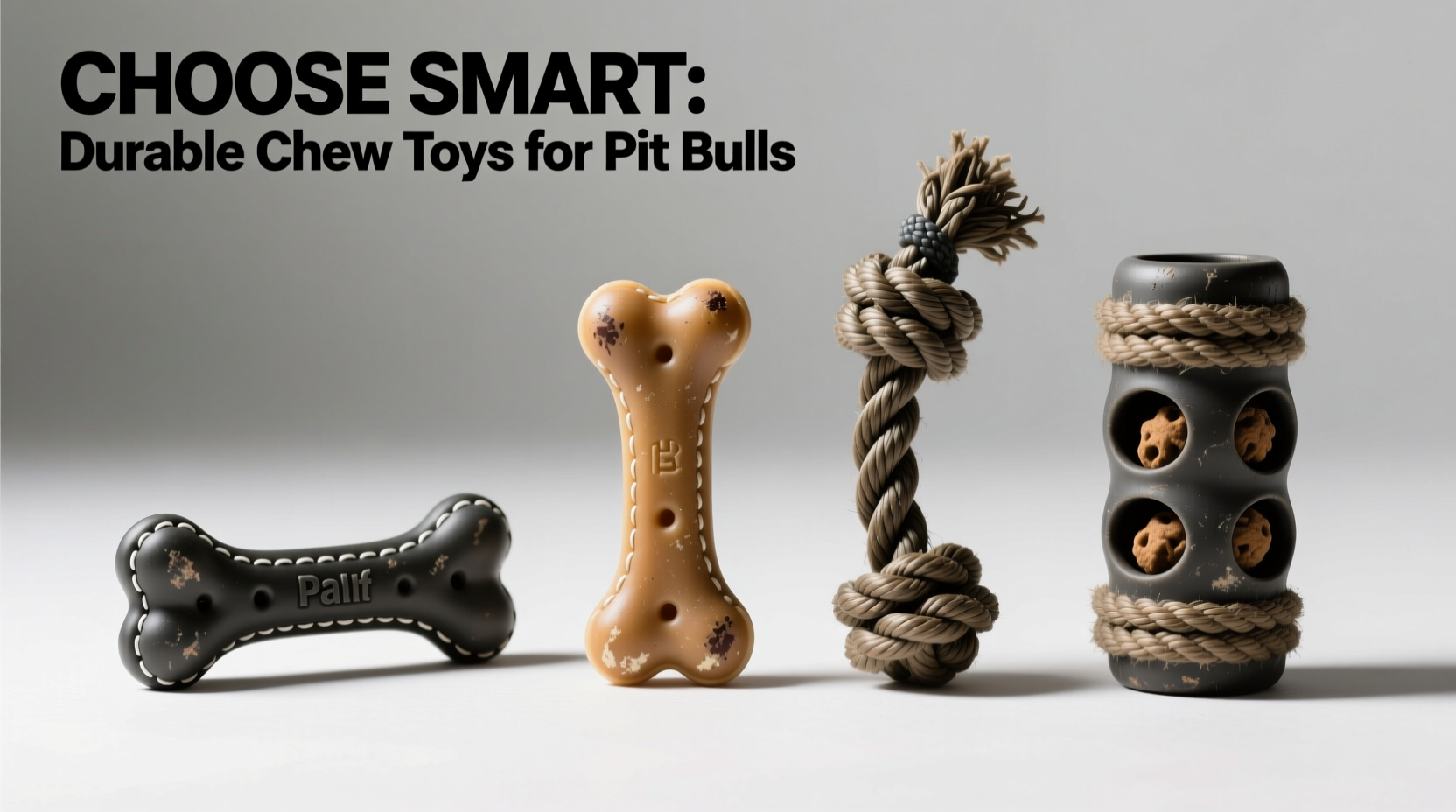
Pit bulls possess one of the strongest bite forces among domestic dog breeds—estimated at over 235 pounds per square inch (PSI). This powerful jaw strength, combined with high stamina and focus, means they can dismantle flimsy rubber or plush toys in seconds. Beyond physical capability, these dogs often chew out of boredom, anxiety, or excess energy. Without appropriate alternatives, they may turn to furniture, shoes, or even dangerous household items like electrical cords.
The goal isn’t to eliminate chewing but to redirect it safely. A quality chew toy serves multiple purposes: it satisfies oral fixation, reduces stress, strengthens jaw muscles, and prevents destructive behaviors. However, not all “tough” toys live up to their marketing claims. Choosing the wrong toy can lead to choking hazards, intestinal blockages, or wasted money on products that don’t last.
“Aggressive chewers require more than just thick rubber—they need materials engineered for sustained impact resistance.” — Dr. Lena Reyes, Veterinary Behaviorist
Key Features of a Durable Chew Toy
When evaluating chew toys for pit bulls and similar breeds, focus on material composition, design integrity, and safety certifications. Avoid relying solely on packaging labels like “indestructible” or “tough,” which are often unregulated and misleading.
Material Matters: What Works and What Doesn’t
Certain materials stand up far better to extreme chewing than others:
- Natural Rubber (High-Density): Brands like Kong use proprietary blends that resist cracking and splintering. Look for solid, non-porous rubber without hollow centers that collapse easily.
- Hard Nylon: Found in bones and discs, nylon is highly resistant to wear. However, some lower-quality versions can splinter and damage teeth if too brittle.
- Rope Toys (Cotton/Polyester Blend): Best for tugging and moderate chewers. Not ideal for power chewers unless reinforced with double braiding.
- Rawhide Alternatives (Plant-Based Chews): Avoid traditional rawhide—it swells when wet and poses choking risks. Opt instead for digestible chews made from compressed fibers like sweet potato or yak milk.
- Plastic Polymers (e.g., TPU or PP): Some advanced toys use thermoplastic polyurethane, known for flexibility and impact resistance. These are rare but promising for extreme chewers.
Design Considerations for Longevity
A toy’s shape and construction significantly affect its lifespan:
- One-Piece Molding: Toys with seams or glued parts are weak points. Choose seamless designs whenever possible.
- Weight and Size: Too light, and the toy moves unpredictably; too small, and it becomes a choking hazard. Match the toy size to your dog’s weight and mouth dimensions.
- Textured Surfaces: Grooves and ridges help clean teeth and provide sensory engagement, increasing the toy’s appeal.
- Edible vs. Non-Edible: Edible chews satisfy the urge to consume but should be supervised. Non-edible toys offer longer play value but must be safe if small pieces break off.
Top Chew Toy Options for Pit Bulls: A Comparison
Not all tough toys perform equally. Below is a comparison of popular options based on durability, safety, and suitability for aggressive chewers.
| Toy Name | Material | Durability (1–5) | Safety Notes | Best For |
|---|---|---|---|---|
| Kong Extreme | Black Rubber | 5 | Non-toxic, FDA-compliant | All-day chewing, treat stuffing |
| GoughNuts Indestructible Ring | Medical-Grade Rubber | 5 | Red safety indicator if inner layer damaged | Power chewers, tug-of-war |
| Benebone Wishbone | Durathane (nylon-based) | 4 | No BPA, phthalates, or PVC | Long-term gnawing, flavor-infused |
| West Paw Zogoflex Hurley | TPR Polymer | 4 | Dishwasher safe, recyclable | Outdoor play, fetch |
| JW Pet Megabone | Hollow Nylon | 3 | Can fracture with heavy chewing | Moderate chewers only |
This table highlights that while several toys claim toughness, only a few consistently withstand hours of focused chewing from a pit bull. Kong and GoughNuts are frequently cited by trainers and owners as the most reliable choices.
Step-by-Step Guide to Selecting the Right Chew Toy
Follow this process to ensure you’re making an informed, safe decision for your dog:
- Assess Your Dog’s Chewing Style: Does your pit bull crush, shred, or gnaw? Observe how they interact with current toys. Crushers need ultra-dense rubber; shreaders benefit from layered resistance.
- Measure Jaw Size and Strength: Use a soft tape measure around your dog’s muzzle and consult manufacturer sizing charts. Larger breeds typically need toys over 6 inches in length.
- Check Safety Standards: Look for toys labeled BPA-free, non-toxic, and made in countries with strict manufacturing regulations (e.g., USA, Canada, EU).
- Start with One Toy Type: Introduce either a rubber toy or flavored nylon bone first. Monitor for interest and destruction rate over 2–3 days.
- Rotate and Supervise: Rotate toys weekly to maintain novelty. Never leave your dog unattended with a new chew toy during the first few uses.
- Evaluate and Replace: After each session, check for cracks, missing chunks, or deformation. Replace immediately if compromised.
Real-World Example: Max the Pit Bull and the $20 Lesson
Carlos adopted Max, a 70-pound American Pit Bull Terrier, from a local shelter. Eager to keep him entertained, Carlos bought a popular “indestructible” rope toy advertised for large breeds. Within ten minutes of being left alone, Max tore the stitching, swallowed a fibrous strand, and required an emergency vet visit for mild intestinal obstruction.
After consulting a trainer, Carlos switched strategy. He started with a GoughNuts ring, which survived daily chewing for over six months. He paired it with a Kong filled with frozen peanut butter, rotating them every few days. Max’s destructive behavior dropped by 80%, and his focus improved during training. The initial investment was higher—but the long-term savings and peace of mind were invaluable.
“Choosing the right toy isn’t a luxury—it’s preventive healthcare.” — Dr. Lena Reyes
Common Mistakes to Avoid
Even well-intentioned owners make errors when selecting chew toys. Steer clear of these pitfalls:
- Buying Based on Price Alone: Cheap toys often sacrifice material quality. A $3 toy destroyed in five minutes costs more per minute than a $20 durable option lasting months.
- Using Human Objects as Substitutes: Shoes, towels, or wood branches pose serious health risks and reinforce inappropriate chewing.
- Ignoring Supervision Needs: No toy is truly indestructible. Even the toughest can fragment under relentless pressure.
- Overlooking Dental Health: Extremely hard toys (like antlers or hooves) can crack teeth. Stick to slightly flexible materials that absorb impact.
- Skipping Rotation: Dogs lose interest in stale toys, leading to increased frustration and off-limit chewing.
Frequently Asked Questions
Can pit bulls safely chew on bones?
Only certain types. Raw meat bones (like beef femurs) can be given under strict supervision but carry risks of tooth fractures or bacterial contamination. Never give cooked bones—they splinter easily. Safer alternatives include synthetic bones made from durable polymers or edible chews designed for digestion.
How do I know if a toy is too hard for my dog?
Perform the “thumbnail test”: Press your thumbnail into the toy’s surface. If it doesn’t leave a slight indentation, the material may be too rigid and could damage teeth. Flexible yet resilient rubber passes this test and is generally safer.
Are there chew toys specifically designed for pit bulls?
While no toy is breed-exclusive, several brands engineer products with powerful chewers in mind. GoughNuts, Kong, and West Paw explicitly design for dogs with high chewing intensity. Look for models labeled “Extreme,” “Indestructible,” or “Power Chewer” series.
Final Checklist Before You Buy
Before purchasing any chew toy for an aggressive chewer, confirm the following:
- ✅ Made from high-density rubber, durable nylon, or food-safe polymers
- ✅ No small detachable parts (eyes, squeakers, strings)
- ✅ Appropriate size for your dog’s weight and mouth
- ✅ Free from toxic chemicals (BPA, phthalates, lead)
- ✅ Positive reviews from verified owners of strong breeds
- ✅ Designed as a single solid piece or with fail-safe indicators
- ✅ Suitable for both indoor and outdoor use if needed
Conclusion: Invest in Safety, Not Just Durability
Selecting the right chew toy for a pit bull or other aggressive chewer goes beyond finding something that lasts. It’s about ensuring your dog’s physical safety, supporting their mental health, and protecting your home from unintended damage. The best toys combine resilience with thoughtful design—offering hours of engagement without compromising well-being.
Start with proven options like the Kong Extreme or GoughNuts ring, supervise early interactions, and rotate toys regularly to maintain interest. Remember, no product replaces attentive ownership. By investing time and care into your selection process, you’re not just buying a toy—you’re building a safer, happier life for your powerful pup.




 浙公网安备
33010002000092号
浙公网安备
33010002000092号 浙B2-20120091-4
Comments
No comments yet. Why don't you start the discussion?