
Selecting the right collar for your dog is more than a matter of style—it’s a critical component of their safety, comfort, and behavior management. With hundreds of collars available in various materials, styles, and mechanisms, making the right choice depends heavily on your dog’s breed, size, neck structure, activity level, and temperament. A poorly chosen collar can lead to discomfort, breathing issues, skin irritation, or even escape during walks. This guide breaks down the essential factors to consider when matching a collar to your dog’s unique physical and behavioral traits.
Understanding Your Dog’s Neck and Breed-Specific Needs
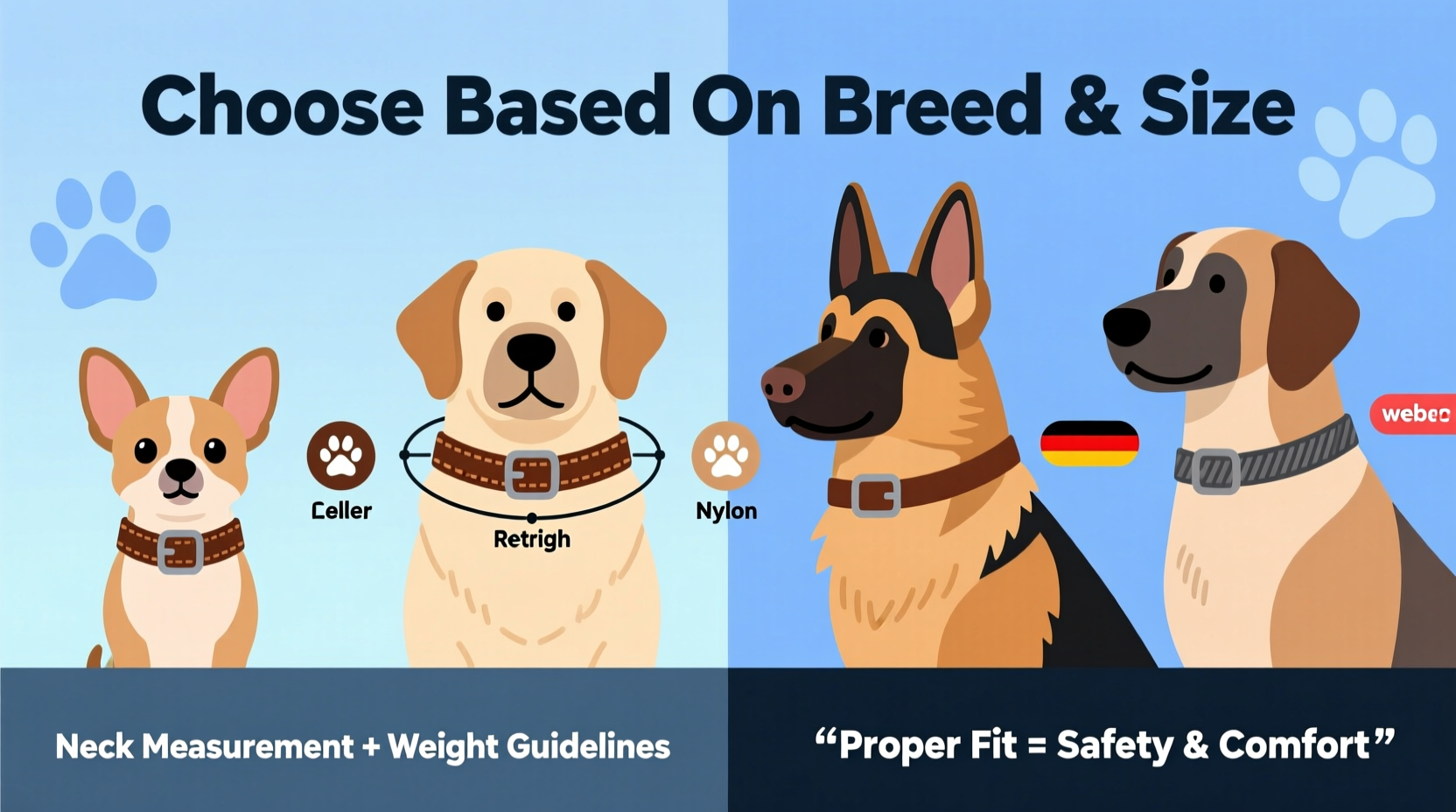
Dogs vary widely in anatomy, especially around the neck and head. Breeds with narrow heads relative to their necks—like Greyhounds, Whippets, and Basenjis—are prone to slipping out of standard collars. Conversely, broad-necked breeds such as Bulldogs, Mastiffs, or Pit Bulls require wider, sturdier collars to distribute pressure evenly and prevent chafing.
Brachycephalic (short-nosed) breeds like Pugs and Shih Tzus are particularly sensitive to neck pressure due to their compressed airways. For these dogs, collars that restrict movement or apply force around the throat can exacerbate breathing difficulties. In contrast, deep-chested breeds like German Shepherds or Dobermans benefit from collars that offer secure fit without impeding lung expansion.
The goal is a collar that fits securely but allows two fingers to slide comfortably underneath. Too loose, and the dog may slip free; too tight, and it can cause sores or restrict blood flow.
Common Collar Types and Their Best Uses
Not all collars serve the same purpose. The ideal type depends on function: identification, training, restraint, or fashion. Below is a breakdown of the most common collar types and which dogs benefit most from each.
| Collar Type | Best For | Not Recommended For |
|---|---|---|
| Flat Buckle Collar | Everyday wear, small to medium dogs, well-behaved walkers | Dogs that pull, escape artists, brachycephalic breeds |
| Harness (not collar, but relevant) | Puppies, pullers, small breeds, flat-faced dogs | Dogs needing precise control (e.g., obedience training) |
| Martingale Collar | Sighthounds, dogs with narrow heads, moderate pullers | Aggressive pullers, large powerful breeds |
| Quick-Release Nylon/Polyester | Active dogs, water-friendly use, budget-conscious owners | Dogs with thick fur or sensitive skin (can rub) |
| Leather Collar | Durable everyday use, strong medium/large dogs, formal ID | Swimming dogs, humid climates (can mildew) |
| Head Halter (e.g., Gentle Leader) | Strong pullers, reactive dogs, training focus | Brachycephalic breeds, fearful dogs (intimidating) |
Each collar has trade-offs. While flat collars are simple and widely used, they concentrate force on a small area of the neck. Martingales tighten gently when pulled, preventing escapes without choking. Harnesses shift pressure to the chest, reducing strain on the trachea—especially important for small or delicate breeds.
Size-Based Recommendations: From Chihuahuas to Great Danes
Size directly impacts collar suitability. A collar designed for a 5-pound toy dog won’t withstand the force of a 100-pound Labrador, nor will a heavy buckle collar suit a fragile Yorkshire Terrier.
Small Dogs (Under 20 lbs)
Breeds like Pomeranians, Maltese, and Cavalier King Charles Spaniels need lightweight, narrow collars (½ inch to ¾ inch wide). Look for breakaway features if your dog spends time unsupervised—this prevents entanglement hazards. Soft nylon or padded leather works best. Avoid bulky buckles or metal tags that weigh down the neck.
Medium Dogs (20–50 lbs)
Cocker Spaniels, Beagles, and Border Collies typically do well with ¾-inch to 1-inch collars. These dogs often have average energy levels and trainability, so a durable flat collar or martingale offers balance between security and comfort. Reflective stitching is a smart addition for evening walks.
Large & Giant Dogs (50+ lbs)
Mastiffs, Rottweilers, and Saint Bernards require robust collars made from high-tensile webbing or full-grain leather, at least 1 to 2 inches wide. These dogs generate significant pulling force, so hardware must include reinforced D-rings and heavy-duty buckles. Consider a martingale or limited-slip design for added security during off-leash play or training.
“Large-breed dogs need collars that distribute pressure across the neck, not just a single point. A wide, padded collar can prevent nerve damage over time.” — Dr. Laura Simmons, Veterinary Behaviorist
Step-by-Step Guide to Choosing and Fitting the Right Collar
Follow this practical sequence to ensure you select and fit the correct collar for your dog:
- Evaluate your dog’s breed and physical traits: Note head-to-neck ratio, coat thickness, and any respiratory sensitivities.
- Assess behavior: Is your dog a puller? A digger? Prone to slipping out? Reactive on walks?
- Determine primary use: Daily ID, training, walking, or swimming? Choose material accordingly.
- Measure the neck: Use a fabric tape measure behind the ears and around the base of the neck where the collar normally sits.
- Select width and length: Small dogs: ½”–¾”; Medium: ¾”–1”; Large: 1”–2”. Allow room for two fingers beneath the collar.
- Test the fit: Attach the collar and check that it doesn’t twist, pinch, or slide over the ears. Watch for redness after 10 minutes of wear.
- Monitor long-term: Check weekly for wear, fraying, or skin irritation, especially under thick fur.
Real-Life Example: Choosing for a Slippery Silky Terrier
Sophie, a 9-pound Silky Terrier, kept escaping her standard nylon collar during park visits. Her owner assumed she was just being mischievous—until a trainer pointed out her narrow head and long neck. Despite fitting “correctly” by measurement, the collar was too loose when she lunged forward.
After switching to a custom-fitted martingale collar with a ¾-inch width and soft polyester blend, Sophie stopped slipping out. The limited-slip mechanism tightened just enough to hold her safely without choking. Additionally, the padded inner lining prevented rubbing on her fine coat. Within a week, walks became safer and more enjoyable for both dog and owner.
This case highlights how breed-specific anatomy—not just size—must inform collar selection. What looks like disobedience may actually be a gear issue.
Checklist: Before You Buy a Dog Collar
- ✅ Measured your dog’s neck recently
- ✅ Considered breed-specific risks (e.g., tracheal collapse, head slippage)
- ✅ Selected appropriate width based on size and strength
- ✅ Chosen safe, durable material (leather, nylon, biothane)
- ✅ Ensured secure fastening (buckle, snap, or side-release)
- ✅ Added ID tags or engraved contact info
- ✅ Checked for reflective elements if walking at night
- ✅ Verified comfort—no pinching, twisting, or hair loss after short wear test
Frequently Asked Questions
Can I use the same collar for walking and ID purposes?
Yes, many owners do. However, if your dog pulls strongly, consider using a harness for walks and reserving the collar for home wear with ID tags. This reduces wear on the collar and protects the neck during exertion.
Are breakaway collars safe for walking?
Breakaway collars are designed to release under pressure to prevent strangulation—ideal for cats or unsupervised pets. They are not recommended for leashed walks, as they may detach unexpectedly. Use them only for indoor ID or microchipped dogs with backup supervision.
How often should I replace my dog’s collar?
Inspect monthly for fraying, weakened stitching, or damaged hardware. Replace immediately if any part shows wear. As a general rule, replace nylon collars every 6–12 months with regular use, and leather collars every 1–2 years depending on care.
Expert Insight: Why Fit Matters Beyond Comfort
A poorly fitted collar doesn’t just cause discomfort—it can lead to long-term health issues. Constant pressure on the trachea may contribute to coughing, laryngeal paralysis, or even thyroid dysfunction in susceptible breeds. Nerve damage from chronic friction is also possible, particularly in areas with thin skin or dense fur.
“The neck is a vulnerable zone. Repeated stress from ill-fitting collars can alter gait, cause referred pain, and even affect behavior. We see more neck-related issues than people realize.” — Dr. Marcus Tran, Canine Rehabilitation Specialist
For dogs with pre-existing conditions like hypothyroidism, spinal issues, or eye pressure concerns (e.g., glaucoma), veterinarians often recommend avoiding neck pressure altogether in favor of front-clip harnesses.
Final Thoughts and Action Steps
Choosing the right collar isn’t a one-size-fits-all decision. It requires thoughtful consideration of your dog’s breed, size, behavior, and daily routine. A Chihuahua’s needs differ vastly from those of a Siberian Husky, and even within breeds, individual variation matters. The safest, most effective collar is one that balances security, comfort, and functionality.
Start by assessing your current collar: Does it fit properly? Is it suited to your dog’s activity level? Has it shown signs of wear? If in doubt, consult a professional trainer or veterinarian before making a change—especially if your dog has health concerns.
Remember, the collar is more than an accessory. It’s a tool for safety, identification, and communication. By investing time in selecting the right one, you’re protecting your dog’s well-being with every step you take together.




 浙公网安备
33010002000092号
浙公网安备
33010002000092号 浙B2-20120091-4
Comments
No comments yet. Why don't you start the discussion?