
Olive skin is one of the most misunderstood complexions in the world of makeup. Unlike cool or warm tones that fit neatly into categories, olive undertones carry a subtle greenish or yellowish base that resists simple classification. This makes selecting the right foundation shade particularly challenging—especially when you can’t physically swatch products at a store or beauty counter. Yet, with the rise of online shopping and limited access to testers, mastering shade selection without direct application has become an essential skill.
The good news? Choosing the perfect foundation for olive skin without swatching is entirely possible—if you know what to look for. By understanding your undertone, analyzing natural light, leveraging digital tools, and learning from brand-specific patterns, you can make informed decisions that result in flawless, natural-looking coverage.
Understanding Olive Undertones: Beyond Warm and Cool
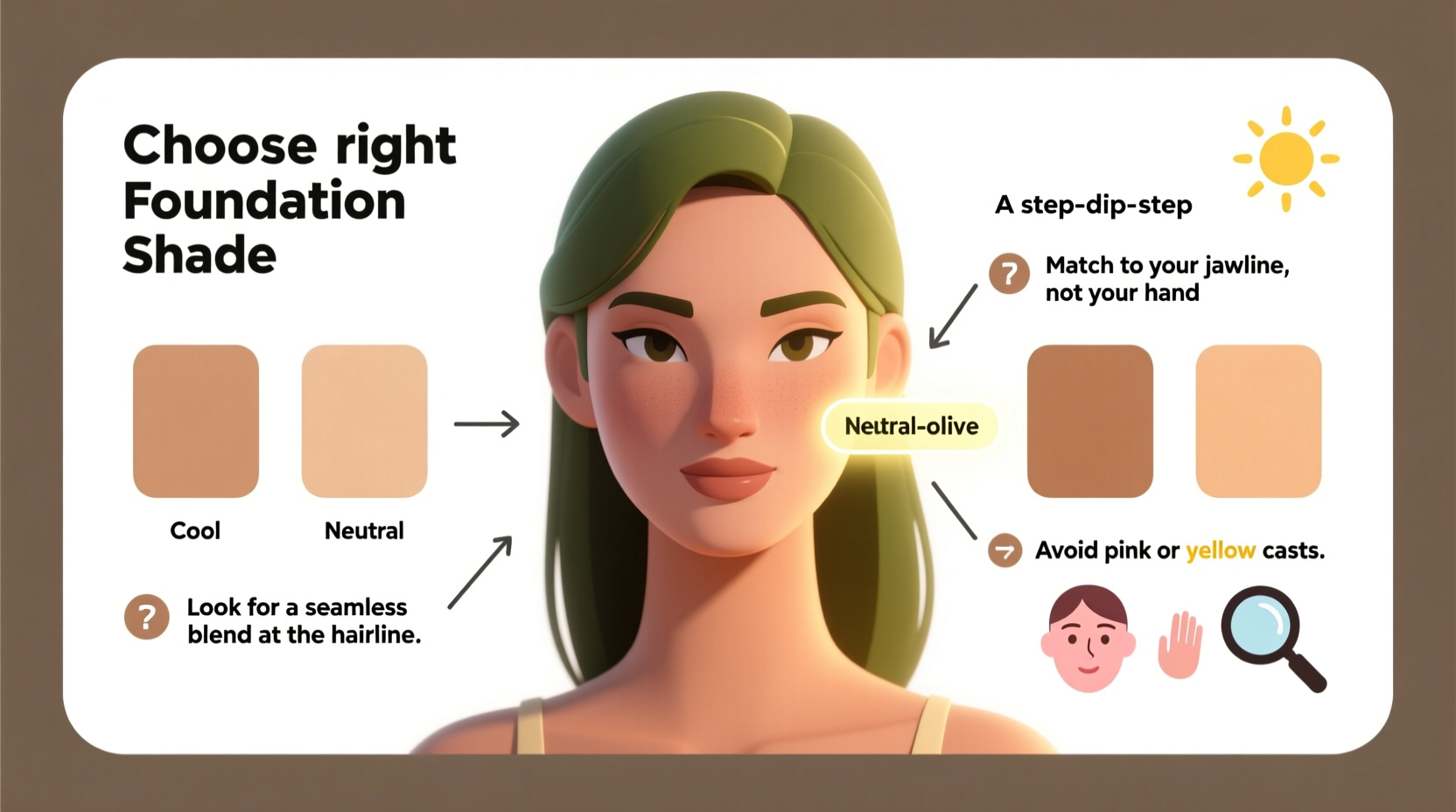
Olive skin sits in a unique category. It often appears neutral at first glance but reveals a greenish cast under certain lighting or when compared to other shades. This green influence comes from a mix of cool (pink/red) and warm (yellow) pigments in the skin, creating a balanced yet complex undertone.
Unlike warm-toned individuals who typically have golden or peachy hues, or cool-toned people with rosy or blue undertones, olive complexions don’t align cleanly with either. Instead, they tend to tan easily, rarely burn, and may notice their skin looks sallow or ashy when wearing foundations that are too pink or too yellow.
One key identifier of olive skin is how it reacts to foundation mismatches. A shade that’s slightly too pink can make the skin appear bruised or unnatural, while one that’s overly yellow might look jaundiced. The ideal match blends seamlessly, enhancing your natural tone without altering its character.
Step-by-Step Guide to Selecting Foundation Online
Without swatching, the process shifts from tactile testing to analytical observation. Follow this structured approach to increase accuracy when choosing a foundation online.
- Determine Your Depth and Undertone Precisely: Use daylight near a window to examine your jawline and neck. Does your skin show greenish hints? Do veins on your wrist appear more green than blue? These are signs of olive undertones. Compare yourself to online undertone charts (reputable ones from dermatology or cosmetic sites) to confirm.
- Identify Your Skin's Level (Light, Medium, Tan, Deep): Match your complexion to standardized level guides used by major brands. For example, Fenty Beauty’s Pro Filt’r line uses numbers (e.g., 220, 330), where higher numbers indicate deeper tones. Find influencers or models with similar skin depth and note which shades they use.
- Analyze Lighting Conditions in Product Photos: Scroll through customer reviews and focus on photos taken in natural light. Avoid relying on studio-lit images, which distort color perception. Look for side-by-side comparisons of the foundation blended into the jawline.
- Search for “Olive-Specific” Foundations: Some brands formulate explicitly for olive tones. IT Cosmetics, KKW Beauty, and L’Oréal True Match (certain ranges) offer olive designations like “C” (for cool) or “O” (olive). Prioritize these lines.
- Cross-Reference Shade Names Across Brands: Many companies use naming conventions. For instance, “Warm Beige” usually avoids pinkness. However, “Natural” or “Nude” can be misleading. Stick to descriptive names like “Golden Tan,” “Olive Medium,” or “Warm Honey.”
- Use Virtual Try-On Tools Wisely: Apps like Sephora Virtual Artist or Ulta’s GLAMLab use augmented reality to simulate foundation on your face. While not 100% accurate, they help narrow choices when combined with other methods.
Brand Breakdown: Which Lines Cater Best to Olive Skin?
Not all foundations are created equal when it comes to olive undertones. Some brands consistently deliver balanced, non-pink formulas; others fall short despite wide shade ranges. The table below highlights top performers and caution zones.
| Brand | Best For Olive Skin? | Recommended Shades | Caution Notes |
|---|---|---|---|
| Fenty Beauty Pro Filt’r | Yes | 220, 250, 330, 380 (check “W” for warm) | Avoid “Porcelain” or “Rose” variants |
| L’Oréal True Match | Yes | D4 Natural Beige, G5 Golden Wheat, C6 Classic Almond | “C” = Cool/Olive; “G” = Golden; avoid “B” (Beige/Pink) |
| IT Cosmetics CC+ Cream | Excellent | Medium, Tan, Deep (all have olive-friendly bases) | Formulated to neutralize redness—ideal for olive tones |
| NARS Natural Radiant Longwear | Mixed | Soufflé, Monte Carlo, Dakar | Many shades lean pink; research specific matches |
| Maybelline Fit Me | Some Options | 280 Warm Nude, 320 Classic Ivory | Shade range limited; avoid “P” (porcelain/pink) |
When in doubt, search YouTube or Instagram for “Fenty 330 review olive skin” or “True Match D4 on olive tone.” Real user experiences provide invaluable context that product descriptions often lack.
Mini Case Study: Maria’s Online Foundation Journey
Maria, a 34-year-old educator with medium olive skin, had long struggled with mismatched foundations. She lived in a rural area with no nearby stores carrying premium makeup lines. After repeatedly receiving pink-cast liquids that turned her complexion grayish-green, she decided to refine her method.
She began by identifying her correct level using Fenty’s shade chart, placing herself between 280 and 300. Then, she searched TikTok for videos tagged #oliveskintone and filtered results by “natural lighting.” One creator with nearly identical skin used L’Oréal True Match D4 and described it as “the only shade that doesn’t make me look sick.”
Maria cross-referenced this with a blog post comparing D4 across different lighting conditions. Convinced, she ordered a sample online. To her relief, it matched perfectly—even blending invisibly at the jawline. Her success came not from guessing, but from systematic research and trusted peer validation.
“Olive skin needs balance—not warmth alone, not coolness alone. The best foundations for this tone are those formulated to respect its duality.” — Dr. Lena Torres, Cosmetic Dermatologist
Avoiding Common Mistakes When Buying Blind
Even well-informed shoppers can misstep. Here are frequent errors—and how to avoid them:
- Mistaking Tan for Olive: Just because a shade is deep doesn’t mean it suits olive tones. Many dark foundations add extra yellow, resulting in an orange cast on olive skin.
- Trusting Flash Photography: Indoor photos with flash wash out undertones. Always prioritize daytime outdoor images in reviews.
- Overlooking Oxidation: Some foundations darken within minutes due to skin chemistry. Check reviews for comments like “went orange after 10 minutes” before purchasing.
- Ignoring Neck-to-Jawline Matching: Never pick a shade based solely on your face. Your neck and chest often dictate the truest match. If your neck appears darker or lighter, adjust accordingly.
Checklist: How to Confidently Choose Foundation Without Swatching
Follow this checklist before finalizing any purchase:
- ✅ Assess your undertone in natural daylight (morning or midday)
- ✅ Identify whether you're light, medium, tan, or deep olive
- ✅ Research brands known for olive-friendly formulations
- ✅ Read at least five recent customer reviews with photos
- ✅ Watch video reviews filmed in natural light
- ✅ Confirm if the brand offers samples or returns
- ✅ Double-check oxidation reports for the chosen shade
- ✅ Compare against verified matches from influencers with similar skin
Frequently Asked Questions
Can I rely on foundation shade finders online?
Shade finders can be helpful starting points, but they’re not foolproof. Most use simplified algorithms that don’t account for olive complexity. Use them to narrow options, then validate with real-user feedback and visual evidence.
What does “NC” or “NW” mean, and do they work for olive skin?
MAC’s system uses NC (Neutral Cool) and NW (Neutral Warm). Olive tones often align with NC shades—especially NC30 to NC40—as they contain subtle green-neutral balance. NW tends to be more golden and may skew too yellow. However, individual variation exists; always verify with examples.
Is mineral foundation better for olive skin?
Mineral foundations often perform well on olive complexions because they’re less likely to include synthetic dyes that shift toward pink. Brands like bareMinerals Original Formula offer shades like “Medium Tan” and “Warm Sienna” that adapt naturally to olive undertones. Still, test digitally via reviews before committing.
Final Thoughts: Confidence Starts With the Right Match
Finding the right foundation for olive undertones without swatching isn’t guesswork—it’s strategy. It requires attention to detail, patience, and a willingness to learn from others who share your skin type. The digital age has made this easier than ever, offering access to global communities, high-quality visuals, and data-driven insights that weren’t available a decade ago.
Your goal isn’t perfection on the first try, but progress through informed decisions. Each purchase becomes a step toward building a personalized database of what works—and what doesn’t. Over time, you’ll develop intuition grounded in experience, reducing trial and error significantly.




 浙公网安备
33010002000092号
浙公网安备
33010002000092号 浙B2-20120091-4
Comments
No comments yet. Why don't you start the discussion?