
Navigating a full day—from back-to-back meetings to an evening strength session—requires more than stamina. It demands smart organization. Carrying separate bags for work and fitness isn’t just inconvenient; it adds bulk, weight, and unnecessary complexity. The solution? A single, thoughtfully designed gym bag that supports both professional and athletic needs. But not all bags are built for this dual role. Choosing the right one means balancing functionality, comfort, durability, and aesthetics. This guide breaks down what to look for in a hybrid gym bag, so you can move through your day with confidence and ease.
Understand Your Daily Carry Needs
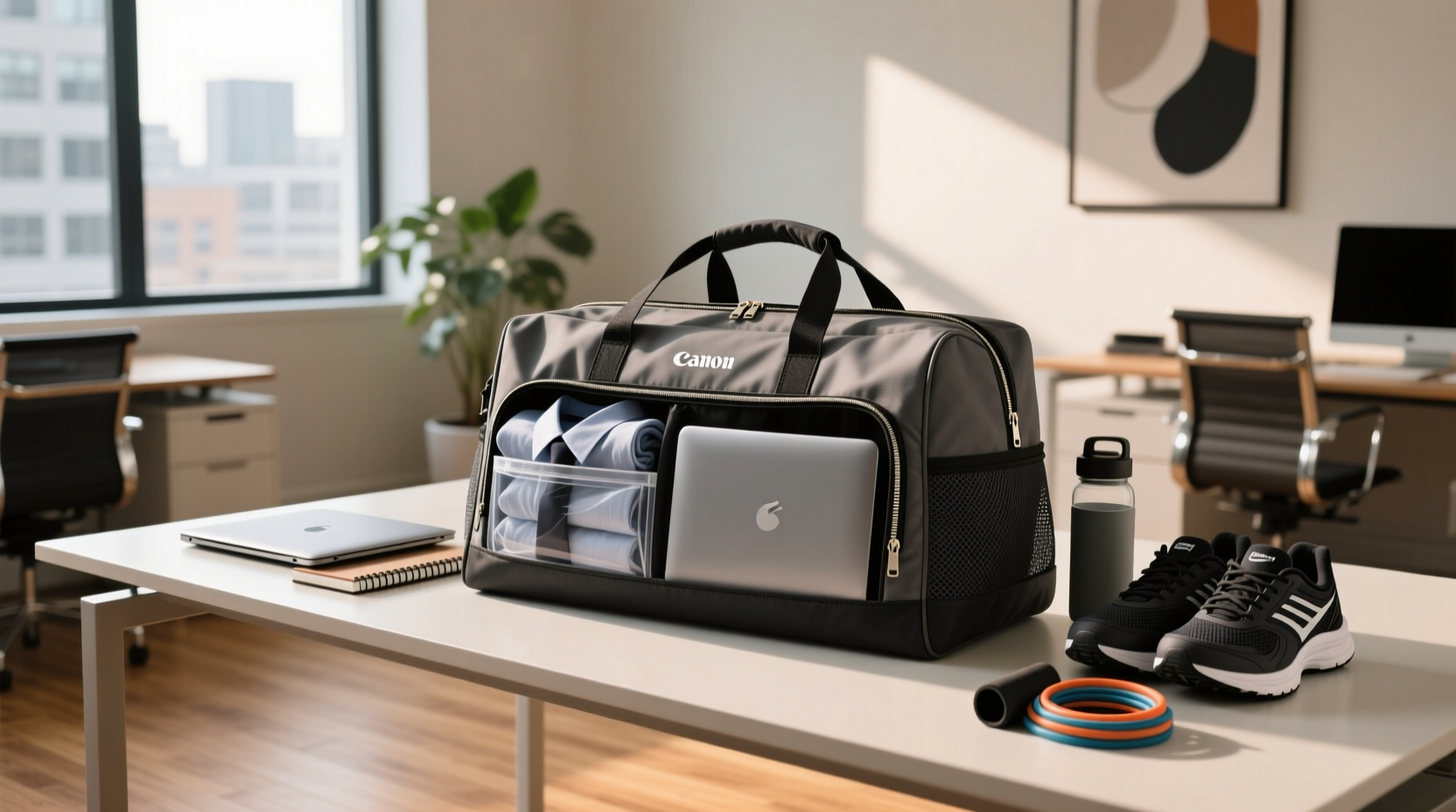
Before evaluating materials or zippers, start by mapping out exactly what you carry each day. A bag that works for a freelance designer who commutes via bike will differ vastly from one used by a corporate attorney who takes the subway. Identify your non-negotiables:
- Laptop size and accessories (charger, mouse, tablet)
- Work documents or notebooks
- Gym essentials (shoes, clothes, towel, toiletries)
- Hydration (water bottle or thermos)
- Extra layers (jacket, sweater)
- Personal items (wallet, keys, headphones)
A common mistake is choosing a bag based on appearance alone. Function should drive form. If you regularly tote a 15-inch laptop, a slim backpack meant for weekend hikes won’t suffice. Likewise, if you’re hitting the gym five times a week, odor-resistant compartments and ventilation become critical.
Key Features of a Dual-Purpose Gym Bag
The ideal hybrid gym bag blends structure and flexibility. It must protect electronics, isolate sweaty gear, and maintain a professional silhouette. Look for these essential features:
Dedicated Laptop Compartment
A padded, fleece-lined sleeve that fits your device snugly is non-negotiable. Ideally, it should be accessible from the outside or rear to avoid rummaging through sweaty clothes at airport security or office entrances.
Separate Wet or Shoe Storage
Odor and moisture control matter. Bags with ventilated side pockets or zippered end compartments for shoes keep sweat and dampness away from clean clothes and electronics. Some brands use antimicrobial linings—worth the investment if you're active daily.
Multiple Organization Pockets
Internal mesh pockets, key clips, pen holders, and phone slots prevent chaos. External quick-access pockets let you grab transit cards or earbuds without opening the main compartment.
Durable, Water-Resistant Materials
Nylon (especially ballistic or ripstop) and polyester blends resist abrasion and light rain. Avoid canvas unless it’s waxed—it absorbs moisture and stains easily. Leather may look professional but requires maintenance and isn’t ideal for gym environments.
Comfortable, Adjustable Straps
If you're wearing the bag for hours, shoulder straps should be padded and adjustable. For backpacks, look for chest or sternum straps to reduce shoulder strain. Top handles should be reinforced for briefcase-style carrying.
“Most people underestimate load distribution. A well-balanced bag reduces neck and back strain significantly over time.” — Dr. Lena Torres, Ergonomics Consultant at Urban Mobility Lab
Choosing Between Backpack, Duffel, and Tote Styles
No single style fits all lifestyles. Each has strengths depending on commute type, wardrobe, and workout frequency.
| Style | Best For | Pros | Cons |
|---|---|---|---|
| Backpack | Commuting, cycling, walking, frequent travel | Even weight distribution, hands-free, often includes tech sleeves | Can look too casual in formal offices; limited access to main compartment |
| Duffel / Weekender | Gym-heavy routines, weekend trips, driving commuters | Spacious, easy to pack, versatile | Less structured; poor weight balance when carried on one shoulder |
| Tote / Brief Hybrid | Office-centric days, minimal gym gear, public transport users | Professional appearance, easy access, lightweight | Limited padding; shoulder strain with heavy loads |
For those split evenly between desk and dumbbells, convertible designs—like a backpack that folds into a duffel or a tote with removable straps—are gaining popularity. These offer adaptability but often sacrifice durability due to added hardware.
Step-by-Step Guide to Selecting Your Ideal Bag
Follow this sequence to make a confident purchase decision:
- Inventory Your Gear: List every item you carry daily, noting dimensions and sensitivity (e.g., “15” laptop,” “leather dress shoes,” “protein shaker”).
- Determine Primary Transport Mode: Will you walk, bike, drive, or take transit? This affects size and carrying style.
- Set a Realistic Budget: Quality hybrid bags range from $80–$300. Spending more typically gets you better materials, ergonomics, and warranty support.
- Research Brands Specializing in Functional Design: Consider names like Aer, Mission Workshop, Bellroy, Herschel Supply Co., and The Ridge. Read verified customer reviews focusing on long-term durability.
- Test Before You Buy (If Possible): Visit a retail store to feel weight, zipper quality, and strap comfort. Load it with similar items if allowed.
- Check Return Policy: Even well-reviewed bags can fail in real life. Ensure a 30-day return window in case it doesn’t suit your routine.
Real-World Example: Sarah’s Seamless Switch
Sarah, a project manager at a tech firm in Chicago, used to juggle a leather briefcase and a nylon gym duffel. She’d leave one behind at least twice a month—usually her gym shoes, leading to awkward barefoot stretches across locker rooms. After researching hybrid options, she invested in a water-resistant backpack with a ventilated shoe compartment and a hidden RFID-safe pocket for her badge.
Within two weeks, her morning routine shortened by 12 minutes. She no longer needed to repack items between locations. The bag’s sleek black design passed as professional during client visits, and the padded straps made her 20-minute walk from the L station pain-free. Six months later, she reports zero wear issues—even after being caught in three downpours.
Her takeaway: “I didn’t realize how much mental energy I spent managing two bags until I stopped. One reliable bag reduced my stress more than I expected.”
Common Pitfalls to Avoid
Even experienced buyers fall into traps when selecting a hybrid gym bag. Steer clear of these mistakes:
- Overlooking Weight When Empty: A bag weighing 4+ pounds before packing becomes burdensome quickly.
- Ignoring Odor Control: Mesh pockets don’t stop smells. Look for antimicrobial linings or removable inserts.
- Choosing Style Over Structure: A sleek silhouette means little if your laptop slides around unprotected.
- Skipping Security Features: Zip pulls that accept small locks or hidden anti-theft pockets add peace of mind in crowded spaces.
- Assuming All “Water-Resistant” Bags Are Equal: Surface coatings wear off. Fully taped seams and roll-top closures offer superior protection.
Essential Buying Checklist
Use this checklist before finalizing your purchase:
- ✅ Fits your laptop securely with padding
- ✅ Has a dedicated, ventilated space for shoes or wet clothes
- ✅ Made from durable, water-resistant fabric (e.g., 900D nylon)
- ✅ Includes interior organization (pockets, key leash)
- ✅ Offers comfortable, adjustable carry options (straps, handles)
- ✅ Maintains a professional aesthetic in your workplace
- ✅ Weighs under 3.5 lbs empty
- ✅ Backed by a warranty (minimum 1 year)
- ✅ Allows for easy cleaning (wipeable interior)
- ✅ Falls within your budget (ideally $100–$250 for optimal value)
Frequently Asked Questions
Can I use a gym backpack as a business bag?
Yes—if it’s designed for dual use. Look for minimalist branding, neutral colors (black, gray, navy), and structured panels that resemble a briefcase. Avoid bright logos or mesh-heavy designs typically seen in sport-specific models.
How do I keep my bag smelling fresh?
After each gym session, remove damp clothes immediately. Use a microfiber towel to wipe down interior compartments weekly. Insert a small charcoal or baking soda pouch to absorb lingering odors. Never store the bag closed while still moist.
Are expensive gym bags worth it?
They often are. High-end bags use superior stitching (bar-tacked stress points), YKK zippers, and technical fabrics that last 3–5 years with daily use. Cheaper alternatives may need replacing annually, costing more over time. Consider it an investment in daily efficiency.
Final Thoughts: Make One Bag Work Smarter
The right gym bag shouldn’t force compromises. It should empower your lifestyle—carrying your ambitions, both professional and physical, without slowing you down. By prioritizing smart design, thoughtful storage, and long-term durability, you eliminate clutter, reduce decision fatigue, and streamline your day.
You don’t need two bags. You need one that does both jobs exceptionally well. Evaluate your habits honestly, test your top contenders, and choose a bag that aligns with how you actually live—not how you wish you lived.




 浙公网安备
33010002000092号
浙公网安备
33010002000092号 浙B2-20120091-4
Comments
No comments yet. Why don't you start the discussion?