
Choosing the right haircut when you have a round face shape is more than just a matter of style—it’s about creating visual balance. A round face is typically characterized by equal width and length, soft jawlines, and full cheeks. While this face shape exudes warmth and youthfulness, the goal of the ideal haircut is to elongate the face, add angles, and create dimension. The right cut can transform your entire look, enhancing your features while minimizing perceived roundness. With thoughtful layering, strategic length, and proper volume placement, even subtle changes in hairstyle can make a dramatic difference.
Understanding Facial Proportions and Haircut Strategy
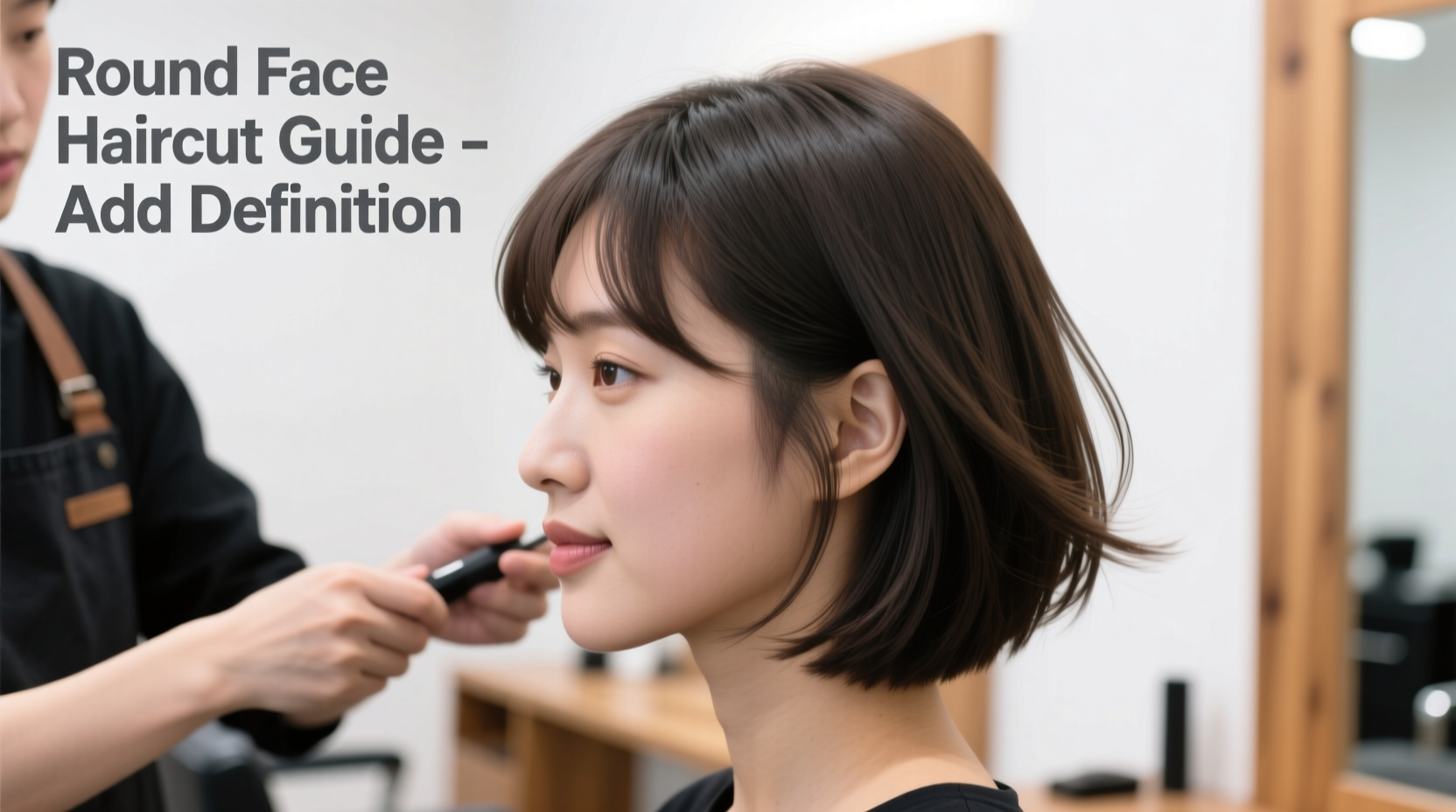
The foundation of selecting a flattering haircut lies in understanding facial geometry. A round face tends to be as wide as it is long, with minimal angular contrast. This symmetry, while naturally harmonious, can sometimes lack definition. The key is to introduce asymmetry, height, and movement through haircuts that draw the eye vertically rather than horizontally.
Haircuts that succeed on round faces do so by:
- Adding height at the crown to elongate the face
- Incorporating layers to break up fullness around the cheeks
- Using side-swept bangs or off-center parts to create angles
- Keeping weight away from the jawline to avoid widening the face
- Introducing texture to reduce flatness and increase dimension
It's not just about cutting hair; it's about sculpting space and light around the face. As celebrity stylist Marcus Reed explains,
“With round faces, we’re not hiding anything—we’re enhancing. The right cut brings structure without sacrificing softness. It’s architecture with soul.” — Marcus Reed, Celebrity Stylist & Texture Specialist
Best Haircut Styles for Round Faces
Certain cuts are universally effective for adding definition to round faces. These styles manipulate volume, line, and proportion to create a more oval illusion. Here are the top-performing options:
Long Layered Cuts with Face-Framing Layers
Long hair with graduated layers removes bulk from the lower half of the head while drawing attention downward. Face-framing layers—especially those starting below the cheekbones—create a slimming effect by casting shadows along the jawline. Avoid blunt ends or heavy shoulder-length bobs, which can emphasize width.
Asymmetrical Bobs
An asymmetrical bob—one side slightly shorter than the other—adds dynamic angles and breaks horizontal symmetry. The uneven line draws the eye upward and creates an illusion of slenderness. Pair it with a deep side part for maximum effect.
Textured Pixie Cuts
A well-executed pixie can be stunning on a round face, especially when volume is concentrated at the crown. Short sides keep the focus high, while longer pieces on top add vertical lift. Texturizing shears help prevent a helmet-like appearance, giving the cut movement and airiness.
Shoulder-Length Shags
The modern shag, with its stacked layers and choppy ends, introduces controlled chaos that distracts from facial roundness. Built-up volume at the crown and tapered ends balance proportions beautifully. This cut works exceptionally well for fine to medium hair types seeking body and shape.
Side-Swept Bangs with Long Hair
Straight-across bangs can shorten the face, but side-swept bangs act like a diagonal highlighter. They stretch the forehead visually and guide the eye toward the eyes and cheekbones. Opt for wispy, feathered bangs rather than thick blocks.
Do’s and Don’ts: Haircut Guidelines for Round Faces
| Do | Don't |
|---|---|
| Add volume at the crown to elongate the face | Create excessive width at the jawline |
| Use long, face-framing layers | Opt for blunt, chin-length bobs |
| Choose side parts over center parts | Wear hair flat against the head |
| Embrace texture and movement | Go for overly symmetrical cuts |
| Try asymmetrical styles | Use heavy, straight-across bangs |
Step-by-Step Guide to Choosing Your Ideal Cut
Selecting the perfect haircut isn’t guesswork. Follow this structured approach to ensure your next salon visit delivers results that enhance your natural beauty.
- Identify Your Exact Face Shape: While you may think you have a round face, subtle variations exist. Stand in front of a mirror with your hair pulled back. Trace the outline of your face on the glass. If the shape is nearly circular with soft curves and a rounded chin, you likely have a true round face. If the forehead is wider, you might have an oval-round hybrid.
- Evaluate Your Hair Type: Fine hair benefits from internal texturizing to avoid looking flat. Thick hair needs strategic thinning around the cheeks to prevent bulk. Curly hair gains definition from layered cuts that follow curl patterns. Knowing your hair’s density, texture, and wave pattern informs what styles will work.
- Determine Your Lifestyle: High-maintenance cuts like precision bobs require weekly styling. If you prefer low effort, opt for air-dry friendly styles such as long layers or textured shags. Be honest about how much time you’ll spend styling daily.
- Gather Reference Photos: Bring three images to your stylist: one of a cut you love, one of a similar face shape with a flattering style, and one of a cut you dislike. This helps align expectations and avoids miscommunication.
- Consult with Your Stylist: A skilled stylist will assess your bone structure, hairline, and proportions. Ask specifically how the proposed cut will add definition to your face. If they mention “softening” or “adding fullness,” clarify whether that refers to the hair or the face.
- Start Conservative: If trying a bold change (like a pixie), consider a gradual approach—first removing length, then adding layers in a second appointment. This allows you to adjust mentally and visually before committing.
Real Example: Transforming a Round Face with Strategic Styling
Sophia, a 32-year-old graphic designer, had worn her hair in a blunt, chin-length bob for years. While she liked the ease, she often felt her face looked “too soft” or “puffy” in photos. After consulting a stylist specializing in face-framing techniques, she opted for a shoulder-length shag with deep, face-framing layers and a side-swept fringe.
The stylist added volume at the crown using point-cutting techniques and removed weight from the underside near the jaw. The result? Sophia’s face appeared longer and more defined. Coworkers began commenting on her “sharp new look,” unaware it was the same face—just better framed.
“I didn’t realize how much my haircut was flattening my features,” Sophia said. “Now I feel more put together, even on days I don’t wear makeup.”
Essential Styling Tips to Maintain Definition
A great haircut only goes so far without proper styling. To preserve the definition your cut provides, incorporate these habits:
- Blow-Dry with Lift: Flip your head upside down when drying the roots at the crown. Use a round brush to direct hair upward, not outward.
- Use Volumizing Products Sparingly: Apply mousse or root-lifting spray only at the roots. Avoid heavy creams or serums near the cheeks.
- Sleep on Silk: Cotton pillowcases cause friction and flatten volume overnight. A silk pillowcase preserves texture and reduces frizz.
- Refresh Between Washes: Dry shampoo adds grit and lift at the roots. Spray it at the crown before blow-drying for extra oomph.
- Trim Regularly: Layers can lose shape after six weeks. Schedule trims every 6–8 weeks to maintain crisp lines and prevent split ends from weighing hair down.
Checklist: Preparing for Your Next Haircut Appointment
Before heading to the salon, use this checklist to ensure you get the most flattering cut for your round face:
- ☐ Determine your exact face shape using the mirror method
- ☐ Assess your hair type (fine, thick, curly, straight)
- ☐ Identify your styling commitment level (low, medium, high)
- ☐ Collect 2–3 reference photos of desired styles
- ☐ Note any past cuts that didn’t work—and why
- ☐ Write down specific goals (e.g., “add length,” “reduce width at jaw”)
- ☐ Schedule enough time for consultation—not just a quick trim
- ☐ Ask your stylist how the cut will create definition
Frequently Asked Questions
Can short hair work for a round face?
Absolutely—but only if styled correctly. Short cuts like textured pixies or asymmetrical bobs work best when volume is built at the crown and the sides are tapered. Avoid blunt, rounded bobs that end at the jawline, as they can accentuate width. The key is vertical lift, not horizontal fullness.
Are bangs suitable for round faces?
Yes, but only certain types. Side-swept, long, or wispy bangs are ideal because they create diagonal lines that elongate the face. Straight, thick bangs should be avoided—they shorten the forehead and make the face appear rounder. Bangs should start above the eyebrows and blend into the sides.
How often should I update my haircut to maintain definition?
Every 6 to 8 weeks is ideal, especially if you rely on layers and texture for shaping. Over time, layers can grow out and lose their structure, causing hair to fall flat around the face. Regular trims keep the shape sharp and prevent unwanted bulk near the jaw.
Conclusion: Own Your Shape with Confidence
Choosing the right haircut for a round face isn’t about conforming to trends—it’s about working with your natural structure to highlight your best features. With the right combination of length, layering, and volume placement, you can add definition, balance, and sophistication to your look. Remember, the goal isn’t to change your face, but to frame it in a way that feels authentic and empowered.
Whether you opt for long, cascading layers or a bold, asymmetrical crop, the most important factor is confidence. A haircut that makes you feel strong, polished, and seen is always the right choice. Now that you know the principles of flattering shapes and styling techniques, take the next step: book that consultation, bring your reference photos, and communicate your vision clearly.




 浙公网安备
33010002000092号
浙公网安备
33010002000092号 浙B2-20120091-4
Comments
No comments yet. Why don't you start the discussion?