
Reactivity in dogs—whether it's barking, lunging, or pulling at the leash when they see other animals, people, or loud stimuli—is often misunderstood as misbehavior. In reality, it’s typically rooted in fear, anxiety, or overstimulation. For owners of reactive dogs, walks can quickly become stressful, both for the pet and the handler. A well-chosen harness plays a pivotal role in managing reactivity safely and humanely. But not all harnesses are created equal. The wrong design can increase discomfort, restrict movement, or even worsen reactivity through improper pressure distribution.
Selecting the right harness isn’t just about control—it’s about creating a sense of security, reducing physical strain, and supporting your dog’s emotional well-being. With so many options on the market, from front-clip to no-pull designs, making an informed decision is essential. This guide breaks down what to look for, how to assess fit, and which features truly matter when choosing a harness that reduces stress for both you and your reactive dog.
Understanding Reactivity and Its Physical Impact
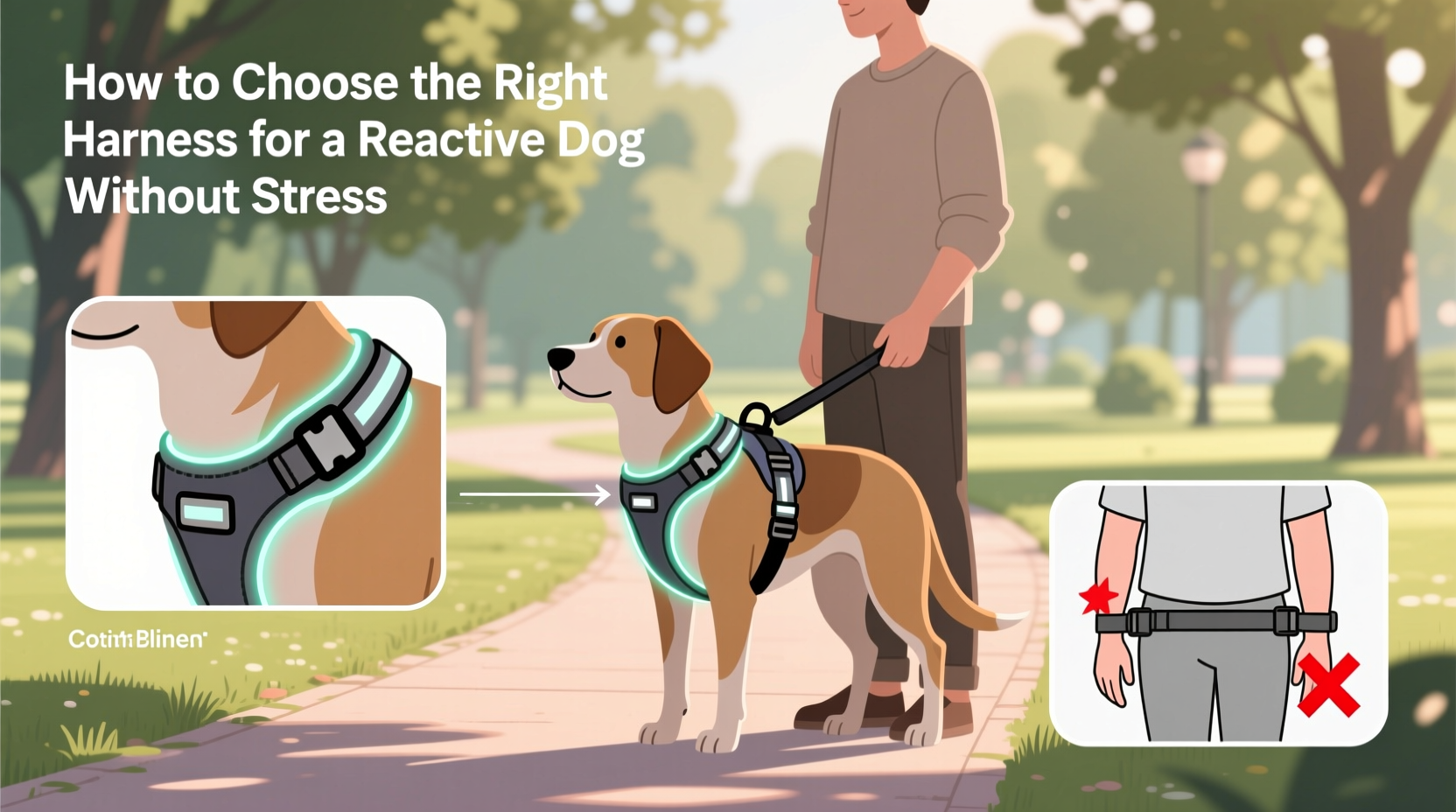
Dogs that react to triggers aren’t being defiant—they’re communicating distress. When a dog feels threatened, their instinctive response may include freezing, fleeing, or fighting. On a walk, these responses manifest as pulling, barking, or attempting to retreat. Traditional collars can exacerbate the issue by putting pressure on the trachea, especially when a dog pulls suddenly. This can lead to long-term respiratory issues, neck injuries, or increased anxiety due to pain.
A properly designed harness distributes pressure across the chest and shoulders rather than concentrating force on the neck. This not only protects delicate structures like the thyroid and trachea but also gives handlers more control with less effort. However, not every harness supports a reactive dog’s needs. Some styles, such as back-clip harnesses, can actually encourage pulling because they allow forward momentum. Others may be too restrictive or difficult to put on, adding to a dog’s stress before the walk even begins.
“Dogs don’t pull out of dominance—they pull because they’ve learned that moving forward gets them closer to what they want or further from what frightens them.” — Dr. Karen Overall, Veterinary Behaviorist
Key Features of a Stress-Reducing Harness
When selecting a harness for a reactive dog, prioritize comfort, safety, and behavior support. Look for these five critical features:
- Front-clip attachment point: A leash ring located on the chest discourages pulling by redirecting the dog’s momentum sideways when tension is applied. This gentle correction helps maintain focus on the handler.
- Adjustable fit: Multiple adjustment points ensure the harness fits snugly without pinching or chafing. Dogs with deep chests or narrow builds need customization to prevent slipping or rubbing.
- Soft, breathable materials: Reactive dogs are often hypersensitive. Harsh seams, stiff padding, or non-breathable fabrics can cause irritation that compounds anxiety.
- Easy-on design: Step-in or vest-style harnesses reduce handling stress. Avoid models requiring you to pull fabric over the head if your dog is sensitive to touch.
- No pressure on the shoulders: The harness should allow full range of motion. Restrictive designs can cause long-term gait issues or reluctance to move.
Comparing Popular Harness Types for Reactive Dogs
Not all harnesses serve the same purpose. Below is a comparison of common types based on suitability for reactive dogs:
| Type | Best For | Risks for Reactive Dogs | Recommended? |
|---|---|---|---|
| Back-Clip Harness | Calm, trained dogs | Encourages pulling; uneven pressure distribution | No |
| Front-Clip Harness (e.g., Freedom No-Pull) | Dogs that pull or lunge | May feel restrictive if poorly fitted | Yes |
| Vest-Style Harness (e.g., Ruffwear Front Range) | Sensitive or anxious dogs | Heavier material may overheat some breeds | Yes |
| Head-Halter (e.g., Gentle Leader) | Strong pullers needing direction control | Can cause neck strain if misused; not a true harness | With caution |
| Step-In Harness | Dogs fearful of being handled | Limited adjustability; may slip off narrow-chested breeds | Situational |
The front-clip and vest-style harnesses consistently emerge as top choices for reactive dogs due to their balance of control, comfort, and reduced physical strain. Models like the Freedom Harness or ComfortFlex by 2 Hounds Design combine soft neoprene padding with dual attachment points (front and back), allowing gradual transition from reactive to calm walking behavior.
Step-by-Step Guide to Fitting and Introducing the Harness
Even the best harness will fail if introduced incorrectly. Follow this timeline to ensure a smooth transition:
- Day 1–3: Visual and Olfactory Exposure
Place the harness near your dog’s bed or feeding area. Let them sniff it freely. Reward curiosity with treats. - Day 4–5: Touch Conditioning
Gently touch the harness to your dog’s body while offering high-value rewards. Focus on areas where straps will lie—chest, shoulders, behind front legs. - Day 6: First Wear (No Leash)
Put the harness on for short periods indoors. Remove immediately if signs of distress appear. Start with 30 seconds, gradually increasing to 10 minutes. - Day 7–10: Movement Practice
Allow your dog to walk around the house wearing the harness. Attach a lightweight leash and follow them, rewarding calm behavior. - Day 11+: Controlled Outdoor Trials
Use the harness on quiet streets or grassy areas with minimal distractions. Keep sessions under 10 minutes initially.
Monitor for signs of discomfort: excessive scratching, flattened ears, panting, or attempts to remove the harness. If these occur, reassess fit or consider switching materials.
Real-World Example: Helping Luna Regain Confidence
Luna, a 3-year-old Australian Shepherd, began reacting aggressively toward cyclists after being startled by a passing bike. Her owner, Maria, tried several back-clip harnesses, but Luna would pull harder, her breathing becoming labored. A veterinary behaviorist recommended switching to a front-clip harness with padded chest support.
Maria followed a slow introduction process, pairing each step with chicken treats and praise. Within two weeks, Luna tolerated the harness at home. By week four, they were walking calmly on residential streets with minimal reactions. The turning point came when Luna saw a cyclist and paused—looking back at Maria instead of lunging. The harness didn’t “fix” Luna’s fear, but it gave Maria the tools to manage distance and reinforce calm behavior.
“It wasn’t magic,” Maria said. “But having better control without choking her made all the difference. Now we practice near bike paths during off-hours, building her confidence one step at a time.”
Checklist: Choosing and Using Your Harness Safely
Before purchasing and using a harness for your reactive dog, go through this checklist:
- ✅ Measure your dog’s chest girth accurately (behind front legs)
- ✅ Choose a front- or dual-clip design for better steering
- ✅ Ensure the material is soft, non-abrasive, and quick-drying
- ✅ Confirm multiple adjustment points for a secure fit
- ✅ Test for mobility: Can your dog move freely without shoulder restriction?
- ✅ Introduce the harness gradually using positive reinforcement
- ✅ Pair initial use with treats, toys, or calming activities
- ✅ Monitor for redness, hair loss, or behavioral changes after use
- ✅ Replace if straps fray, clips weaken, or fit becomes loose
- ✅ Combine with training: A harness supports, but doesn’t replace, behavior modification
Frequently Asked Questions
Can a harness stop my dog from being reactive?
No single tool can eliminate reactivity. A harness helps manage the physical aspect of pulling and reduces injury risk, but true progress requires consistent training, desensitization, and sometimes professional support from a certified dog behavior consultant.
Should I use a harness or a head halter?
Most experts recommend starting with a front-clip harness. Head halters offer more directional control but can feel invasive and may increase anxiety in sensitive dogs. They require careful fitting and acclimation and are best used under guidance from a trainer.
How tight should the harness be?
The harness should be snug enough that it doesn’t slip over the dog’s shoulders but loose enough to fit two fingers between the strap and skin. Check fit regularly, especially after weight changes or intense exercise.
Final Considerations and Moving Forward
Choosing the right harness for a reactive dog is more than a gear decision—it’s part of a broader commitment to your dog’s mental and physical health. The ideal harness supports humane handling, reduces pain, and creates space for learning. It should never be used to suppress behavior through force or discomfort.
Remember that every reactive dog has a unique threshold. What works for one may overwhelm another. Take time to observe your dog’s response, invest in proper measurement, and prioritize patience over convenience. Pair your harness choice with reward-based training techniques, and consider consulting a force-free trainer if reactivity persists.




 浙公网安备
33010002000092号
浙公网安备
33010002000092号 浙B2-20120091-4
Comments
No comments yet. Why don't you start the discussion?