
In a world where digital distractions dominate and stress levels are rising, meditation has become more than a wellness trend—it’s a necessity. But with over 500 meditation apps available, finding the one that aligns with your specific mental health objectives can feel overwhelming. Not every app is built for the same purpose. Some excel in guiding beginners through breathwork, while others specialize in cognitive performance or emotional resilience. Choosing the wrong app might leave you frustrated, inconsistent, or disconnected from your practice. The key isn’t just downloading any meditation tool—it’s selecting one that serves your unique psychological needs.
Clarify Your Mental Health Goals First
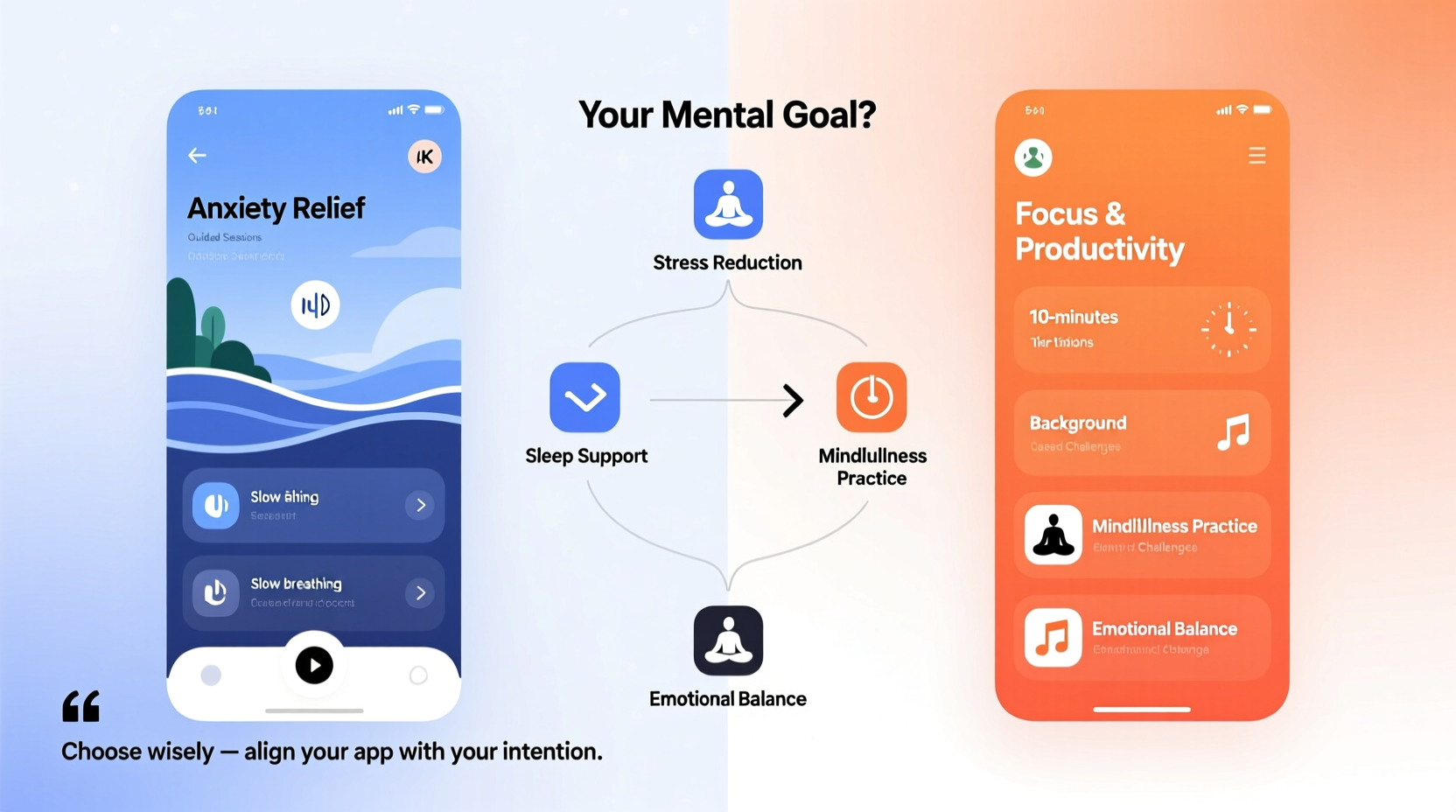
Before comparing features or subscription prices, take time to define what you truly want from meditation. Are you seeking relief from anxiety? Trying to improve concentration at work? Managing insomnia? Or cultivating deeper self-awareness? Your answer shapes which app will be most effective.
Common mental goals include:
- Stress reduction – Decreasing cortisol, managing overwhelm, and building emotional regulation.
- Better sleep – Addressing racing thoughts, insomnia, or nighttime anxiety.
- Improved focus and productivity – Training attention span and reducing mental clutter.
- Emotional healing – Processing grief, trauma, or low self-esteem through mindfulness.
- Spiritual development – Exploring consciousness, compassion, or non-duality.
- Habit formation – Using meditation as part of a broader lifestyle shift like quitting smoking or improving diet.
Without clarity here, you risk using an app that offers beautiful visuals and calming music but doesn’t address your core challenges. For example, someone struggling with panic attacks may benefit more from CBT-integrated sessions than ambient soundscapes.
Match App Features to Your Objectives
Once your goal is clear, evaluate apps based on functionality—not popularity. Here’s how different mental aims pair with specific app capabilities:
| Mental Goal | Key App Features Needed | Top Apps That Deliver |
|---|---|---|
| Stress & Anxiety Relief | Guided body scans, breathwork timers, SOS meditations, progress tracking | Headspace, Calm, Insight Timer |
| Better Sleep | Sleep stories, wind-down routines, white noise, bedtime meditations | Calm, Pzizz, Breethe |
| Focus & Productivity | Pomodoro integration, concentration exercises, minimal distraction design | Mindfulness.com, Brain.fm, Focus@Will (complementary) |
| Emotional Healing | Therapist-led content, trauma-informed practices, mood journaling | Tend, Healthy Minds Program, Ten Percent Happier |
| Spiritual Growth | Long-form sittings, teachings from monks/teachers, mantra practices | Lobster, Plum Village, Dharmapad |
| Habit Support | Custom reminders, milestone rewards, integration with habit trackers | Insight Timer, Medito, Balance |
For instance, if you're recovering from burnout, look for apps offering structured programs on nervous system regulation. If you're a student trying to study longer without distraction, prioritize apps with short “focus primers” under five minutes.
“Meditation isn't one-size-fits-all. An app that helps someone sleep may not support another person dealing with PTSD. Matching method to mind state is critical.” — Dr. Amara Patel, Clinical Psychologist & Mindfulness Researcher
Step-by-Step Guide to Selecting Your Ideal App
Follow this six-step process to make a confident, informed decision:
- Identify your primary mental goal – Be specific. Instead of “feel better,” say “reduce morning anxiety before work.”
- Research apps aligned with that goal – Read user reviews focused on outcomes, not just interface design.
- Test free trials or versions – Most apps offer 7–30 days free. Use this period seriously—meditate daily during it.
- Evaluate instructor tone and pacing – Do voices feel calming or robotic? Is guidance too fast or too slow?
- Check scientific backing – Look for apps developed with psychologists or universities (e.g., Healthy Minds Program by UW-Madison).
- Assess long-term sustainability – Will you still use it in three months? Does it adapt as your skills grow?
Avoid getting seduced by flashy animations or celebrity narrators unless they genuinely enhance your experience. Functionality should outweigh aesthetics.
Real Example: Sarah’s Search for Emotional Stability
Sarah, a 34-year-old project manager, downloaded Calm after seeing ads promoting relaxation. She used it sporadically for two weeks, mostly listening to sleep stories. While she fell asleep faster, her daytime anxiety worsened. After reflecting, she realized her real need wasn’t sleep—it was emotional regulation during high-pressure meetings.
She switched to Ten Percent Happier, which offers courses co-developed with therapists on topics like “Working with Difficult Emotions.” Within three weeks of consistent use, she reported improved pause-response behavior—taking breaths before reacting—and began recognizing anxiety triggers earlier.
The turning point wasn’t more meditation, but better-targeted meditation. Her second app provided language and frameworks relevant to workplace stress, something Calm’s general library lacked.
Expert-Backed Checklist Before You Subscribe
Use this checklist to avoid wasting money on apps that don’t serve your mental goals:
- ✅ Does the app offer content specifically related to my primary goal (e.g., panic attack recovery, ADHD focus)?
- ✅ Are instructors trained in psychology, neuroscience, or recognized contemplative traditions?
- ✅ Can I access offline content in case of poor connectivity?
- ✅ Is there a variety of session lengths (1 min to 30+ min) to fit changing energy levels?
- ✅ Does it allow customization (reminders, favorite tags, progress notes)?
- ✅ Is there clinical research or third-party validation supporting its effectiveness?
- ✅ Does the free version let me test core features before paying?
- ✅ Can I cancel easily if it doesn’t work out?
This isn’t about perfection—it’s about alignment. Even a highly rated app fails if it doesn’t meet your lived reality.
Don’t Overlook Accessibility and Inclusivity
Your mental health journey shouldn’t be hindered by cost, language, or representation. Some apps now prioritize inclusivity:
- Medito is completely free and open-source, ideal for users avoiding subscriptions.
- Healthy Minds Program offers multilingual support and culturally neutral content.
- Tend includes meditations led by BIPOC and LGBTQ+ teachers, focusing on marginalized stressors.
If financial strain is part of your mental load, avoid apps requiring $70/year unless absolutely necessary. Free tools like Insight Timer offer thousands of guided sessions from diverse teachers worldwide—no paywall required.
Frequently Asked Questions
Can a meditation app replace therapy?
No. While many apps incorporate therapeutic techniques like mindfulness-based cognitive therapy (MBCT), they are not substitutes for professional care. If you’re experiencing depression, trauma, or severe anxiety, consult a licensed therapist. Apps can complement treatment but shouldn’t stand alone in serious cases.
How long should I try an app before deciding it’s not right?
Give it at least 14 days of consistent use—ideally 5–10 minutes per day. Neuroplastic changes begin around this timeframe. However, if the voice irritates you or content feels irrelevant immediately, trust that instinct and switch sooner.
Are shorter meditations less effective?
Not necessarily. A well-designed 3-minute breathing exercise can reset your nervous system effectively. What matters most is consistency and intention, not duration. Beginners often benefit more from frequent short sessions than rare long ones.
Conclusion: Choose With Intention, Not Hype
Selecting a meditation app shouldn’t be a passive download based on app store rankings. It’s an intentional act of self-care—one that reflects your inner landscape and aspirations. When you align the tool with your true mental goals, meditation shifts from a chore to a lifeline. Whether you need grounding after trauma, sharper focus at work, or simply a moment of peace each day, the right app exists. Take the time to assess, test, and trust your judgment. Your mind deserves nothing less.




 浙公网安备
33010002000092号
浙公网安备
33010002000092号 浙B2-20120091-4
Comments
No comments yet. Why don't you start the discussion?