
Sleep is a cornerstone of health, and the quality of your rest begins with more than just your mattress. One often overlooked yet critical element is your pillow—specifically, its firmness. The right pillow supports proper spinal alignment, reduces neck pain, and enhances overall comfort throughout the night. But with so many options on the market, how do you determine which firmness level suits you best? The answer lies in two key factors: your sleeping position and your body type.
Choosing a pillow isn’t about personal preference alone. It’s about biomechanics. A pillow that’s too soft may allow your head to sink too deeply, straining your neck. One that’s too firm can elevate your head unnaturally, creating misalignment. When matched correctly to your sleep posture and physical build, the ideal pillow maintains a neutral spine from your ears through your shoulders and hips. This article breaks down how to make that match with confidence.
Understanding Pillow Firmness Levels
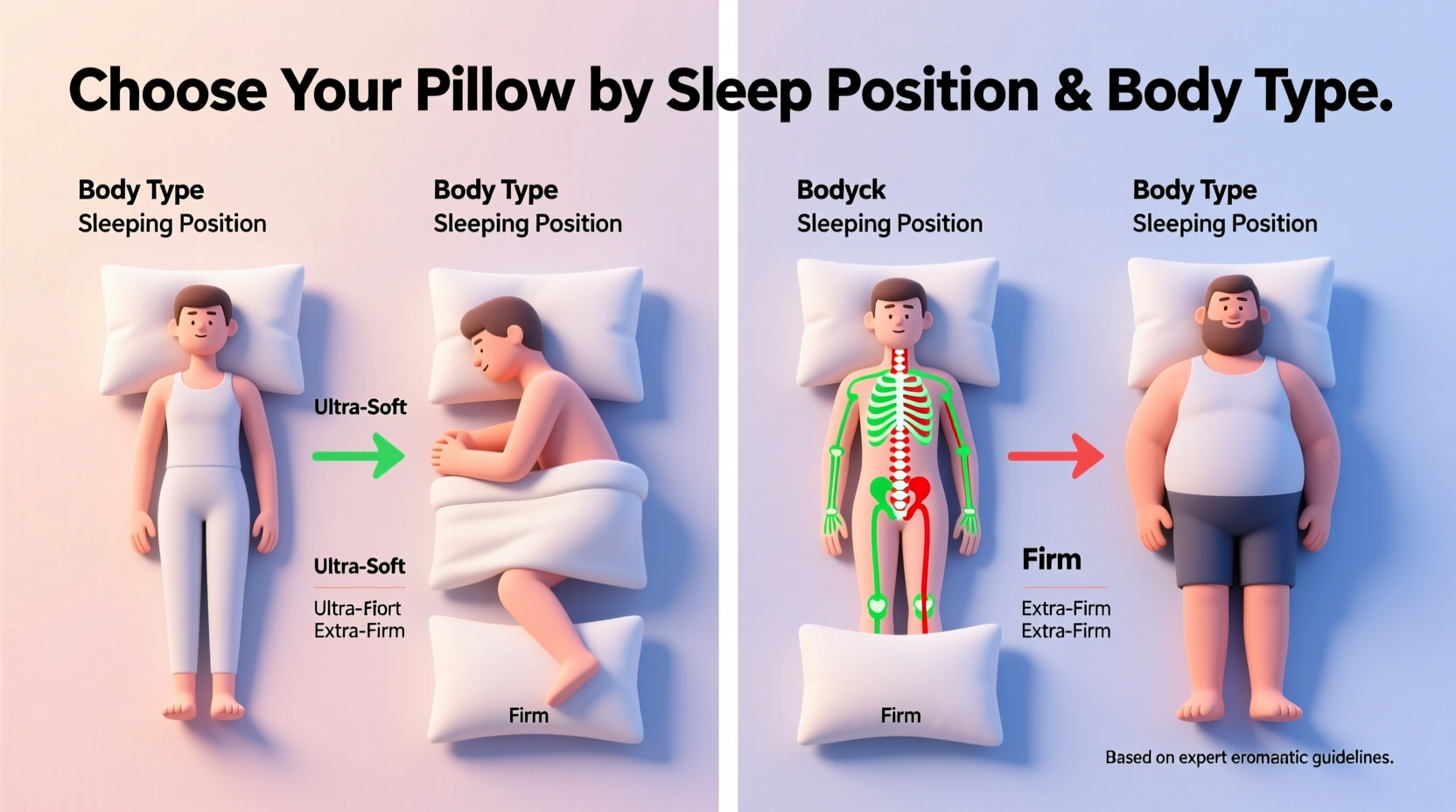
Pillow firmness generally falls into three categories: soft, medium, and firm. Each serves a different purpose depending on how you sleep and what your body requires.
- Soft pillows compress easily under pressure, conforming closely to the shape of your head and neck. They’re ideal for side sleepers with narrow shoulders or back sleepers who prefer a gentle cradle.
- Medium (or medium-firm) pillows offer balanced support—soft enough to cushion, firm enough to maintain structure. These are versatile and suit most average-weight individuals across multiple sleep positions.
- Firm pillows resist compression and provide substantial lift. They work well for stomach sleepers needing minimal elevation or side sleepers with broad shoulders requiring extra height.
Firmness also depends on the material. Memory foam tends to feel firmer due to its density, while down and down-alternative pillows can vary widely based on fill power and construction. Latex pillows are naturally supportive and resilient, offering consistent firmness over time.
Matching Pillow Firmness to Your Sleeping Position
Your preferred sleep position dictates how much space exists between your head and the mattress when lying down. That gap determines how much support your pillow must provide.
Side Sleepers: Need Higher Loft and Firmer Support
Side sleeping creates the largest gap between the ear and outside shoulder. Without adequate support, the head tilts downward, misaligning the cervical spine. Side sleepers typically need a higher-loft (thicker), firmer pillow to keep the head level with the spine.
The ideal firmness compensates for shoulder width. For example, someone with broad shoulders will require a taller, firmer pillow than a petite individual. Memory foam or latex models work particularly well here because they maintain structural integrity while contouring slightly to the neck.
“Side sleepers are at higher risk for neck strain if their pillow doesn’t fill the shoulder-to-head gap properly. A firm, high-loft pillow is often non-negotiable for spinal health.” — Dr. Lena Torres, Chiropractic Specialist
Back Sleepers: Benefit from Medium Firmness
Back sleepers need moderate support to maintain the natural curve of the cervical spine without overextending the neck. A pillow that’s too thick pushes the head forward, causing strain. Too thin, and the head drops below the spine’s neutral line.
A medium-firm pillow with medium loft is usually optimal. It gently supports the neck’s natural inward curve while allowing the head to rest flat. Contoured or cervical pillows—designed with a dip for the head and raised edges for the neck—are excellent choices for back sleepers seeking targeted support.
Stomach Sleepers: Require Soft, Low-Loft Pillows
Stomach sleeping is the most challenging position for spinal alignment. It naturally twists the neck as you turn your head to one side. To minimize this strain, stomach sleepers should use a soft, low-profile pillow—or no pillow at all, in some cases.
A thin, soft pillow prevents excessive neck extension. Memory foam may be too rigid unless it’s very low density. Down or down-alternative pillows that flatten under weight are often better suited. Some experts even recommend placing a thin pillow under the abdomen to reduce lower back arching, improving overall alignment.
How Body Type Influences Pillow Choice
Beyond sleep position, your physical build plays a crucial role in determining the right pillow. Two people sleeping on their sides may need vastly different pillows based on their shoulder width, neck length, and body weight.
Shoulder Width and Torso Size
Wider shoulders increase the distance between the side of the head and the mattress. This means a thicker, firmer pillow is necessary to bridge the gap. Petite individuals with narrow frames, conversely, may find standard side-sleeper pillows too bulky and uncomfortable.
For example, a male athlete with broad shoulders might need a 5–6 inch high memory foam pillow with firm density, while a smaller-framed woman may achieve alignment with a 3.5–4 inch medium-loft model.
Body Weight and Pressure Distribution
Heavier individuals exert more pressure on their pillows, causing softer materials to compress faster. Over time, this can lead to inadequate support. A firmer pillow made from high-density foam or latex resists compression and maintains shape longer.
Lighter individuals may find firm pillows too rigid, as their heads don’t sink in enough to achieve proper cradling. Softer materials like shredded foam or down clusters adapt more readily to lighter pressure.
| Sleep Position | Recommended Firmness | Loft (Height) | Best Materials |
|---|---|---|---|
| Side (average build) | Firm | High (4.5–6 inches) | Memory foam, latex |
| Side (petite frame) | Medium | Medium (3.5–4.5 inches) | Shredded foam, hybrid |
| Back (all builds) | Medium | Medium (3.5–5 inches) | Memory foam, contoured foam, down alternative |
| Stomach (light to average weight) | Soft | Low (2.5–3.5 inches) | Down, fiberfill, low-density foam |
| Combination sleeper | Medium | Medium (adjustable loft) | Adjustable fill pillows, shredded foam |
Step-by-Step Guide to Finding Your Ideal Pillow
Follow this practical process to identify the best pillow firmness for your unique needs.
- Determine your primary sleep position. Use a sleep tracker or ask a partner to observe your typical posture. Most people favor one position, even if they shift occasionally.
- Measure your shoulder width and torso size. Broad shoulders = higher loft needed. Narrow frame = lower profile suitable.
- Lie down on your bed with a potential pillow. Have someone take a photo from the side while you're relaxed. Check whether your head is aligned with your spine—ears should be in line with shoulders.
- Test firmness by lying on it for at least 5–10 minutes. Does your neck feel supported or strained? Is there pressure on the base of your skull?
- Consider temperature regulation. Memory foam retains heat; latex and down breathe better. If you sleep hot, prioritize cooling features regardless of firmness.
- Choose adjustable or customizable options if unsure. Pillows with removable fill (like shredded foam or microfiber) let you fine-tune loft and firmness over time.
- Allow a break-in period of 3–7 nights. Some materials, especially memory foam, require time to adapt to your body heat and pressure.
Real-World Example: Sarah’s Pillow Transformation
Sarah, a 34-year-old nurse and side sleeper, struggled with chronic morning neck stiffness. At 5'4\" with narrow shoulders, she had been using a thick, firm memory foam pillow marketed for side sleepers. However, the pillow elevated her head too high, creating a forward tilt in her spine.
After consulting a physical therapist, she switched to a medium-loft shredded memory foam pillow with adjustable fill. By removing some of the inner foam, she reduced the height to 4 inches and achieved neutral alignment. Within a week, her neck pain diminished significantly.
Her experience highlights an important truth: not all “side sleeper” pillows are created equal. Individual anatomy matters just as much as marketing labels.
Checklist: Choosing the Right Pillow Firmness
Use this checklist before purchasing your next pillow:
- ✅ I know my primary sleep position (side, back, stomach, or combination).
- ✅ I’ve considered my shoulder width and body type.
- ✅ I’ve tested pillow alignment by checking ear-to-shoulder positioning.
- ✅ I’ve evaluated material preferences (memory foam, down, latex, etc.).
- ✅ I’ve accounted for temperature sensitivity (hot sleeper? look for breathable fabrics).
- ✅ I’m willing to try an adjustable pillow if uncertain.
- ✅ I understand the importance of replacing pillows every 12–24 months.
Frequently Asked Questions
Can the wrong pillow cause neck pain?
Yes. A pillow that’s too high, too low, too soft, or too firm disrupts spinal alignment, leading to muscle strain, pinched nerves, and chronic discomfort. Persistent neck pain upon waking is often linked to improper pillow support.
Do I need a different pillow if I have sleep apnea or acid reflux?
Possibly. Individuals managing sleep apnea or GERD may benefit from slightly elevated head positioning. In such cases, a firmer, higher-loft pillow or wedge pillow can help open airways and prevent acid backflow. Always consult your doctor before making changes for medical conditions.
Are expensive pillows worth it?
Not always—but higher-priced pillows often use superior materials that last longer and provide better support. Look for value over price: a $80 pillow that lasts three years is more cost-effective than a $40 one replaced annually. Prioritize certifications (like CertiPUR-US for foams) and trial periods when investing.
Final Thoughts: Invest in Alignment, Not Just Comfort
Selecting the right pillow firmness is not a luxury—it’s a necessity for long-term musculoskeletal health. While comfort is important, true rest comes from alignment. A pillow that supports your natural posture reduces tension, improves breathing, and enhances deep sleep cycles.
Take the time to assess your sleep habits, body structure, and material preferences. Don’t settle for generic advice or trendy products. Your spine will thank you with fewer aches, greater mobility, and more restorative nights.




 浙公网安备
33010002000092号
浙公网安备
33010002000092号 浙B2-20120091-4
Comments
No comments yet. Why don't you start the discussion?