
Selecting the correct pot size for an indoor tree is more than a matter of aesthetics—it directly affects root health, moisture balance, and long-term growth. Many plant owners assume bigger is better, but oversized containers can lead to waterlogged soil and root rot, while undersized pots restrict development and cause stress. Understanding the science and practical considerations behind pot sizing ensures your indoor tree thrives rather than merely survives.
A well-chosen container supports healthy root expansion, efficient nutrient uptake, and balanced hydration. It also contributes to stability, especially as trees grow taller and top-heavy. Whether you're nurturing a fiddle-leaf fig, a dwarf citrus, or a weeping fig, proper pot selection is foundational to success.
Why Pot Size Matters for Indoor Trees
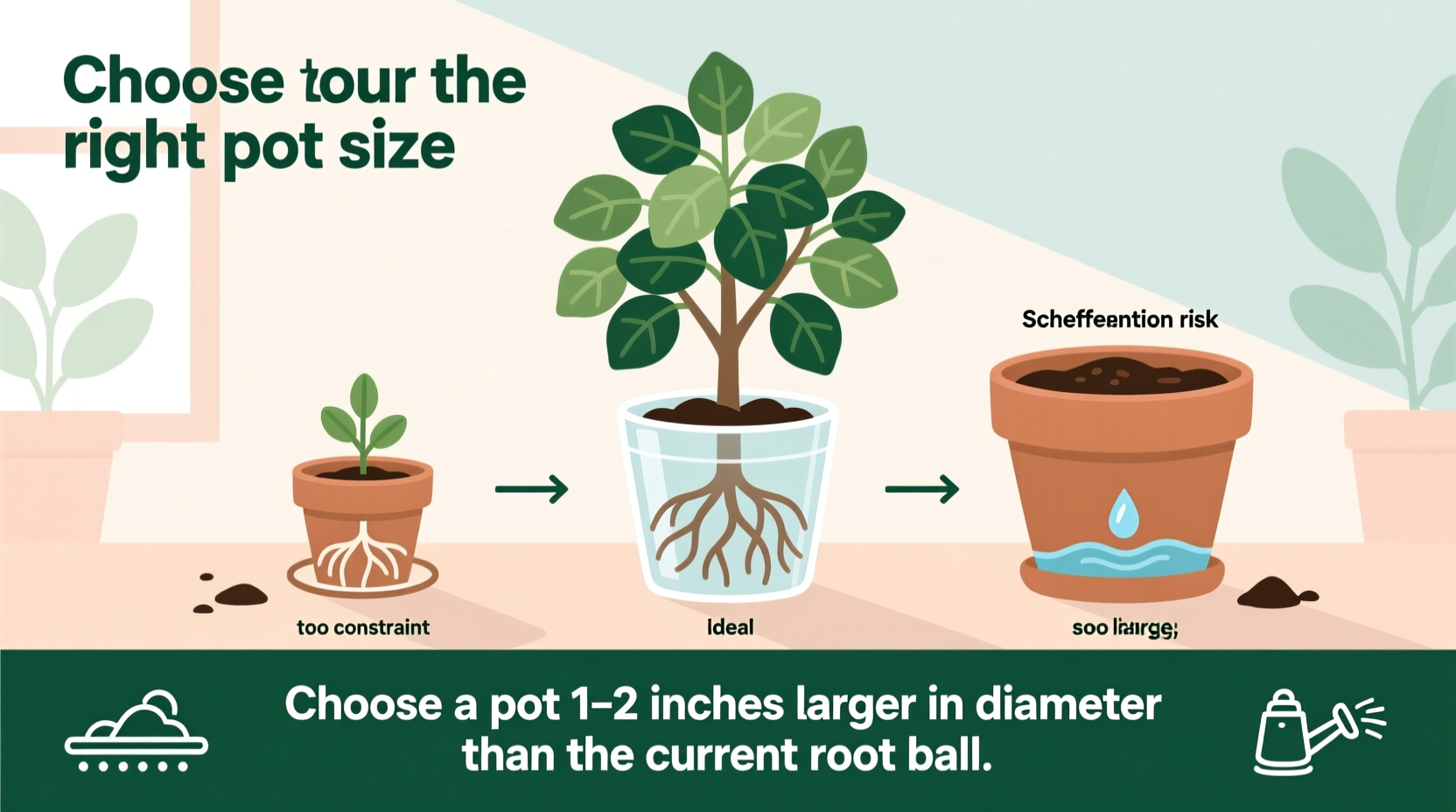
The pot serves as both a home and a lifeline for your indoor tree. Unlike outdoor trees that extend roots deep into the ground, potted trees are confined to the space provided. This limitation means every aspect of the container—its diameter, depth, material, and drainage—must be carefully considered.
Roots need room to grow, but not so much that excess soil retains moisture long after watering. A pot that’s too small forces roots to circle tightly, leading to root binding, reduced water absorption, and stunted growth. Conversely, a pot significantly larger than necessary holds more soil than the root system can effectively use, increasing the risk of fungal diseases and oxygen deprivation.
Additionally, the right pot supports structural stability. As indoor trees grow upward, their center of gravity shifts. A lightweight or narrow base may cause tipping, especially near vents or high-traffic areas. The ideal pot balances proportion, weight, and functionality.
Key Factors in Choosing the Right Pot Size
Several interrelated factors determine the optimal pot size for your indoor tree. These include the species’ growth rate, root structure, mature size, and environmental conditions within your home.
Tree Species and Growth Habits
Different trees have distinct root systems. For example, ficus varieties develop dense, fibrous roots that benefit from slightly snug conditions, while citrus trees prefer deeper pots to accommodate taproot development. Fast-growing species like the monstera (often trained as a tree form) require more frequent repotting, whereas slow growers such as olive trees may remain in the same pot for years.
Current Root System Assessment
Before selecting a new pot, inspect the roots. Gently remove the tree from its container and examine the root ball. Signs it’s time to upgrade include:
- Roots circling densely around the inside of the pot
- Visible roots emerging from drainage holes
- Soil breaking down quickly after watering
- Slow growth despite adequate light and nutrients
If roots are just beginning to reach the edges, a moderate increase in pot size is appropriate. If roots are already bound, trim any damaged or excessively long roots before transplanting into a larger container.
Pot Depth vs. Width
While diameter is often emphasized, depth matters just as much. Shallow-rooted trees like rubber plants do well in wide, moderately deep pots, whereas species with vertical root tendencies—such as avocado or dwarf apple trees—need deeper containers to encourage downward growth and prevent instability.
Material and Drainage Considerations
Pot material influences moisture retention and weight. Terracotta dries out faster due to its porosity, making it suitable for overwaterers or humid environments. Glazed ceramic and plastic retain more moisture, which can be beneficial in dry homes but risky if paired with poor drainage.
Regardless of material, ensure the pot has at least one drainage hole. Without proper drainage, even the perfectly sized pot can become a trap for stagnant water, leading to root decay.
“Pot size isn’t about fitting the plant today—it’s about supporting healthy growth tomorrow.” — Dr. Lena Patel, Urban Horticulturist, Brooklyn Botanic Garden
Step-by-Step Guide to Repotting Your Indoor Tree
Repotting should align with your tree’s growth cycle, typically in spring or early summer when active growth resumes. Follow this sequence to transition your tree safely:
- Assess the Need: Check for root binding, slowed growth, or water pooling on the surface. If the tree hasn’t been repotted in 2–3 years, evaluate now.
- Choose the Next Pot: Select a container 1–2 inches larger in diameter than the current one. For very large trees, consider staying the same size but refreshing the soil.
- Prepare Materials: Gather fresh, well-draining potting mix suited to your tree type (e.g., cactus mix for citrus, peat-based for tropicals), gloves, pruning shears, and a tarp or tray to contain mess.
- Remove the Tree Gently: Tip the pot sideways and support the trunk while easing the root ball out. Avoid pulling by the stem.
- Inspect and Trim Roots: Loosen compacted roots and prune any dark, mushy, or overly long ones. This encourages new root development.
- Add Fresh Soil: Place a layer of soil in the new pot. Position the tree so the top of the root ball sits 1–2 inches below the rim.
- Fill and Settle: Add soil around the sides, pressing gently to eliminate air pockets. Water thoroughly to help the soil settle.
- Post-Repot Care: Keep the tree in indirect light for 7–10 days to reduce transplant shock. Resume regular care afterward.
Common Mistakes and How to Avoid Them
Even experienced plant caretakers occasionally misjudge pot size. Recognizing these pitfalls can save your tree from unnecessary stress.
| Mistake | Consequence | Solution |
|---|---|---|
| Jumping two or more pot sizes | Excess soil retains water, causing root rot | Increase by only 1–2 inches in diameter |
| Using a pot without drainage | Water accumulates at the bottom, suffocating roots | Always use pots with drainage holes; add a layer of gravel if needed |
| Choosing a decorative pot as the primary container | Traps moisture, lacks airflow | Use a nursery pot inside the decorative one; remove for watering |
| Ignoring root health during repotting | Continues circular growth and nutrient blockage | Loosen roots and prune damaged sections |
| Placing a small tree in a large pot for “future growth” | Poor water regulation, increased disease risk | Pot size should match current root mass, not future potential |
Mini Case Study: Reviving a Stunted Fiddle-Leaf Fig
Jamal had nurtured a fiddle-leaf fig for two years, but it showed minimal growth and dropped leaves regularly. Despite providing bright, indirect light and a consistent watering schedule, the tree struggled. Upon inspection, he discovered the roots were tightly coiled and had begun growing through the drainage hole. He assumed a much larger pot would help, nearly doubling the diameter.
Within weeks, the tree declined further—leaves yellowed and soil stayed wet for over ten days. A local nursery advised him to downsize. He repotted into a container just 1.5 inches wider than the original, using fresh, aerated soil. After adjusting his watering frequency, the tree began producing new leaves within six weeks. The lesson? Incremental changes yield sustainable results.
Checklist: Choosing and Using the Right Pot
Use this checklist before purchasing or repotting your indoor tree:
- ☐ Measure the current pot’s diameter and depth
- ☐ Inspect the root system for binding or damage
- ☐ Choose a new pot 1–2 inches wider in diameter
- ☐ Ensure the pot has adequate drainage holes
- ☐ Match pot material to your environment (terracotta for humidity, plastic for dry air)
- ☐ Use a potting mix tailored to your tree species
- ☐ Repot during the growing season (spring/early summer)
- ☐ Water after repotting and allow recovery time in low-light conditions
- ☐ Monitor for signs of stress or overwatering in the following weeks
- ☐ Label the pot with date and soil type for future reference
Frequently Asked Questions
How often should I repot my indoor tree?
Most indoor trees benefit from repotting every 2–3 years. Slower growers may go longer, while fast-growing species may need annual attention. Watch for signs like roots emerging from drainage holes, water running straight through, or visible stunting.
Can I keep my indoor tree in a pot that’s too big?
It’s not advisable. An oversized pot increases the risk of overwatering because the soil stays wet longer than the roots can absorb. This creates an environment conducive to root rot and fungal pathogens. It’s better to repot incrementally as the tree grows.
What if my tree is too large to repot frequently?
For mature indoor trees, consider \"top-dressing\" instead. Remove the top 2–3 inches of old soil and replace it with fresh potting mix each year. This replenishes nutrients and improves soil structure without disturbing the root system. You can also prune roots and crowns every few years to maintain balance.
Conclusion: Grow With Intention
Choosing the right pot size for your indoor tree isn’t a one-time decision—it’s part of an ongoing relationship with your plant. By observing growth patterns, understanding root needs, and making thoughtful upgrades, you create conditions where your tree can flourish. Remember, the goal isn’t to fit the tree into a decorative container, but to provide a healthy, supportive environment that allows it to reach its full potential indoors.
Start by evaluating your current trees. Are they root-bound? Sitting in poorly draining pots? Take small, informed steps to improve their homes. Over time, you’ll notice stronger growth, richer foliage, and greater resilience.




 浙公网安备
33010002000092号
浙公网安备
33010002000092号 浙B2-20120091-4
Comments
No comments yet. Why don't you start the discussion?