
Resistance bands have become a staple in home fitness setups, offering a portable, affordable, and versatile way to build strength, improve mobility, and support recovery. Unlike bulky gym equipment, they take up minimal space and can be used by people of all fitness levels. But not all resistance bands are created equal. Choosing the wrong type can lead to ineffective workouts, discomfort, or even injury. Understanding the differences in materials, resistance levels, design, and intended use is essential to getting the most out of your training and rehabilitation routines.
Understanding Resistance Band Types
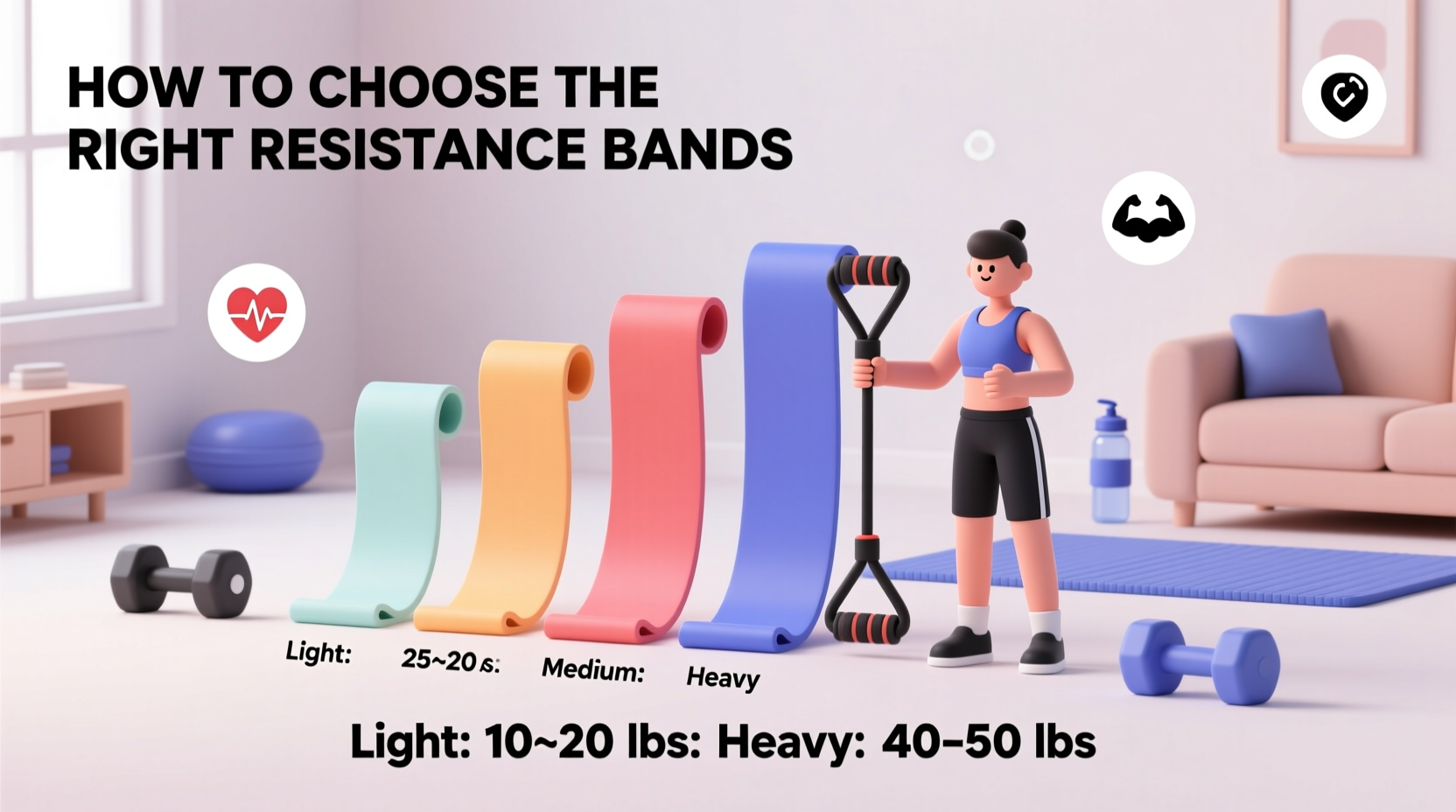
Before selecting a band, it's important to know the main types available. Each serves different purposes and offers unique benefits depending on your goals—whether you're building muscle, rehabilitating an injury, or enhancing flexibility.
- Loop Bands (Flat or Tubular): These are continuous loops, typically made from latex or fabric. Flat loop bands are ideal for lower-body exercises like glute bridges and lateral walks. Tubular bands with handles are better suited for upper-body movements such as rows and chest presses.
- Therapy Bands: Usually shorter and narrower, therapy bands are designed for physical rehabilitation. They provide lighter resistance and are often used under professional guidance to restore joint function and muscle activation.
- Figure-8 Bands: Shaped like the number 8, these allow for dual-hand grip and are excellent for upper-body pulling motions. They’re commonly used in physical therapy and Pilates-style workouts.
- Mini Bands: Small, thick loops placed around the thighs or ankles. Popular in strength and activation drills, especially for targeting glutes and hip stabilizers.
- Power Bands: Heavy-duty, thick latex bands capable of handling high tension. Used by advanced lifters for assisted pull-ups, squat overload, or progressive resistance training.
Selecting the Right Resistance Level
Resistance is measured in pounds of force (e.g., 10–50 lbs), and bands are usually color-coded to indicate intensity. However, there’s no universal standard—colors vary between brands. Always check the manufacturer’s specifications.
A common progression system includes:
- Light (Yellow/Beige): 10–15 lbs – Ideal for beginners, seniors, or rehabilitation.
- Medium (Green/Red): 20–30 lbs – Suitable for general toning and moderate strength work.
- Heavy (Blue/Black): 40–50 lbs – Best for strength building and advanced users.
- X-Heavy (Purple/Silver): 60+ lbs – Designed for power training and athletic conditioning.
The key is progressive overload. Start with a band that allows you to perform 12–15 controlled reps with good form. When the movement feels easy, move up a level. Overloading too soon can compromise technique and increase injury risk.
“Many patients recover faster when using properly graded resistance bands because they can gradually reintroduce load without joint strain.” — Dr. Lena Torres, Physical Therapist & Sports Rehab Specialist
Material Matters: Latex vs. Fabric vs. Rubber
The material affects durability, comfort, skin sensitivity, and performance. Here’s a breakdown of the most common options:
| Material | Pros | Cons | Best For |
|---|---|---|---|
| Latex | High elasticity, strong resistance, widely available | Can cause allergic reactions, degrades over time with sun/heat exposure | General strength training, rehabilitation (non-allergic users) |
| Fabric (Woven Polyester) | Durable, non-slip, latex-free, holds shape well | Limited stretch, less variety in resistance levels | Glute activation, home workouts, sensitive skin |
| Synthetic Rubber | Weather-resistant, consistent tension, long lifespan | Heavier, less portable, higher cost | Outdoor training, frequent use, commercial gyms |
If you have latex allergies, opt for fabric or rubber alternatives. While latex offers superior elasticity, fabric bands provide more stability during floor exercises and won’t roll or snap unexpectedly. Some high-end fabric bands also feature anti-snap technology and reinforced stitching for added safety.
Key Features to Evaluate Before Buying
Beyond type and material, several functional features impact usability and longevity:
- Tension Consistency: The band should offer smooth, predictable resistance throughout the range of motion. Jerky or uneven tension can disrupt form and reduce effectiveness.
- Durability & Reinforcement: Look for double-layered ends on tube bands, stitched seams on flat bands, and UV-resistant coatings if storing near windows.
- Grip & Comfort: Handles should be padded and ergonomic. Loop bands shouldn't pinch the skin or roll during use.
- Portability: Compact size and lightweight design make bands ideal for travel. Consider sets that come with carrying bags or storage pouches.
- Set Variety: A multi-band set with varying resistances gives you room to progress without buying new gear every few weeks.
Real-World Example: Recovering from a Shoulder Injury
Mark, a 42-year-old office worker, suffered a rotator cuff strain while moving furniture. His physical therapist prescribed a six-week recovery plan using light-resistance therapy bands. She started him with a beige (10 lb) latex-free band for external rotations and scapular retractions—movements that reactivated dormant muscles without compressing the joint.
Each week, Mark progressed to slightly heavier resistance as pain decreased and control improved. By week five, he transitioned to a green (25 lb) loop band for standing rows and resisted shoulder flexion. The portability allowed him to do daily sessions at home, accelerating his recovery. Within two months, he regained full range of motion and began strength training again—this time incorporating resistance bands into his regular routine to prevent re-injury.
This case illustrates how the right band choice—light resistance, latex-free material, proper length—can make a critical difference in recovery outcomes.
Step-by-Step Guide to Choosing Your Ideal Resistance Band
Follow this practical process to ensure you select the best band for your needs:
- Define Your Goal: Are you focusing on strength, mobility, rehabilitation, or activation? This determines band type and resistance range.
- Assess Your Current Fitness Level: Beginners should start with light to medium bands. Advanced users may need multiple bands for progressive overload.
- Check for Allergies or Sensitivities: If you react to latex, prioritize fabric or synthetic rubber bands.
- Measure Required Length: Standard loop bands are 12 inches in diameter; longer bands (up to 41 inches) suit taller individuals or door-anchor exercises.
- Evaluate Build Quality: Inspect stitching, elasticity, and surface texture. Reputable brands often include warranties or replacement policies.
- Test Before Committing: If possible, try a single band before purchasing a full set. See how it feels during actual exercises.
- Plan for Progression: Buy a set with at least three resistance levels to grow with your ability.
Do’s and Don’ts of Resistance Band Use
| Do’s | Don’ts |
|---|---|
| Inspect bands for nicks or cracks before each use | Use damaged or frayed bands |
| Anchor bands securely to stable points (door anchors, poles) | Attach bands to unstable furniture or sharp edges |
| Store in a cool, dry place away from sunlight | Leave bands stretched or exposed to heat for long periods |
| Use controlled, full-range movements | Perform jerky or ballistic motions that stress joints |
| Clean with mild soap and water if used frequently | Use alcohol-based cleaners that degrade elastic fibers |
Frequently Asked Questions
Can resistance bands build muscle as effectively as weights?
Yes, when used correctly. Resistance bands create variable tension—increasing as the band stretches—which can stimulate muscle growth comparable to free weights, especially in compound movements. They’re particularly effective for time-under-tension training and eccentric loading. However, maximal strength gains may require supplemental weight training for advanced lifters.
How long do resistance bands last?
Lifespan varies by material and usage. Latex bands typically last 6–12 months with regular use, especially if exposed to heat or sunlight. Fabric and rubber bands can last 2–3 years due to higher durability. Replace any band showing signs of cracking, loss of elasticity, or inconsistent resistance.
Are resistance bands safe for older adults or people with joint issues?
Yes, they are among the safest tools for low-impact exercise. The controlled resistance reduces joint compression compared to free weights. Many physical therapists recommend bands for improving balance, coordination, and functional strength in seniors. Always begin with light resistance and focus on form.
Essential Checklist: Picking the Right Resistance Band
- ☑ Define your primary use: strength, rehab, mobility, or activation
- ☑ Choose the correct type: loop, tube, figure-8, or mini band
- ☑ Select appropriate resistance level based on current ability
- ☑ Confirm material compatibility (especially for latex allergies)
- ☑ Check for durability features: reinforced ends, non-slip texture
- ☑ Ensure proper length and fit for your body and exercises
- ☑ Opt for a multi-level set to allow for progression
- ☑ Verify return policy or warranty from the manufacturer
Final Thoughts
Choosing the right resistance bands isn’t just about picking the strongest or cheapest option—it’s about matching the tool to your body, goals, and lifestyle. Whether you're recovering from an injury, maintaining fitness at home, or enhancing athletic performance, the correct band can make your efforts more efficient and sustainable. Invest time in understanding the nuances of resistance, material, and design. Prioritize quality over quantity, and always listen to your body’s feedback during use.




 浙公网安备
33010002000092号
浙公网安备
33010002000092号 浙B2-20120091-4
Comments
No comments yet. Why don't you start the discussion?