
Choosing the right rug size for a sectional sofa is more than an aesthetic decision—it’s about balance, function, and defining your living space. A well-chosen rug anchors the furniture, enhances room flow, and creates visual harmony. Too small, and the rug looks lost; too large, and it overwhelms the room. With sectionals being one of the most popular seating choices for modern homes, understanding how to pair them with the ideal rug is essential for any interior design plan.
This guide walks through the key considerations—from room dimensions and furniture placement to material and shape—to help you select a rug that complements your sectional without compromising on comfort or style.
Why Rug Size Matters with Sectional Sofas
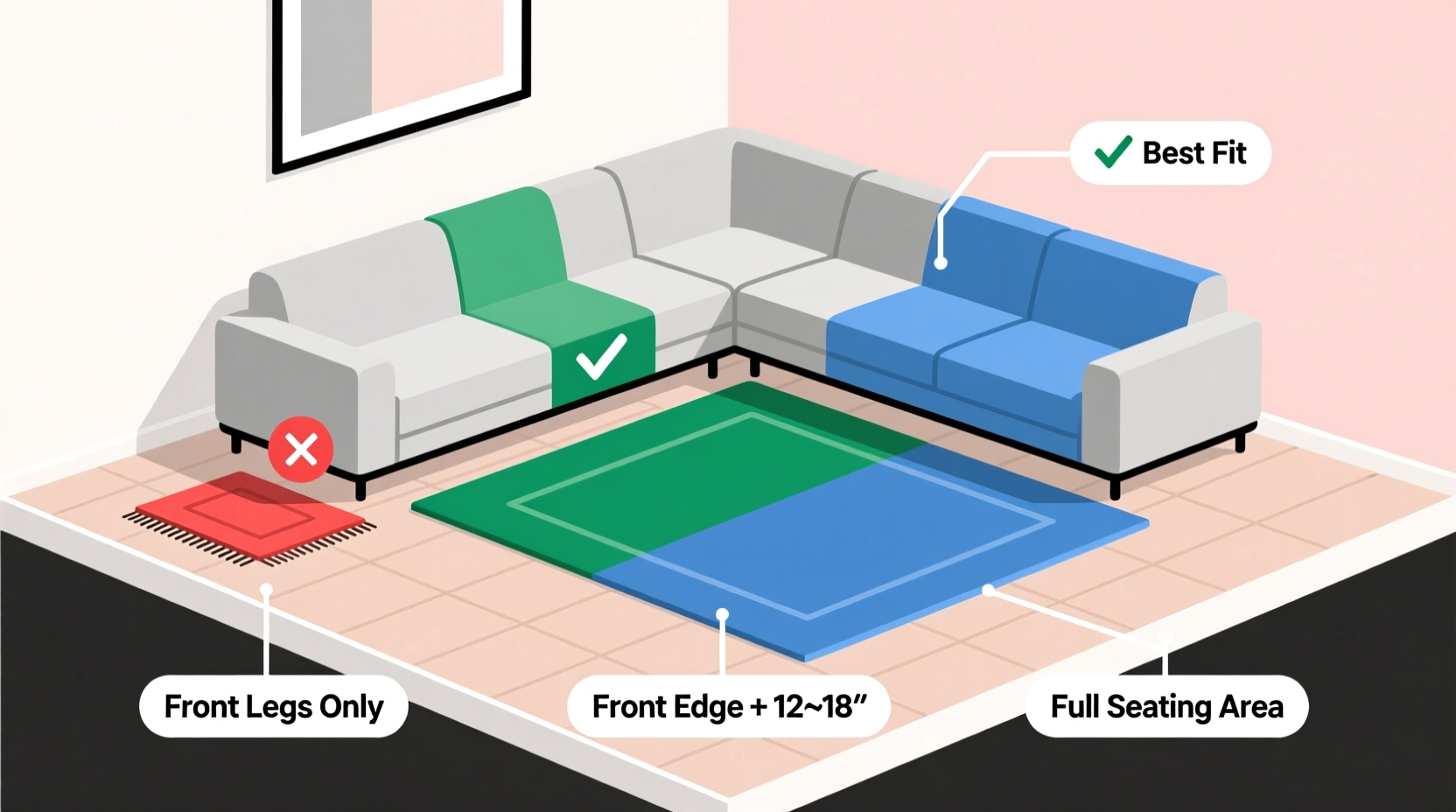
Sectional sofas are designed for spaciousness and flexibility. Their L-shaped, U-shaped, or modular configurations often dominate the living room, making them the centerpiece of the space. The rug beneath them plays a critical role in grounding the arrangement and preventing the furniture from appearing disjointed or floating.
A properly sized rug unifies the seating area, especially when paired with additional pieces like coffee tables, ottomans, or accent chairs. It also influences foot traffic patterns and defines where conversation zones begin and end. In open-concept layouts, rugs act as invisible room dividers, helping separate the lounge area from dining or kitchen spaces.
According to interior designer Laura Bennett, “The rug under a sectional should feel intentional—not an afterthought. It’s the foundation of the entire seating group.”
“The rug under a sectional should feel intentional—not an afterthought. It’s the foundation of the entire seating group.” — Laura Bennett, Interior Designer
Key Factors in Choosing the Right Rug Size
No single rug size fits every sectional setup. The ideal choice depends on multiple variables, including room dimensions, furniture footprint, and desired aesthetic. Below are the primary factors to evaluate before purchasing.
Room Dimensions and Proportions
Measure your room first. A common mistake is selecting a rug based solely on the sofa size while ignoring the available floor space. As a rule of thumb, leave at least 12–18 inches of bare floor between the edges of the rug and the walls. This breathing room prevents the space from feeling cramped.
In smaller rooms (under 150 sq ft), oversized rugs can make the area feel boxed in. Conversely, in large open-plan spaces (over 300 sq ft), undersized rugs fail to anchor the furniture effectively.
Furniture Placement Style
Your layout determines how much of the sectional should rest on the rug. There are three standard approaches:
- All legs on the rug: Ideal for formal or defined living rooms. Creates a cohesive, luxurious look but requires a larger rug.
- Front legs only: Most common in medium-sized rooms. Balances stability and practicality while keeping costs manageable.
- No legs on the rug: Rare and typically used when the rug serves as a decorative accent rather than a foundational piece.
For sectionals, having at least the front legs of both the main sofa and chaise on the rug is recommended for visual continuity.
Rug Shape and Sectional Configuration
While rectangular rugs are standard, the shape of your sectional may call for alternatives:
- L-shaped sectionals: Best paired with large rectangular or custom-cut rugs that follow the contour.
- U-shaped or modular setups: Often require square or oversized rectangular rugs to accommodate all sides.
- Sectionals with a corner unit: Consider a round or oval rug to soften angular lines and add visual interest.
Step-by-Step Guide to Measuring and Selecting Your Rug
Follow this six-step process to find the perfect rug for your sectional setup.
- Measure your sectional. Note the full width and depth, including any extended chaise or recliner components. For L-shaped units, measure both arms separately and identify the longest dimension.
- Determine your layout style. Decide whether all furniture legs will sit on the rug or just the front ones. This impacts minimum rug dimensions.
- Map out clearance. Add 18–24 inches of extra space around the sectional to allow for walking room and visual balance. For example, if your sectional is 10 feet wide, aim for a rug at least 12–13 feet wide.
- Choose rug shape. Match the rug shape to your sectional configuration. Rectangular works in most cases; consider custom sizes for irregular layouts.
- Select material and pile height. High-traffic areas benefit from low-pile, durable materials like polypropylene or wool blends. Plush rugs add comfort but may snag on moving parts of reclining sectionals.
- Test with painter’s tape. Outline the rug dimensions on the floor using tape to visualize proportions before buying.
Rug Size Recommendations by Room Type
The ideal rug size varies depending on your room’s purpose and scale. Below is a reference table to help match common sectional sizes with appropriate rug dimensions.
| Sectional Size | Room Type | Recommended Rug Size | Placement Tip |
|---|---|---|---|
| 7–8 ft (small L-shape) | Cozy living room | 8' x 10' | Front legs on rug |
| 9–10 ft (standard L-shape) | Medium living room | 9' x 12' | All legs on rug |
| 10–12 ft (large/U-shaped) | Open-concept space | 10' x 14' or 12' x 15' | All legs on rug + coffee table centered |
| 8–9 ft (with recliner) | Family room | 8' x 10' or 9' x 12' | Front legs only; allow space for recliner movement |
| Custom modular | Loft or great room | Custom cut or 12' x 16'+ | Ensure all main seating units are connected by rug |
Note: These are general guidelines. Always verify measurements in your specific space.
Common Mistakes to Avoid
Even experienced homeowners make errors when matching rugs to sectionals. Being aware of these pitfalls can save time, money, and design regrets.
- Choosing a rug that’s too small. A tiny rug under a large sectional makes the space feel unbalanced and unfinished.
- Ignoring door swing paths. Ensure the rug doesn’t interfere with opening doors or drawers, especially in tight spaces.
- Overlooking texture and maintenance. High-pile rugs may look plush but are harder to clean and can trap pet hair or debris near sectional crevices.
- Mismatching rug color with sectional tone. While contrast can work, extreme differences (e.g., bright red rug under a gray sofa) may clash unless intentionally styled.
- Forgetting about seams in large rugs. Rugs over 12 feet may be seamed. Check quality to avoid visible or weak joins.
Real-Life Example: Matching a Rug to an L-Shaped Sectional
Sarah moved into a 22’ x 16’ open-concept apartment and purchased a 10-foot L-shaped sectional for her combined living and dining area. Initially, she placed an 8’ x 10’ rug under just the main sofa arm, leaving the chaise off the rug entirely. The result felt disjointed—the chaise appeared disconnected from the rest of the seating group, and the coffee table sat awkwardly across the edge.
After consulting a designer, Sarah switched to a 9’ x 12’ wool-blend rug. She centered it under the entire sectional, ensuring all front legs were on the fabric and the coffee table fully rested on top. The change transformed the space: the seating area felt unified, and the rug helped define the lounge zone apart from the dining table nearby. Foot traffic flowed naturally around the anchored furniture, and the room gained a sense of intentional design.
Checklist: How to Choose the Right Rug for Your Sectional
Use this checklist before finalizing your purchase:
- ✅ Measured the full footprint of your sectional, including chaise and recliners
- ✅ Determined whether all or just front legs will rest on the rug
- ✅ Added 18–24 inches of clearance around the furniture for balanced proportions
- ✅ Confirmed the rug won’t block door swings or HVAC vents
- ✅ Selected a material suitable for your household (e.g., pet-friendly, stain-resistant)
- ✅ Verified the rug shape complements the sectional configuration
- ✅ Tested the dimensions using painter’s tape on the floor
- ✅ Checked care instructions and long-term maintenance needs
Frequently Asked Questions
Should the entire sectional fit on the rug?
It depends on your space. In larger rooms, placing all legs on the rug creates a polished, anchored look. In smaller rooms, having only the front legs on the rug is acceptable and more practical. At minimum, ensure both the main sofa and chaise have their front legs on the rug for cohesion.
What if my sectional is an odd size or shape?
Consider custom rugs or combining two identical runners side by side. Some retailers offer made-to-order options in standard shapes. Alternatively, use a round or oval rug to accommodate asymmetrical layouts creatively.
Can I layer rugs under a sectional?
Yes, layering adds texture and depth. Use a larger, neutral base rug (like sisal) and top it with a smaller, colorful or patterned rug centered under the coffee table. Just ensure the layers are secure and don’t pose a tripping hazard.
Final Thoughts and Action Steps
Selecting the right rug for your sectional isn’t about following rigid rules—it’s about creating a space that feels balanced, inviting, and functional. Start by measuring your furniture and room, then decide on your preferred layout style. Use tape to visualize the rug outline, compare material options, and refer to size charts as guidance, not gospel.
Remember, the rug is more than decoration; it’s the foundation of your living room’s design. A well-fitted rug enhances comfort, improves acoustics, and ties together colors and textures throughout the space. Whether you’re furnishing a compact apartment or a sprawling great room, taking the time to choose thoughtfully pays off in both aesthetics and daily livability.




 浙公网安备
33010002000092号
浙公网安备
33010002000092号 浙B2-20120091-4
Comments
No comments yet. Why don't you start the discussion?