
Selecting the perfect red lipstick can feel like searching for a needle in a haystack. With hundreds of shades available—from blue-based crimsons to warm brick reds—what works for one person may wash out another. The secret isn’t matching your lip color to your dress or shoes; it’s aligning it with your skin’s undertone. When you choose red lipstick based on your undertone, you enhance your natural radiance, create harmony in your complexion, and achieve a polished finish that looks effortless.
Red is more than just a bold statement—it’s a transformative tool. But wearing the wrong red can make you appear tired, sallow, or overly harsh. Understanding your undertone cuts through the confusion and turns lipstick shopping from overwhelming into intuitive.
Understanding Skin Undertones: The Foundation of Color Harmony
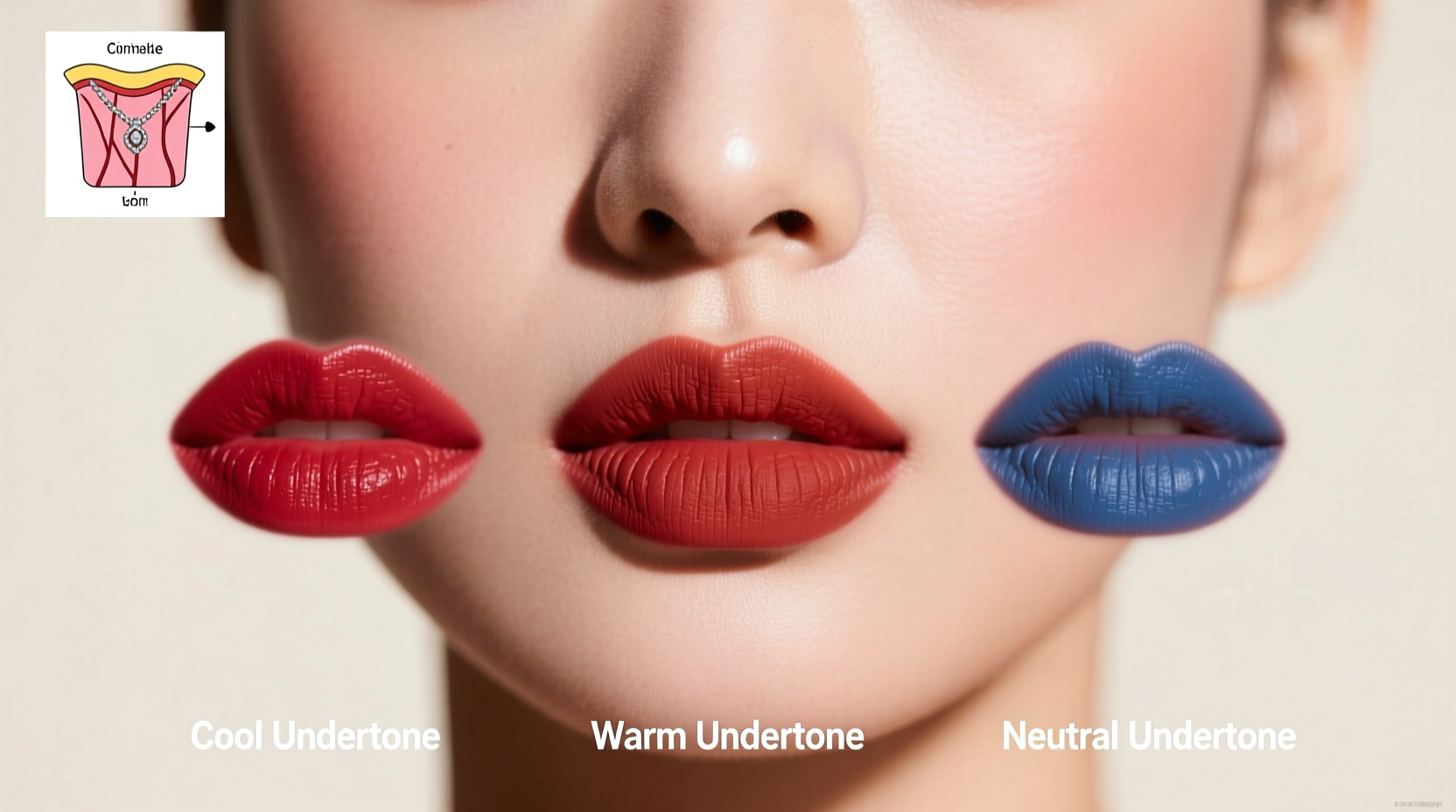
Your skin’s undertone is the subtle hue beneath the surface that influences how colors interact with your complexion. Unlike your skin tone (which refers to how light or dark your skin appears), your undertone remains consistent regardless of tanning or seasonal changes. There are three primary undertones: cool, warm, and neutral.
- Cool undertones: Skin has hints of pink, red, or bluish hues. Veins on the wrist often appear blue or purple.
- Warm undertones: Skin leans toward yellow, golden, or olive tones. Veins typically look greenish.
- Neutral undertones: A balanced mix of both cool and warm, or veins appear blue-green. Skin doesn’t strongly lean in either direction.
These undertones dictate which pigments in makeup will harmonize with your skin rather than clash. Red lipstick, being highly pigmented and visible, is especially sensitive to undertone mismatches.
The Science Behind Red Lipstick and Undertones
Red lipstick contains varying amounts of blue, orange, or yellow undertones within the pigment itself. These hidden hues determine whether a red will flatter or fight your complexion.
A cool-toned red (with blue or berry bases) complements cool undertones by creating contrast that brightens the face. Warm-toned reds (with orange or brown bases) echo golden undertones, adding warmth and vitality. Using a red with an opposing undertone can neutralize your skin’s natural glow—cool reds on warm skin may look ashy, while warm reds on cool skin can appear muddy.
“Color correction starts long before concealer. Choosing lipstick aligned with your undertone is preventive artistry—it ensures your base looks lit from within.” — Lena Torres, Celebrity Makeup Artist & Color Consultant
Think of it like interior design: pairing a cool gray wall with warm wood floors creates balance. But layering cool grays over cool tiles without warmth can feel sterile. Similarly, lipstick should complement, not compete with, your skin’s natural palette.
Step-by-Step Guide: How to Identify Your Undertone and Match It to Red Lipstick
Follow this practical process to confidently select red lipsticks tailored to your undertone.
- Assess your vein color: Look at the underside of your wrist in natural light. Blue/purple = cool. Green = warm. Blue-green or unclear = neutral.
- Test jewelry compatibility: Silver enhances cool undertones; gold flatters warm ones. If both work, you’re likely neutral.
- Observe sun reaction: Do you burn easily (common in cool tones) or tan readily (typical of warm tones)? This can offer clues.
- Use the white paper test: Hold a plain white sheet next to your face. If your skin looks yellow or peachy, you’re warm. If it looks pink or rosy, you’re cool.
- Swatch red lipsticks strategically: Test two types: a blue-based red and an orange-based red. Apply one on each side of your lips. Step back and observe which makes your skin look brighter and more even.
This method removes guesswork and helps you build a mental library of flattering red families.
Choosing the Right Red Based on Your Undertone
| Undertone | Best Red Lipstick Types | Shade Examples | What to Avoid |
|---|---|---|---|
| Cool | Blue-based reds, cherry reds, raspberry-crimson blends | Ruby Woo (MAC), Lady Danger (NARS), 420 (Maybelline) | Orange-reds, coral-tinted reds, brownish reds |
| Warm | Orange-reds, tomato reds, brick reds, terracotta reds | Indian Red (MAC), Rush Hour (Bobbi Brown), Matte Revolution in Rendezvous (Charlotte Tilbury) | Deep fuchsia-reds, icy reds, violet-leaning reds |
| Neutral | True reds, balanced cherry reds, slightly warm crimson | Fire Engine Red (Sephora Collection), Classic Red (Revlon), Russian Red (MAC) | Extremely cool or extremely warm extremes unless intentionally dramatic |
Remember, neutral undertones have flexibility—but even neutrals often lean slightly warm or cool. Pay attention to which reds consistently receive compliments or make your skin look healthier.
Real-Life Example: Sarah’s Red Lipstick Breakthrough
Sarah, a 34-year-old marketing executive with medium-tan skin, always avoided red lipstick. She’d tried classic reds from drugstore brands but found they made her look “tired” or “too strong.” After a consultation with a makeup artist, she discovered her skin had warm golden undertones—something she hadn’t noticed because her surface tone was neither very light nor very dark.
The artist applied a warm brick-red lipstick (closer to a rusted tomato shade) instead of the cool blue-reds Sarah had been choosing based on fashion magazine trends. The difference was immediate: her eyes looked brighter, her cheekbones more defined, and her overall appearance more vibrant. “I didn’t realize I was fighting my own skin,” Sarah said. “Now I only buy reds with a warm base—and I finally understand why red lipstick feels powerful instead of intimidating.”
This case illustrates how relying on trends or outfit coordination leads to mismatched results. Sarah had been selecting lipstick based on what celebrities wore, not what suited her biology.
Common Mistakes When Choosing Red Lipstick
Even seasoned makeup wearers fall into these traps:
- Mistaking skin tone for undertone: Darker skin isn’t automatically warm; lighter skin isn’t always cool. A fair-skinned person can have warm golden undertones, while deeper skin can carry cool blue or olive nuances.
- Trusting indoor lighting: Store mirrors with yellow or fluorescent lights distort color perception. Always test lipstick near a window.
- Ignoring lip liner: A well-matched lip liner reinforces the lipstick’s undertone and prevents feathering. Use a liner in the same temperature family as your lipstick.
- Over-relying on social media swatches: Screen calibration varies widely. What looks like a perfect cherry red online might appear orange or plum in real life.
- Choosing reds based on clothing color: Wearing a navy dress doesn’t mean you need a cool red. Your skin’s undertone doesn’t change with your wardrobe.
Expert Tips for Long-Term Lipstick Success
Beyond initial selection, maintaining a flattering red lip involves preparation and maintenance.
“A great red lip begins five minutes before application. Exfoliate, hydrate, and prime. Then match the undertone like you're tuning an instrument.” — Amir Chen, Lead Artist at Atelier Maquillage Paris
Follow this checklist to maximize impact and wearability:
Lipstick Selection & Application Checklist
- ✅ Determine your undertone using at least two methods (veins, jewelry, paper test).
- ✅ Swatch two contrasting reds (cool vs. warm) to compare effects on skin.
- ✅ Choose a formula that suits your lifestyle—matte for longevity, satin for comfort.
- ✅ Prep lips with gentle exfoliation and balm 10 minutes before application.
- ✅ Use a lip liner in the same undertone family to define and prolong wear.
- ✅ Blot and set with translucent powder for all-day hold.
- ✅ Carry a backup bullet or liquid liner for touch-ups.
Also consider your environment: if you spend most of the day under office fluorescents, opt for a slightly more saturated red, as artificial light tends to mute color.
Frequently Asked Questions
Can I wear different reds for different seasons?
You can, but the shift should be subtle. In winter, cooler lighting may make warm reds look richer. In summer, sunlight enhances warmth, so a slightly cooler red might balance your glow. However, your undertone doesn’t change—so stay within your core family. A warm-toned person might switch from a deep brick red in winter to a brighter tomato red in summer, but should still avoid blue-based reds.
I have neutral undertones. Which red should I start with?
Begin with true reds—those that aren’t overly blue or orange. Look for descriptions like “classic red,” “universal red,” or “balanced crimson.” Brands like Revlon, Maybelline, and Fenty Beauty often label such shades clearly. Test across different times of day to see which version makes your skin look most even and awake.
Does age affect which red lipstick I should wear?
Age influences texture and finish more than undertone. As skin matures, very matte formulas can emphasize fine lines. Opt for satin, creamy, or hydrated finishes in your ideal undertone range. A blue-based red on cool mature skin can still be stunning—if it’s in a nourishing formula. Focus on pigment alignment first, then adjust finish for comfort.
Final Thoughts: Let Your Skin Guide You
The most captivating red lipstick isn’t the trendiest or the most expensive—it’s the one that makes your skin glow, your eyes pop, and your posture straighten. That magic happens not by following fashion rules, but by honoring the unique chemistry of your complexion.
When you prioritize undertone over outfit, you shift from mimicking to expressing. You stop asking, “Does this look good?” and start knowing, “This is good—because it’s authentically me.”




 浙公网安备
33010002000092号
浙公网安备
33010002000092号 浙B2-20120091-4
Comments
No comments yet. Why don't you start the discussion?