
Dogs, like humans, need protection from the elements—especially during rainy seasons. A well-fitting raincoat keeps your pet dry, prevents chills, and supports overall health by reducing exposure to dampness that can lead to skin issues or joint discomfort. But not all raincoats are created equal, and even the highest-quality materials won’t help if the coat doesn’t fit properly. An ill-fitting raincoat can restrict movement, cause chafing, or leave critical areas exposed. Choosing the right size isn’t just about measurements; it’s about ensuring comfort, full coverage, and freedom of motion. This guide walks you through every step of selecting a raincoat that fits your dog perfectly—no guesswork required.
Understand Why Proper Sizing Matters
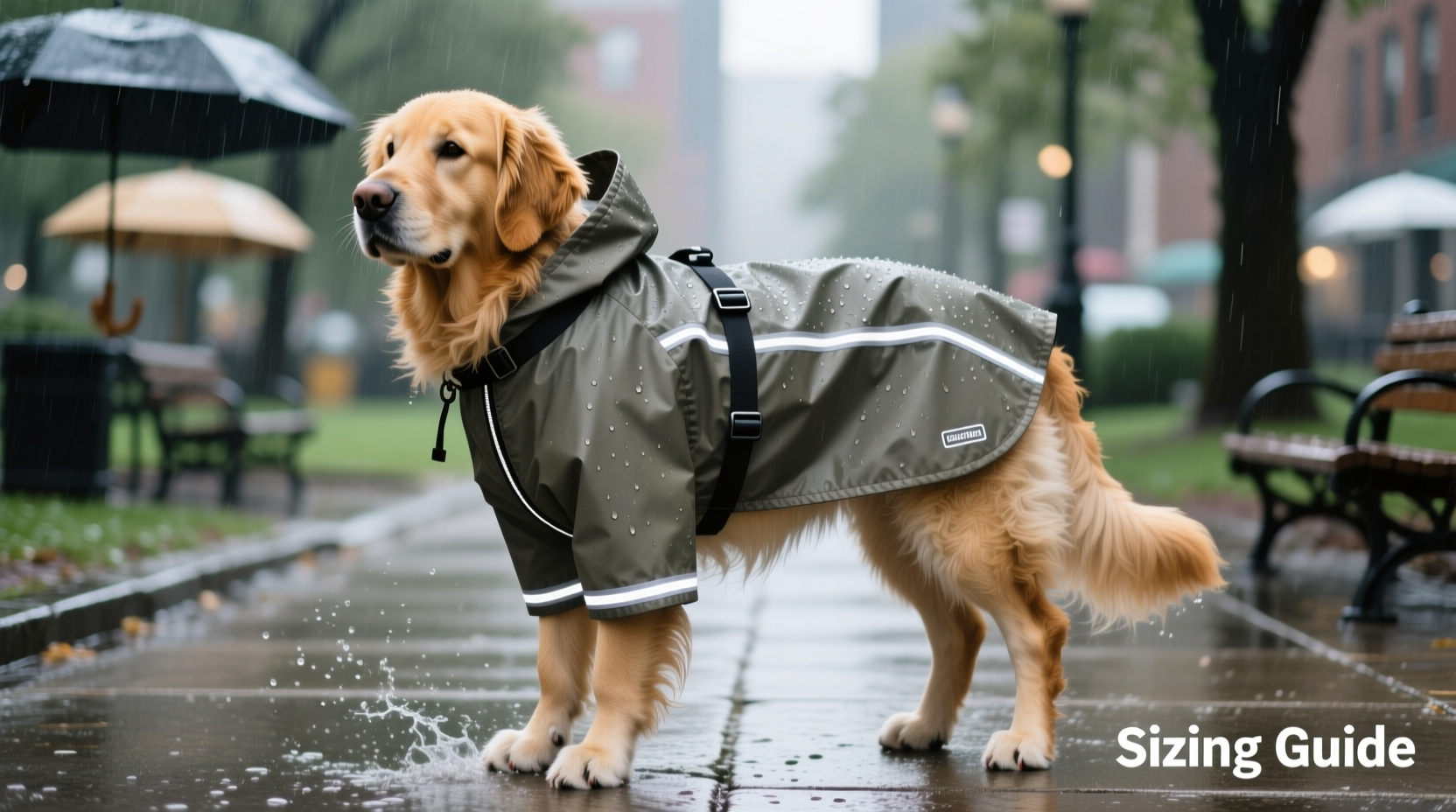
A raincoat that’s too tight will press against your dog’s shoulders, limit leg movement, and rub under the armpits, leading to irritation. One that’s too loose may flap in the wind, get caught on obstacles, or allow water to seep in around the neck and belly. The goal is a snug but flexible fit: close enough to block wind and rain, yet roomy enough to let your dog walk, run, sit, and shake naturally.
Proper coverage is equally important. A quality raincoat should extend from the base of the neck to at least the tail base, cover the back and sides adequately, and ideally include a high collar or hood to shield the chest and head from downpours. Shorter cuts might be suitable for quick walks, but extended outdoor time demands more comprehensive protection.
“Fit is everything when it comes to functional dog apparel. A coat that slides or binds compromises both comfort and safety.” — Dr. Lena Patel, Veterinary Behaviorist & Canine Ergonomics Consultant
Measure Your Dog Accurately: The Foundation of Fit
The first step in choosing the right raincoat is gathering accurate body measurements. Never rely solely on breed or weight charts—individual variation is too great. Use a soft measuring tape and follow these steps:
- Back Length: Measure from the base of the neck (where the collar sits) along the spine to the base of the tail. This is the most critical measurement for determining coat length.
- Neck Girth: Measure around the widest part of the neck, just behind the ears. Ensure the tape is snug but not tight—two fingers should fit comfortably underneath.
- Chest Girth: Wrap the tape around the deepest part of the chest, typically just behind the front legs. This is usually the largest point and determines whether the coat will close without strain.
- Weight (Optional): While not a primary sizing factor, weight can help cross-reference manufacturer guidelines, especially for mixed breeds.
Step-by-Step Measurement Guide
To ensure consistency:
- Use a non-stretch fabric tape measure.
- Have a helper hold the dog still in a natural standing position.
- Mark each measurement clearly before moving to the next.
- Double-check each number before comparing to brand-specific size charts.
Some brands use proprietary sizing systems. Always refer to the specific brand’s size chart—not a generic one—even if you’ve used similar sizes before.
Compare Sizes Across Brands with Confidence
There is no universal standard for dog clothing sizes. What’s labeled “Medium” by one brand may be equivalent to a “Large” in another. This inconsistency makes direct comparisons unreliable. Instead, match your dog’s actual measurements to the brand’s detailed sizing table.
| Brand | Size | Back Length Range | Chest Girth Range | Notes |
|---|---|---|---|---|
| Ruffwear | M | 15–17\" | 28–32\" | Stretch panels; true to fit |
| Canada Pooch | M | 16–18\" | 26–30\" | Slightly shorter cut; check coverage |
| RC Pet Designs | M | 14–16\" | 27–31\" | Tailored fit; runs snug |
| Petote | M | 17–19\" | 30–34\" | Generous cut; ideal for thick coats |
Notice how the same “Medium” spans different dimensions. Always prioritize exact measurements over size labels. If your dog falls between sizes, opt for the larger one—especially if they have a thick undercoat or broad chest.
Check Key Fit and Coverage Points Before Buying
Once you’ve selected a potential size, evaluate how it performs across key areas of function and comfort. These checkpoints help determine whether the coat will deliver both protection and wearability.
- Neck Opening: Should be snug enough to prevent rain entry but loose enough to allow easy breathing and head movement. No pulling or pinching.
- Shoulder Clearance: The coat must not ride up when your dog lifts a leg. Look for gusseted arms or stretch panels that accommodate motion.
- Belly Coverage: The bottom hem should hang low enough to shield the abdomen but not so low that it drags on wet ground.
- Tail Hole Fit: Too tight causes rubbing; too wide lets water in. It should encircle the tail base without constriction.
- Mobility Test: After putting the coat on, observe your dog walking, sitting, and turning. There should be no bunching, lifting, or resistance.
Real-World Example: Fitting Bella the Border Collie
Bella, a 45-pound Border Collie, had a sleek build but deep chest. Her owner bought a “Medium” raincoat based on weight alone. The coat zipped shut but pulled tightly under the arms, restricted shoulder movement, and rode up her back when she ran. After measuring, they found her chest girth was 31\"—on the upper edge of Medium for that brand. Switching to a Large from a different brand with stretch side panels solved the issue. The new coat allowed full range of motion, covered her hindquarters completely, and stayed securely in place during hikes in heavy rain.
This case illustrates why relying on breed or weight leads to poor outcomes. Functional fit depends on structure, posture, and activity level.
Choose Features That Enhance Comfort and Protection
Size is essential, but design features influence long-term comfort and effectiveness. Consider these upgrades when selecting a raincoat:
- Adjustable Straps: Buckles or Velcro at the neck and chest allow fine-tuning the fit as your dog moves or gains/loses slight weight.
- Reflective Trim: Improves visibility during early morning or evening walks.
- Hood with Elastic Brim: Keeps rain off the face without obstructing vision.
- Leash Access Point: A hole on top allows leash attachment without removing the coat.
- Waterproof vs. Water-Resistant: Fully waterproof coatings (like TPU laminates) offer better protection than water-resistant fabrics in prolonged downpours.
For dogs with sensitive skin, look for interior linings made of soft, non-abrasive materials like fleece or mesh. Avoid PVC-heavy coats, which can trap heat and cause overheating even in cool weather.
Dos and Don’ts of Raincoat Selection
| Do | Don’t |
|---|---|
| Measure your dog every season—coat thickness changes with shedding cycles | Assume last year’s size still fits |
| Choose slightly longer cuts for dogs who spend time in tall grass or puddles | Select ultra-short styles for dogs with long torsos |
| Opt for adjustable closures for growing puppies or fluctuating weights | Buy rigid, non-adjustable coats unless fit is perfect |
| Test mobility indoors before outdoor use | Take a newly fitted coat on a long hike without prior trial |
Frequently Asked Questions
How do I know if the raincoat is too tight?
If the fabric pulls across the chest, leaves red marks on the skin, or your dog resists wearing it, the coat is likely too small. Also, if the leg openings pinch or the neck restricts head turning, it needs adjusting or resizing.
Can I return a raincoat if it doesn’t fit?
Most reputable retailers allow returns within 30 days, provided the coat is unworn and tags are intact. However, policies vary—check return terms before purchasing, especially from third-party sellers. Some specialty brands offer exchange-only options due to hygiene concerns.
My dog hates wearing clothes. Will a better fit help?
Often, yes. Many dogs dislike clothing because of poor fit—scratching, binding, or unfamiliar pressure points. A well-sized, lightweight raincoat with minimal bulk and soft seams can make a big difference. Introduce it gradually with treats and short sessions to build positive association.
Final Checklist Before Purchase
Before clicking “buy,” go through this checklist to ensure you’re making the best choice:
- ✅ Accurate measurements taken (back length, neck, chest)
- ✅ Compared to the specific brand’s size chart
- ✅ Chose size based on largest relevant measurement (usually chest)
- ✅ Checked for adjustable closures and stretch zones
- ✅ Verified coverage reaches tail base and shields belly
- ✅ Confirmed return policy in case of fit issues
- ✅ Read customer reviews focusing on fit and durability
Conclusion: Prioritize Fit, Function, and Freedom
Choosing the right size dog raincoat isn’t just about staying dry—it’s about respecting your dog’s comfort, movement, and dignity. A properly sized coat enhances outdoor experiences, encourages activity in wet weather, and reduces health risks from prolonged moisture exposure. By measuring accurately, understanding brand differences, and testing for real-world performance, you give your dog the protection they need without compromising their natural behavior.




 浙公网安备
33010002000092号
浙公网安备
33010002000092号 浙B2-20120091-4
Comments
No comments yet. Why don't you start the discussion?