
Selecting the perfect duvet insert isn't just about warmth—it's about fit, function, and long-term comfort. A poorly sized insert can bunch up, shift inside the cover, or leave unsightly gaps at the corners. Yet many people rely on guesswork, assuming that matching the label size (like “queen” or “king”) is enough. It’s not. The reality is that bedding standards vary by brand, region, and even mattress depth. Choosing the wrong size leads to frustration, wasted money, and a less restful sleep environment.
The key to getting it right lies in understanding three core elements: your duvet cover’s actual dimensions, your mattress depth, and the desired loft and fill distribution. This guide walks you through each step with precision, offering tools and insights that eliminate uncertainty. Whether you're upgrading your bedding or replacing an old insert, this article ensures you make a confident, informed decision—no guesswork required.
Understand the Difference Between Duvet Cover and Insert Sizes
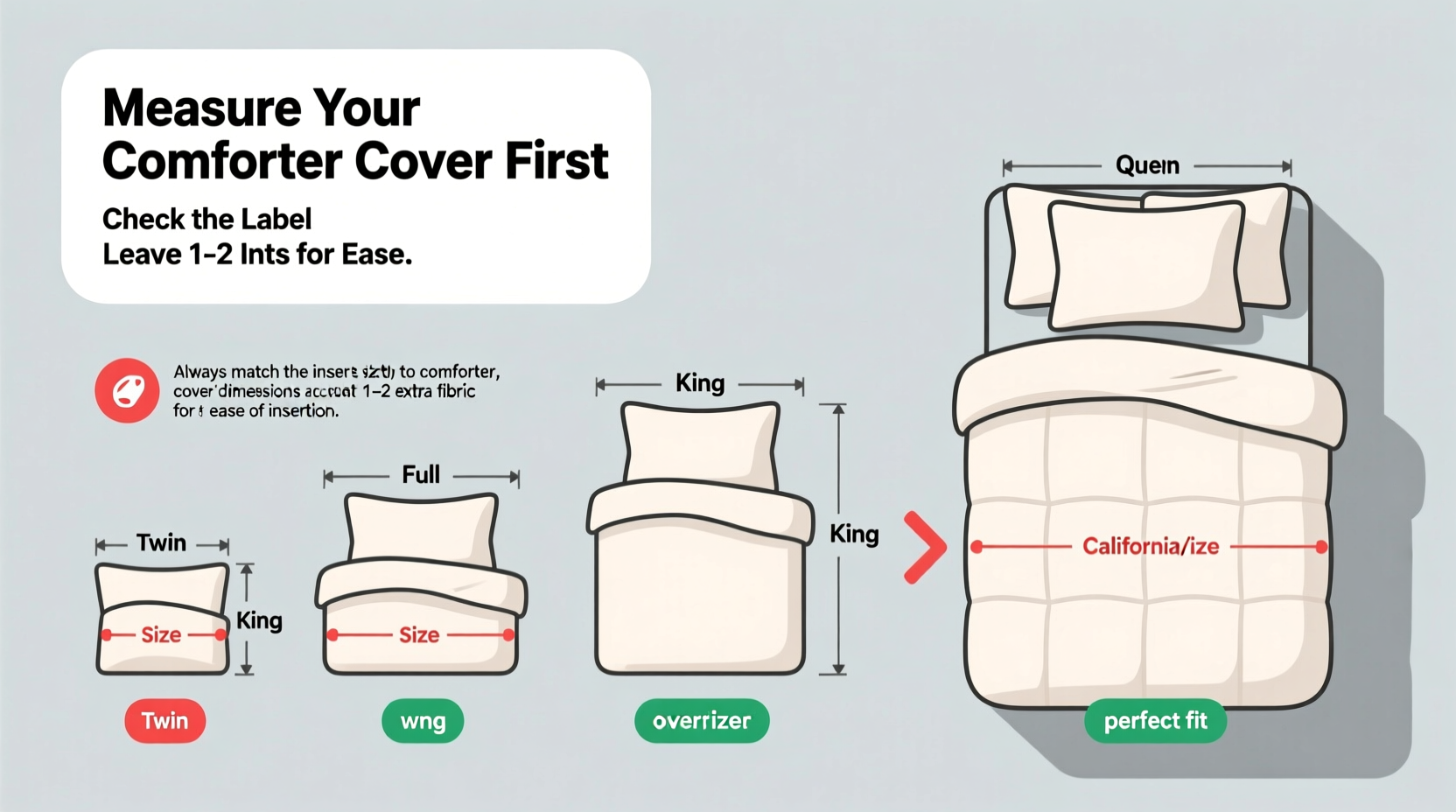
A common misconception is that duvet inserts and covers are standardized across brands. In truth, manufacturers often design covers with slight variations in size to accommodate different aesthetics—some prefer a snug fit, others a fuller, plumper look. An insert labeled “queen” might measure 88x90 inches from one brand but 90x92 from another. Similarly, duvet covers may list a “queen” size while actually measuring 92x94 inches to allow for puffiness.
This mismatch causes issues. If the insert is too small, it will drift inside the cover, leaving empty corners. If it's too large, it creates stress on the seams and makes insertion difficult. The solution? Always measure your duvet cover before purchasing an insert.
Once you have the exact interior dimensions of your cover, aim for an insert that is within 1–2 inches smaller in both directions. This allows for gentle expansion of down or down-alternative fills while preventing strain on stitching. For example, if your cover measures 90x92 inches, an 88x90 insert is ideal. This slight variance ensures fullness without overstuffing.
Measure Your Mattress Depth for Optimal Fit
Your mattress thickness directly affects how your duvet sits on the bed. Deeper mattresses—especially those with pillow tops or hybrid constructions—can range from 14 to 18 inches tall. When layered with sheets and a comforter, the total height increases further. If your duvet insert doesn’t account for this, the comforter may appear short or fail to drape properly over the sides.
To determine the correct insert size, start by measuring your mattress from top to bottom. Use a tape measure vertically from the base of the mattress to the highest point of the sleeping surface. Include any toppers or thick mattress protectors in this measurement.
Next, consider how you like your bedding styled. Do you prefer a hospital-corner tuck with tight edges, or a relaxed, oversized drape? If you favor the latter, you’ll want a slightly larger insert to maintain volume and coverage. However, for a tailored look, stick closer to the measured cover size.
“Most comforters hang 12–16 inches down the side of the bed. To achieve that balanced drop, match your insert to both cover size and bed height.” — Lena Torres, Bedding Designer at RestWell Interiors
Step-by-Step Guide to Selecting the Perfect Insert
Follow this five-step process to ensure accuracy every time:
- Remove and lay flat your duvet cover. Unzip or unbutton it completely and smooth it out on a clean surface like a bed or floor.
- Measure the interior dimensions. Using a retractable tape measure, record the width and length between the inner seams. Don’t estimate—write down the numbers.
- Check your mattress depth. Measure from the bottom of the mattress to the top of the fitted sheet. Add 2 inches to account for layering.
- Determine your preferred loft level. Decide whether you want a plush, billowy look (requires fuller insert) or a sleek, minimalist profile (allows for slightly smaller insert).
- Select the insert accordingly. Choose an insert that matches your cover’s measurements within a 1–2 inch margin. Prioritize fill power and material based on climate and personal preference.
Sizing Comparison Table: Standard vs. Actual Measurements
The table below shows typical nominal sizes alongside average real-world dimensions. Note that these are general ranges; always verify with your specific product.
| Nominal Size | Average Duvet Cover Size (inches) | Recommended Insert Size (inches) | Common Mattress Height Range |
|---|---|---|---|
| Twin | 68 x 86 | 66 x 84 | 10–14″ |
| Twin XL | 68 x 90 | 66 x 88 | 10–14″ |
| Full/Double | 80 x 90 | 78 x 88 | 12–15″ |
| Queen | 90 x 92 | 88 x 90 | 12–16″ |
| King | 104 x 92 | 102 x 90 | 13–17″ |
| California King | 100 x 96 | 98 x 94 | 13–17″ |
This chart serves as a starting point. Remember, luxury brands may cut covers larger to enhance fluffiness, while budget lines may use tighter tolerances. Always cross-reference with your own measurements.
Material and Fill Type Matter Too
Size isn’t the only factor. The type of fill influences how the insert behaves inside the cover. Down inserts expand over time after being compressed in packaging. They require a cover with some extra room—about 2 inches more than the insert—to reach their full volume. In contrast, down-alternative polyester inserts maintain consistent dimensions and don’t fluff up significantly post-unboxing.
If you’re using a down insert, err on the side of a slightly smaller size to prevent excessive shifting. With microfiber or synthetic fills, you can go closer to exact match since they resist clumping and distribute evenly.
Fill power also plays a role. Higher fill power (600+ for down) means greater loft and insulation per ounce. These inserts generate more puff, so pairing them with a properly sized cover becomes even more critical. A high-loft insert in a too-small cover will create pressure points and reduce breathability.
Mini Case Study: Fixing a Sagging Queen Comforter
Sarah purchased a queen-sized duvet insert online to match her existing cover. Within days, she noticed the comforter looked flat and bunched toward the center. Corners were empty, and the overall appearance was sloppy. She assumed the insert was defective.
Upon measuring her duvet cover, she discovered it was actually 92x94 inches—larger than standard queen dimensions. Her insert, labeled “queen,” measured only 88x90. That 4-inch shortfall caused the sagging effect.
She replaced it with a 90x92 insert specifically marketed as “oversized queen” for fuller coverage. The difference was immediate: the comforter filled the cover completely, with no shifting or gaps. By focusing on actual measurements rather than labels, Sarah solved the problem permanently.
“Labels lie. Tape measures tell the truth.” — Marcus Lin, Quality Control Manager at Northern Bedding Co.
Checklist: How to Choose the Right Duvet Insert Size
- ✅ Measure your duvet cover’s interior dimensions (length and width)
- ✅ Record your mattress depth including topper and sheets
- ✅ Determine your preferred drape style (tight vs. loose)
- ✅ Choose an insert 1–2 inches smaller than the cover in each dimension
- ✅ Consider fill type: down expands, synthetics stay compact
- ✅ Check customer reviews for insights on true-to-size accuracy
- ✅ Verify return policy in case adjustments are needed
Frequently Asked Questions
Can I use a king insert in a queen duvet cover?
No, doing so risks overfilling the cover, causing strain on seams and difficulty closing buttons or zippers. It may also lead to lumps and uneven distribution. Stick to inserts designed for your cover’s size unless the manufacturer specifies compatibility with oversized fills.
Why does my duvet insert shift inside the cover?
Shifting usually occurs when the insert is too small or lacks corner ties. Some high-end inserts come with internal loops that attach to buttons inside the cover, anchoring them in place. Alternatively, look for covers with internal ties or corner straps to keep the insert centered.
Do all brands follow the same sizing standards?
No. Sizing varies widely between manufacturers, especially between American, European, and boutique brands. European duvets tend to be longer to accommodate taller beds, while U.S. standards prioritize width. Always check product specifications and, when possible, request exact measurements from the seller.
Final Tips for Long-Term Satisfaction
Beyond initial sizing, maintaining proper fit over time requires care. Wash your duvet insert according to instructions—over-washing can degrade fibers and reduce loft. Use a duvet cover to minimize direct wear. Rotate your insert seasonally if you have multiple weights, ensuring even usage and longevity.
Store off-season inserts in breathable cotton bags, not plastic, to prevent moisture buildup and mildew. Avoid compressing them for extended periods, as this damages the fill structure, especially in down products.
Conclusion: Sleep Better with the Right Fit
Choosing the right duvet insert doesn’t need to be confusing or frustrating. By measuring your cover, understanding your mattress setup, and selecting based on actual dimensions—not just labels—you gain control over comfort, aesthetics, and durability. The perfect fit enhances your bedroom’s look, improves sleep quality, and extends the life of your investment.




 浙公网安备
33010002000092号
浙公网安备
33010002000092号 浙B2-20120091-4
Comments
No comments yet. Why don't you start the discussion?