
Walking through a bedding aisle or scrolling online, it’s easy to be swayed by bold numbers promising luxury: “800-thread-count Egyptian cotton!” The implication is clear—higher thread count equals better sleep. But this marketing myth often leads consumers to overspend on sheets that feel no better—and sometimes worse—than more affordable options. The truth is, thread count is just one factor in sheet quality, and beyond a certain point, increasing it offers diminishing returns. Understanding what thread count actually means, when it matters, and how to balance it with fabric type, weave, and price can save you hundreds of dollars while improving your sleep experience.
What Thread Count Really Means
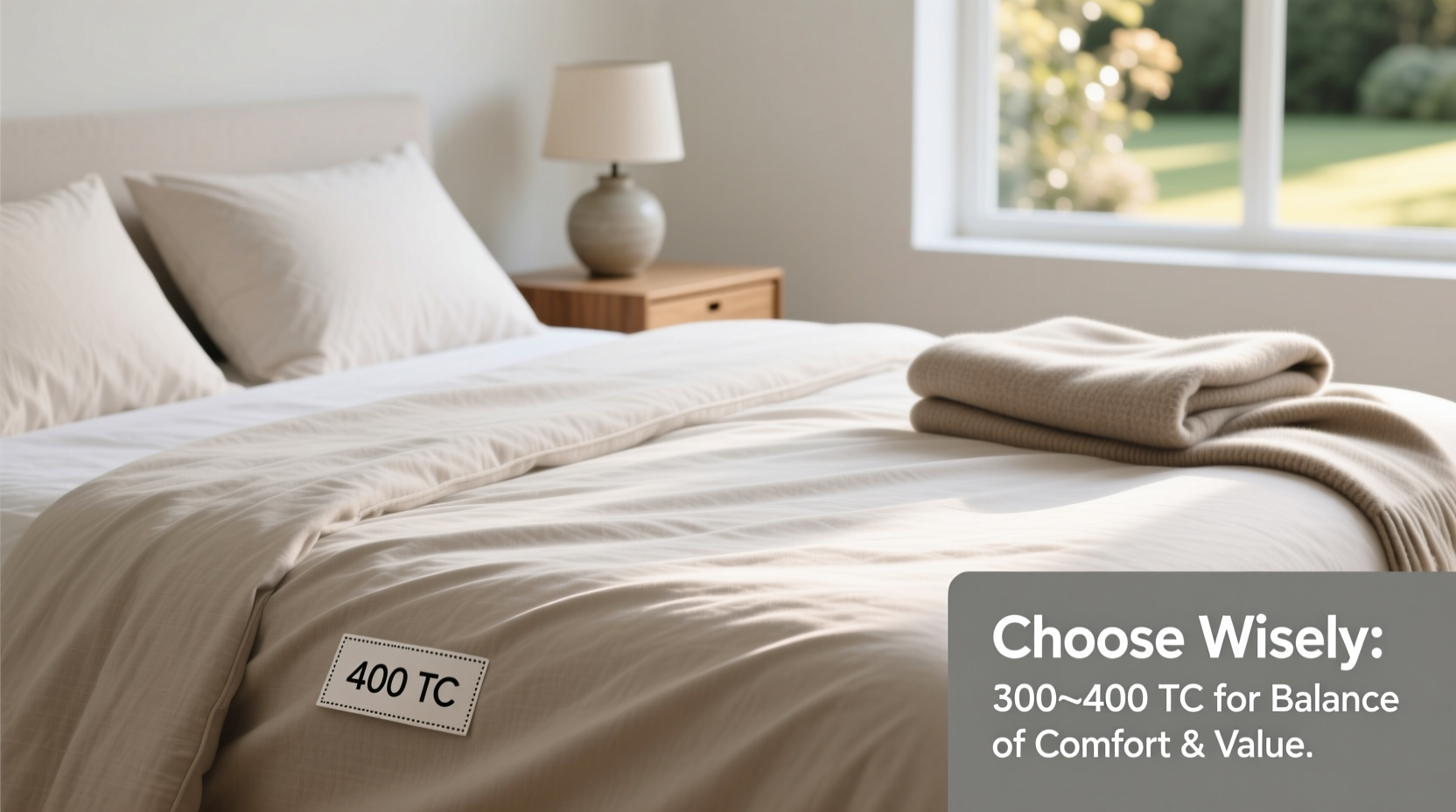
Thread count refers to the number of horizontal (weft) and vertical (warp) threads woven into one square inch of fabric. A 300-thread-count sheet has 150 warp threads and 150 weft threads per inch. While this seems straightforward, manufacturers have exploited loopholes in measurement standards. Some count individual strands in multi-ply yarns separately, inflating the number. For example, a sheet made with two-ply yarns twisted together might count each strand twice, turning a 250 actual thread count into a misleading 500.
The Federal Trade Commission (FTC) has called out deceptive labeling, but enforcement remains inconsistent. As a result, a high thread count doesn’t guarantee softness, durability, or breathability. In fact, ultra-high counts (600+) often use thinner, weaker fibers to fit more threads into a square inch, compromising longevity and comfort.
“Thread count is not the best indicator of quality. Fabric type and weave matter far more than a big number on the tag.” — Dr. Linda Nguyen, Textile Scientist at the American Sleep Products Association
The Sweet Spot: Ideal Thread Counts by Fabric Type
Not all fabrics perform the same at different thread counts. The ideal range depends on fiber composition and construction. Here’s a breakdown of what works best for common sheet materials:
| Fabric Type | Recommended Thread Count Range | Why This Range Works |
|---|---|---|
| Cotton (Regular) | 200–400 | Balances softness and breathability; avoids overly dense weaving. |
| Combed Cotton | 300–400 | Pre-treated fibers allow smoother weave and enhanced softness. |
| Egyptian Cotton | 300–400 | Naturally long fibers create strong, soft sheets without needing high counts. |
| Pima or Supima Cotton | 300–400 | High-quality, durable fibers perform best in mid-range weaves. |
| Percale Weave | 200–400 | Crisp, cool feel; higher counts reduce breathability. |
| Sateen Weave | 300–500 | Denser weave creates sheen and softness, but over 500 risks stiffness. |
| Linen | No thread count needed | Linen is judged by weight (gsm); higher thread count isn’t relevant. |
| Bamboo | 300–400 | Soft naturally; higher counts add cost without benefit. |
Notice that even premium fabrics rarely need more than 400–500 threads per inch. Beyond that, performance plateaus or declines. Sheets above 500 are often marketing gimmicks rather than functional upgrades.
Avoiding Overpriced Traps: Where You’re Wasting Money
Many consumers assume that spending $200 on 800-thread-count sheets guarantees a five-star hotel experience. In reality, they’re often paying for inflated numbers, not superior comfort. Consider this real-world example:
Mini Case Study: Sarah’s Sheet Upgrade That Wasn’t
Sarah bought a set of “luxury” 800-thread-count Egyptian cotton sheets for $180, expecting cloud-like softness. After three washes, the fabric felt rough, pilled in spots, and lost its sheen. Frustrated, she compared them to her old 300-thread-count percale sheets from a budget brand. To her surprise, the cheaper ones felt cooler, softer, and held up better over time. She later learned the expensive sheets used multi-ply yarns and chemical finishes to simulate softness—features that degraded quickly.
This is a common story. Premium pricing often reflects branding, packaging, and misleading specs—not better materials. Retailers capitalize on the assumption that “more is better,” especially during holiday sales or luxury store promotions.
Red Flags of Overpriced Sheets
- Thread count above 600: Likely uses thin, low-quality fibers or double-counted plies.
- Vague fabric descriptions: Phrases like “Egyptian-style cotton” or “luxury blend” lack certification.
- No mention of ply: Single-ply yarns are stronger and softer; if it’s not stated, it’s probably multi-ply.
- Overuse of chemical softeners: Sheets that feel silky out of the package may lose softness after washing.
“We tested over 100 sheet sets and found no performance difference between 300 and 700 thread count when using the same cotton type and weave.” — Consumer Reports, 2023 Bedding Lab Results
How to Choose Smartly: A Step-by-Step Guide
Selecting high-quality, cost-effective sheets requires a methodical approach. Follow these steps to make a confident purchase without falling for marketing tricks.
- Determine your preferred feel: Do you like crisp, cool sheets (percale) or smooth, silky ones (sateen)? This decision matters more than thread count.
- Choose the right fabric: Opt for long-staple cottons like Pima, Supima, or genuine Egyptian cotton. These fibers are naturally soft and durable.
- Check the ply: Look for “single-ply” yarns. They’re stronger and create a cleaner weave than multi-ply alternatives.
- Set your thread count range: Stick to 300–400 for most cotton sheets. Avoid anything above 500 unless verified by a trusted third party.
- Read independent reviews: Sites like Consumer Reports, Wirecutter, and bedding forums often test sheets beyond marketing claims.
- Consider total cost per year: A $120 sheet set lasting five years costs $24/year. A $200 set lasting two years costs $100/year—more expensive long-term.
- Wash before judging: Many cotton sheets soften significantly after 2–3 washes. Don’t return them too soon.
Essential Buying Checklist
Before purchasing any sheet set, verify these points to ensure value and quality:
- ✅ Fabric is 100% long-staple cotton (Pima, Supima, Egyptian) or another breathable natural fiber
- ✅ Thread count between 300–400 (or N/A for linen)
- ✅ Single-ply yarns confirmed in product details
- ✅ Weave type matches your preference (percale = crisp, sateen = silky)
- ✅ No inflated claims like “1000-thread-count luxury”
- ✅ Verified customer reviews mentioning durability and softness over time
- ✅ Reasonable price per set—ideally under $100 for queen size
Frequently Asked Questions
Is 1000 thread count good for sheets?
No. Thread counts above 500 are typically misleading. Manufacturers achieve these numbers by counting individual strands in multi-ply yarns, which results in weaker, less breathable fabric. Sheets in the 300–400 range with single-ply yarns consistently outperform higher-count alternatives in durability and comfort.
Are low thread count sheets worth it?
Yes, if they’re well-made. Sheets with a thread count as low as 200 can feel excellent if made from high-quality cotton with a tight, balanced weave. Percale sheets, known for their crispness, often perform best in the 200–300 range. Focus on fabric quality first, thread count second.
Do hotels use high thread count sheets?
Surprisingly, no. Most luxury hotels use sheets in the 250–400 thread count range. The iconic “hotel feel” comes from a combination of high-quality long-staple cotton, percale weave, and professional laundering—not extreme thread counts. Brands like Frette and Springs Global supply top hotels with sheets averaging 300–360 thread count.
Conclusion: Invest in Quality, Not Numbers
Choosing the right bed sheets doesn’t require chasing the highest thread count or the priciest label. It requires understanding what truly affects comfort and durability. By focusing on fiber quality, weave type, and realistic thread count ranges, you can find sheets that feel luxurious, last longer, and cost less over time. The best sleep surfaces aren’t defined by a number—they’re built from thoughtful craftsmanship and honest labeling. Stop overpaying for inflated specs. Start prioritizing what actually matters: softness, breathability, and long-term value.




 浙公网安备
33010002000092号
浙公网安备
33010002000092号 浙B2-20120091-4
Comments
No comments yet. Why don't you start the discussion?