
For millions of people, the morning routine begins with brushing their teeth—yet many face a frustrating dilemma: they want whiter teeth but suffer from sensitivity that makes most whitening products unbearable. The good news is, it’s possible to find a toothpaste that addresses both concerns effectively. However, not all formulas are created equal, and choosing the wrong one can lead to increased discomfort or ineffective results. Understanding the science behind sensitivity, whitening agents, and ingredient compatibility is key to making an informed decision.
This guide dives into the critical factors that influence your choice, from active ingredients and abrasiveness levels to clinical evidence and user experience. Whether you're dealing with occasional twinges when drinking cold water or persistent pain when eating sweets, selecting the right dual-action toothpaste can transform your oral care routine—and your confidence in your smile.
Understanding Tooth Sensitivity and Whitening Needs
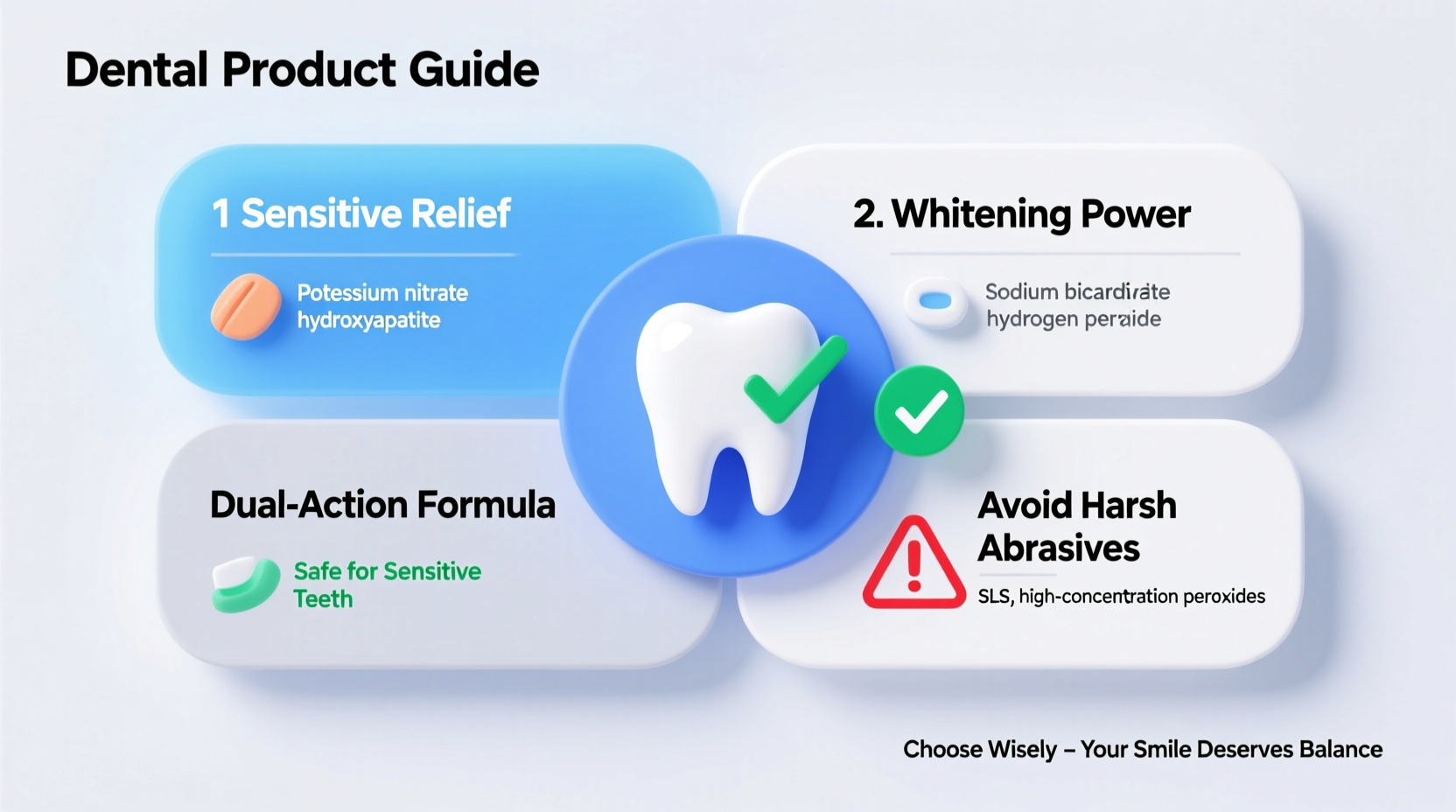
Tooth sensitivity occurs when the protective layer of enamel wears down or gums recede, exposing the underlying dentin. Dentin contains microscopic channels (tubules) that lead directly to the nerve, making teeth reactive to temperature changes, acidic foods, and even airflow. Common causes include aggressive brushing, acid erosion from diet, gum disease, and teeth grinding.
Whitening, on the other hand, aims to remove surface stains (extrinsic) and sometimes penetrate deeper discoloration (intrinsic). Most over-the-counter whitening toothpastes rely on mild abrasives and chemical agents like hydrogen peroxide or carbamide peroxide to lift stains. But these ingredients can aggravate sensitive teeth if not properly balanced.
The challenge lies in finding a formula that lifts stains without stripping enamel or irritating exposed dentin. That balance requires careful formulation and often involves specialized desensitizing agents working alongside gentle whitening compounds.
Key Ingredients to Look For (and Avoid)
The effectiveness and safety of a dual-purpose toothpaste hinge on its ingredient profile. Not every product labeled “for sensitive teeth” or “whitening” delivers on both promises. Here’s what to prioritize—and what to steer clear of.
Effective Desensitizing Agents
- Potassium Nitrate: Penetrates the tooth to soothe nerve endings. Clinical studies show significant reduction in sensitivity after 2–4 weeks of consistent use.
- Stannous Fluoride: Forms a protective barrier over exposed dentin tubules while also offering antibacterial benefits. More effective than sodium fluoride for sensitivity but may cause staining if not formulated properly.
- Arginine + Calcium Carbonate: Found in some professional-grade pastes, this combination seals open tubules quickly by creating a plug-like layer.
Gentle Whitening Components
- Hydrogen Peroxide (Low Concentration): Typically under 1%, it breaks down stain molecules without aggressive action. Effective for gradual brightening.
- Silica-Based Abrasives: Softer than calcium carbonate, silica helps polish teeth without excessive enamel wear—critical for sensitive individuals.
- Blue Covarine: An optical agent that temporarily coats teeth to reflect light differently, creating an instant whitening illusion without chemicals.
Ingredients to Avoid
- Sodium Lauryl Sulfate (SLS): A foaming agent linked to irritation and canker sores in sensitive users.
- High RDA (Relative Dentin Abrasivity) Levels: Toothpastes above 70 RDA are too abrasive for daily use on compromised enamel.
- Strong Acids (e.g., citric or phosphoric acid): Can erode enamel further, worsening sensitivity over time.
“Patients need not sacrifice comfort for aesthetics. Modern formulations can deliver visible whitening while actively treating sensitivity—provided they’re chosen wisely.” — Dr. Lena Torres, DDS, American Academy of Cosmetic Dentistry
Comparing Top Dual-Action Toothpastes
| Product | Desensitizing Agent | Whitening Method | RDA Value | Notable Pros | Potential Drawbacks |
|---|---|---|---|---|---|
| Sensodyne Pronamel Gentle Whitening | Potassium Nitrate | Low-abrasion silica | 34 | Enamel protection, low abrasion, widely available | Whitening effects are subtle and slow |
| Colgate Sensitive Complete Protection Whitening | Stannous Fluoride | Polishing silica | 50 | Broad anti-sensitivity coverage, fresh taste | May leave slight film; not ideal for very sensitive cases |
| Parodontax Whitening (Tartar Control) | Sodium Bicarbonate + Stannous Fluoride | Mild polishing action | 60 | Reduces gum bleeding, effective against tartar | Higher abrasiveness; not recommended for nightly use |
| Tom's of Maine Rapid Relief Sensitive & Whitening | Potassium Nitrate | Hydrated silica | 55 | Natural ingredients, no artificial flavors | Shorter shelf life; consistency varies |
| Elmex Sensitive Professional Whitening | Stannous Fluoride | Optical brighteners | 45 | Clinically proven tubule occlusion, fast relief | Harder to find outside Europe; metallic aftertaste |
When evaluating options, consider both immediate comfort and long-term outcomes. A lower RDA value generally indicates gentler treatment of enamel, which is crucial for those with existing sensitivity. Meanwhile, products combining stannous fluoride with optical brighteners offer a balanced approach: reducing pain signals while enhancing appearance through light reflection rather than aggressive bleaching.
Step-by-Step Guide to Choosing Your Ideal Toothpaste
Selecting the best toothpaste isn’t just about reading labels—it’s a process of matching product features to your unique oral profile. Follow this sequence to make a confident, personalized decision.
- Assess Your Sensitivity Level: Do you feel brief twinges occasionally, or constant pain during meals? Mild cases may respond well to potassium nitrate, while severe sensitivity might require stannous fluoride or prescription-strength solutions.
- Evaluate Current Enamel Health: If you have visible enamel wear, chipping, or frequent acid exposure (from citrus, soda, or gastric reflux), prioritize enamel-strengthening ingredients like fluoride and avoid high-RDA pastes.
- Determine Whitening Goals: Are you targeting coffee or tobacco stains? Or seeking a brighter baseline shade? Surface stain removal is achievable with gentle abrasives; deeper whitening may require supplemental treatments like strips or trays.
- Check for Irritants: Eliminate any toothpaste containing SLS or strong flavorings if you’re prone to irritation or mouth ulcers.
- Test One Product at a Time: Use your selected paste exclusively for at least two weeks before judging effectiveness. Sensitivity relief takes time—most active ingredients need consistent application to build up protection.
- Monitor Results and Adjust: Track changes in sensitivity frequency and tooth color weekly. If discomfort increases or no improvement appears after four weeks, consult your dentist.
Real-World Example: Sarah’s Journey to a Pain-Free, Brighter Smile
Sarah, a 38-year-old teacher from Portland, had always avoided smiling widely due to yellowed teeth. She tried several whitening toothpastes but stopped each within days because of sharp pain when drinking her morning tea. After consulting her hygienist, she learned her sensitivity stemmed from mild gum recession caused by nighttime grinding.
Her dentist recommended switching to a stannous fluoride-based formula with low abrasivity. She began using Colgate Sensitive Complete Protection Whitening twice daily, paired with a night guard to reduce enamel stress. Within three weeks, her sensitivity dropped noticeably. By week six, colleagues commented on her brighter smile—without any pain.
“I didn’t think I could have both,” Sarah said. “But once I stopped using harsh whitening gels and focused on rebuilding protection, everything changed.”
Her case highlights a common misstep: prioritizing rapid whitening over oral health. A strategic, patient-centered approach yielded better long-term results than aggressive short-term fixes.
Frequently Asked Questions
Can whitening toothpaste make sensitive teeth worse?
Yes, many conventional whitening toothpastes contain high levels of abrasives or bleaching agents that strip away enamel or irritate exposed dentin. Always check the RDA value and avoid products with SLS or acidic pH if you have sensitivity.
How long does it take for sensitive toothpaste to work?
Most desensitizing toothpastes require 2–4 weeks of twice-daily use to produce noticeable results. Potassium nitrate needs time to penetrate the tooth and calm nerve activity. Consistency is essential—skipping days delays progress.
Is it safe to use sensitive whitening toothpaste every day?
Yes, as long as the RDA is below 70 and the formula is designed for daily use. Look for ADA Seal of Acceptance, which verifies safety and efficacy. Avoid alternating between multiple whitening pastes, as this can increase chemical exposure and irritation risk.
Final Checklist Before You Buy
- ✅ Contains a proven desensitizer (potassium nitrate, stannous fluoride, or arginine)
- ✅ Uses gentle whitening methods (low-peroxide, silica, or optical brighteners)
- ✅ RDA value is below 70 (ideally between 30–50)
- ❌ Free from sodium lauryl sulfate (SLS) and harsh acids
- ✅ Has the ADA Seal of Acceptance or equivalent certification
- ✅ Matches your personal preferences (flavor, texture, natural vs. clinical formulation)
Take Action for a Healthier, Brighter Smile
Choosing the right toothpaste for sensitive teeth and whitening isn’t about compromise—it’s about alignment. When you select a product grounded in science, tailored to your oral condition, and used consistently, you create the foundation for lasting comfort and aesthetic improvement. Don’t let marketing claims override ingredient facts. Read labels carefully, give your mouth time to respond, and don’t hesitate to seek professional guidance when needed.
Your smile deserves both beauty and comfort. Start today by evaluating your current toothpaste against the criteria in this guide. Make the switch if necessary, commit to a full trial period, and track your progress. Small changes in your routine can lead to transformative results—without pain or regret.




 浙公网安备
33010002000092号
浙公网安备
33010002000092号 浙B2-20120091-4
Comments
No comments yet. Why don't you start the discussion?