
Summer opens the door to countless outdoor adventures—kayaking down winding rivers, hiking rocky coastal trails, snorkeling over coral reefs, or simply wading through tidal pools. But no matter how exciting the activity, one misstep in footwear can turn a dream day into discomfort. That’s where water shoes come in: not just a convenience, but a necessity for safety, comfort, and performance. Yet, with so many styles, materials, and fits on the market, choosing the right pair isn’t as simple as grabbing the first brightly colored option off the shelf. The key is finding a balance between function, durability, and personal fit tailored to your specific activities.
Understand Your Adventure Needs
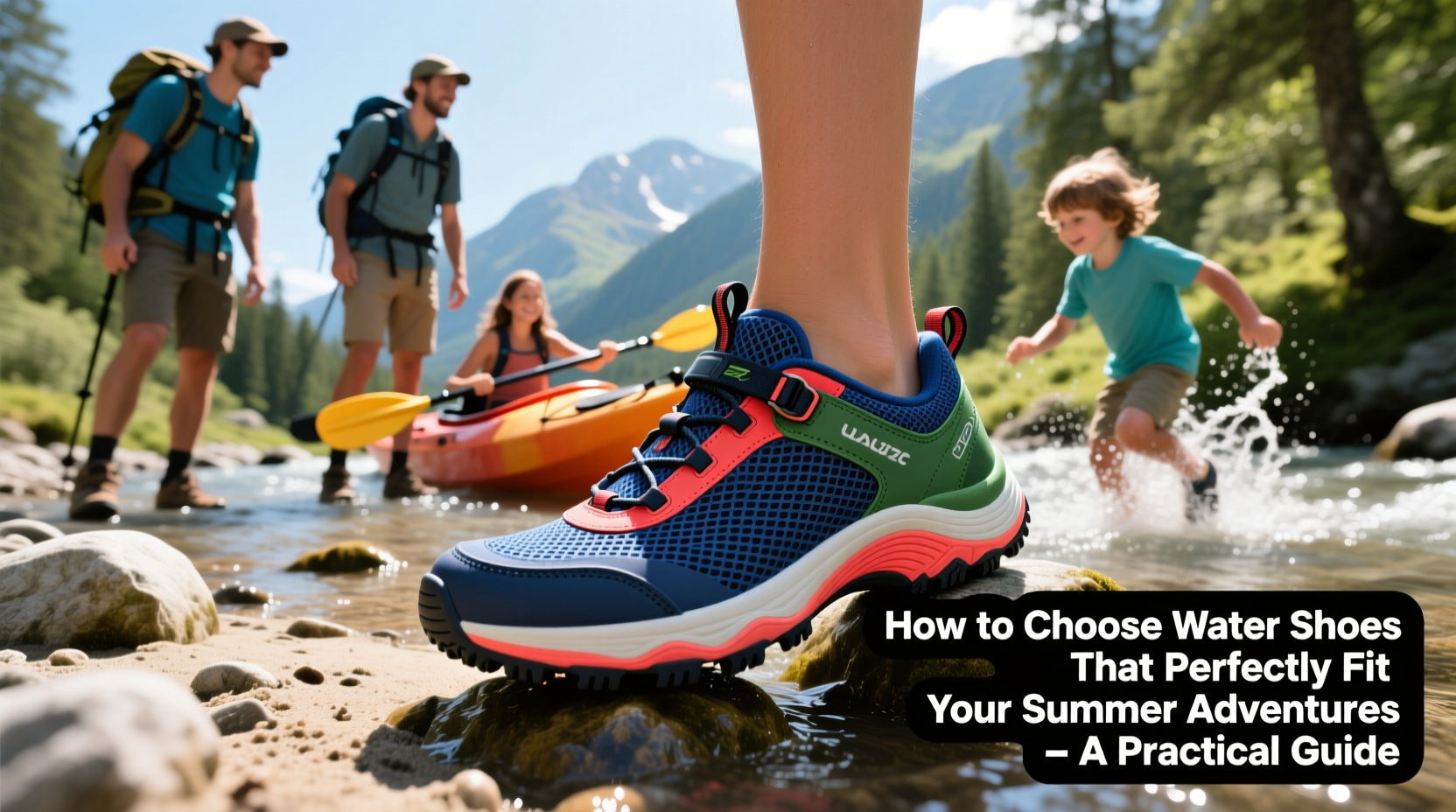
Not all water shoes are created equal. The terrain, duration, and type of activity you plan significantly influence which model will serve you best. A shoe ideal for river trekking may fall short during a long beach walk, and vice versa. Begin by assessing your primary use case:
- River hiking or canyoneering: Look for aggressive tread patterns, reinforced toes, and secure heel locks.
- Beach lounging or casual wading: Lightweight, quick-drying slip-ons with minimal structure are often sufficient.
- Snorkeling or diving: Consider neoprene-based models that offer warmth and protection from marine life.
- Kayaking or paddleboarding: Opt for snug-fitting shoes with excellent grip on wet decks and resistance to foot fatigue.
Matching your shoe design to your activity ensures better traction, reduced injury risk, and enhanced enjoyment.
Key Features to Evaluate Before Buying
Beyond activity-specific needs, several technical features determine whether a water shoe performs well in real-world conditions. These elements work together to provide stability, comfort, and longevity.
Traction and Outsole Design
The outsole is your connection to slippery rocks, algae-covered docks, or sandy inclines. High-quality rubber compounds like Vibram® or sticky EVA foam deliver superior grip on both wet and dry surfaces. Look for multidirectional lugs or siping (small grooves) that channel water away, reducing hydroplaning.
Drainage and Drying Speed
A shoe that traps water becomes heavy and uncomfortable. Effective drainage systems include perforated midsoles, mesh uppers, and heel scoops. Shoes with open mesh dry faster than those made with solid neoprene, though the latter offer more insulation in cooler waters.
Fit and Closure System
Water shoes should feel snug—not tight—around the heel and midfoot to prevent slippage. Lace-up systems offer the most adjustability, while pull-on styles with elasticized gussets prioritize convenience. Avoid shoes that allow heel lift; even minor movement can cause blisters over time.
Toe Protection and Durability
If you’re navigating rocky riverbeds or scrambling over sharp coral, reinforced toe caps made from rubber or thermoplastic protect against stubs and abrasions. Mesh panels improve breathability but sacrifice some durability—consider double-layered fabrics if rugged terrain is expected.
“Many people underestimate how much foot fatigue affects their endurance during water-based hikes. A properly fitted water shoe reduces strain by stabilizing the foot and minimizing micro-movements.” — Dr. Lena Torres, Sports Podiatrist and Outdoor Medicine Specialist
How to Measure and Fit Water Shoes Correctly
Finding the right size is one of the most overlooked aspects of buying water shoes. Unlike regular sneakers, they must accommodate slightly swollen feet (common in warm weather) while remaining secure when wet.
Step-by-Step Fitting Guide
- Measure your feet at the end of the day when they’re naturally larger.
- Wear the same type of socks you plan to use during activities (if any).
- Try on both shoes and stand on a hard surface.
- Ensure there’s no heel slippage when walking forward or downhill.
- Check for adequate space in the toe box—about a thumb’s width between longest toe and shoe end.
- Walk around on wet tile or damp concrete to simulate real conditions.
Sizing varies widely between brands. For example, some European brands run narrow, while others designed for tropical climates accommodate wider feet. Always consult brand-specific sizing charts and read customer reviews focused on fit.
| Feature | Do | Don't |
|---|---|---|
| Fit | Snug across the midfoot, slight wiggle room in toes | Too loose at heel or pinching on sides |
| Material | Breathable mesh, quick-dry fabric, flexible rubber | Non-draining synthetic leather, thick neoprene (unless cold water) |
| Closure | Laces or adjustable straps for precision fit | Elastic-only bands if prone to foot swelling |
| Outsole | Sticky rubber with deep, multi-directional lugs | Flat soles meant for dry land only |
Real-World Example: Choosing the Right Pair for a Coastal Trek
Take Sarah, an avid hiker planning a two-day coastal trail involving tidal crossings, rocky scrambles, and sandy stretches. She initially considered lightweight aqua socks for portability but realized they offered little protection on jagged basalt formations. After researching, she chose a mid-cut water shoe with a rubber toe bumper, self-draining mesh, and a lugged outsole. During her trip, the shoes prevented multiple slips on mossy boulders and protected her feet from sharp barnacles. Most importantly, they dried within an hour after each crossing, preventing maceration and odor buildup. Her experience highlights how thoughtful selection directly impacts safety and comfort in dynamic environments.
Essential Checklist Before Purchase
Before finalizing your decision, verify these points to ensure long-term satisfaction:
- ✅ Tested the shoe on wet surfaces before leaving the store (or ensured return policy allows it online)
- ✅ Confirmed compatibility with planned activities (e.g., reef walking vs. kayaking)
- ✅ Checked for seamless interiors to reduce blister risk
- ✅ Verified UV resistance if used in high-sun areas (some materials degrade faster)
- ✅ Ensured easy maintenance—machine washable or simple rinse-clean design
- ✅ Reviewed warranty or manufacturer support for durability claims
Frequently Asked Questions
Can I wear water shoes for regular walking or hiking?
While possible for short distances, water shoes lack the arch support and cushioning of hiking boots. Extended land travel may lead to foot fatigue. They’re best reserved for mixed-terrain routes involving water crossings.
Should I size up or down in water shoes?
Most experts recommend sticking to your true size. However, if wearing thicker socks or expecting foot swelling, go half a size up—but ensure the heel remains locked. Never size up solely for a “roomier” feel, as this increases friction and blister risk.
How do I clean and maintain water shoes?
Rinse thoroughly with fresh water after each use, especially after saltwater exposure. Air dry away from direct sunlight to prevent material degradation. For odor control, use a mix of vinegar and water or specialized shoe cleaners. Avoid machine drying, which can warp soles and shrink fabrics.
Final Thoughts: Step Into Summer With Confidence
Selecting the perfect water shoe isn’t about chasing trends or flashy colors—it’s about making an informed choice that supports your body, enhances your experience, and keeps you safe in unpredictable environments. Whether you're leaping between tide pools, navigating swift streams, or simply strolling along a humid shoreline, the right pair becomes an invisible extension of your stride. Take the time to assess your needs, test for fit, and invest in quality construction. Your feet will thank you mile after mile, splash after splash.




 浙公网安备
33010002000092号
浙公网安备
33010002000092号 浙B2-20120091-4
Comments
No comments yet. Why don't you start the discussion?