
Coffee makers are essential appliances in homes and offices, but they require regular cleaning to maintain performance and ensure the best-tasting brew. While white vinegar is commonly recommended for descaling, not everyone enjoys its strong odor or lingering aftertaste. For those seeking a more aromatic and naturally acidic alternative, lemon juice offers an excellent solution. Packed with citric acid, lemon juice effectively dissolves mineral deposits from hard water without harsh chemicals. This guide walks through the science, safety, and step-by-step process of cleaning your coffee maker with lemon juice—delivering sparkling results and a refreshing citrus hint.
Why Lemon Juice Works as a Natural Descaler
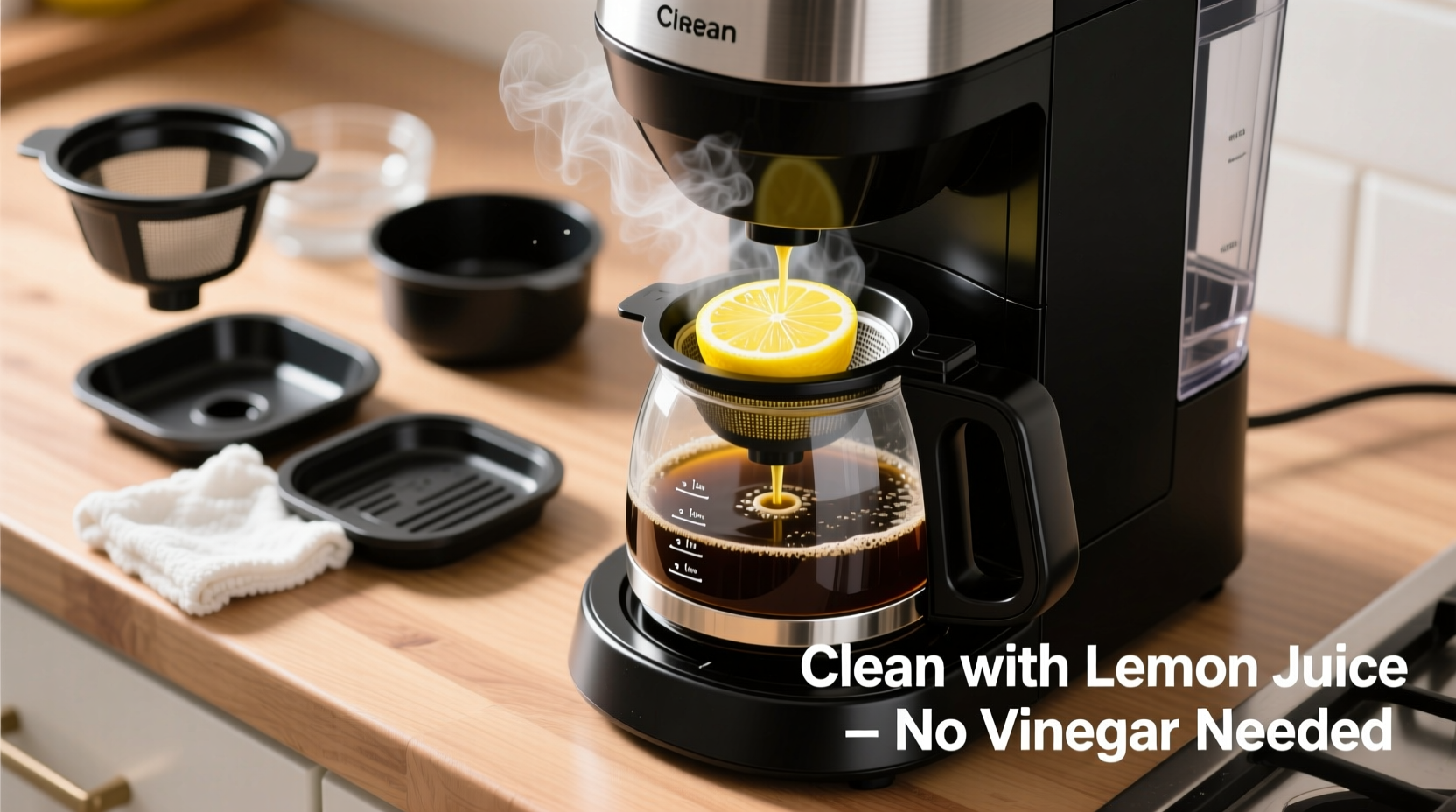
Lemon juice contains approximately 5–6% citric acid, making it a powerful yet gentle cleaning agent. Unlike acetic acid (found in vinegar), citric acid breaks down calcium and magnesium deposits—the primary components of limescale—without leaving behind pungent fumes. It's also food-safe and biodegradable, which makes it ideal for kitchen appliances.
When heated, lemon juice becomes even more effective at dissolving scale inside the water reservoir, heating element, and internal tubing of drip coffee makers. Additionally, its natural antibacterial properties help eliminate mold and mildew that can develop in damp environments.
“Citric acid from lemons is one of the safest and most effective natural descalers available for household use.” — Dr. Lena Torres, Environmental Health Scientist
Step-by-Step Guide: Cleaning Your Coffee Maker with Lemon Juice
This method works best on standard drip coffee makers but can be adapted for single-serve machines with removable parts. Follow these steps carefully to avoid damage and achieve optimal results.
- Gather Supplies
You’ll need:- ½ cup fresh lemon juice (about 3–4 large lemons)
- 4 cups distilled or filtered water
- A clean microfiber cloth
- A soft-bristle brush (optional)
- A carafe and filter basket
- Prepare the Cleaning Solution
Mix ½ cup of lemon juice with 4 cups of water. If you live in an area with very hard water or haven’t cleaned your machine in over two months, consider increasing the lemon juice to ¾ cup. - Start the Brew Cycle
Pour the lemon-water mixture into the water reservoir. Place a paper filter in the basket (this prevents pulp from entering the carafe). Begin a full brewing cycle, stopping halfway if your model allows it. Letting the solution sit for 15–30 minutes mid-cycle enhances descaling power. - Pause and Soak (Optional but Recommended)
After the machine has brewed about halfway, turn it off and let it sit for 30 minutes. This allows the citric acid time to dissolve stubborn mineral buildup in hidden areas like the heating plate and internal tubes. - Complete the Cycle
Turn the machine back on and finish the brewing cycle. Discard the liquid in the carafe—do not drink it. - Rinse Thoroughly
Fill the reservoir with clean water and run two consecutive brew cycles without any additives. This ensures all traces of lemon residue are removed, preventing any sour taste in future coffee. - Clean Exterior Components
Wipe the carafe, lid, filter basket, and warming plate with warm soapy water. For sticky residue on the glass carafe, add a drop of dish soap and a tablespoon of baking soda, then scrub gently with a non-abrasive sponge.
Do’s and Don’ts When Using Lemon Juice
| Do’s | Don’ts |
|---|---|
| Use filtered or distilled water to reduce future scaling | Use undiluted lemon juice—it can be too acidic and damage rubber seals |
| Run multiple rinse cycles to remove all citrus flavor | Leave lemon solution sitting overnight—prolonged exposure may corrode metal parts |
| Clean every 1–2 months depending on usage and water hardness | Use on espresso machines with built-in boilers unless specified by manufacturer |
| Store leftover lemon juice in the fridge for up to 3 days | Mix lemon juice with bleach or other cleaners—this creates toxic fumes |
Real Example: Sarah’s Morning Routine Rescue
Sarah, a remote worker from Portland, noticed her coffee tasted increasingly bitter and her machine was taking longer to brew. She had avoided vinegar because the smell lingered in her small kitchen. Remembering a tip from her grandmother, she tried lemon juice instead. After following the steps above, she saw visible flakes of limescale collecting in the carafe during the first cycle. The second rinse came out clear. Her next pot of coffee tasted noticeably smoother, and the machine heated faster. Now, she cleans her coffee maker monthly with lemon juice and keeps a note on her calendar to stay consistent.
\"It’s amazing what a difference it made,\" Sarah said. \"Plus, my kitchen smelled like a lemon grove instead of a science lab.\"
Alternative Uses and Creative Tips
Lemon juice isn’t just for descaling. It can also help maintain overall hygiene and freshness:
- Prevent Mold Growth: Wipe down the reservoir weekly with a diluted lemon solution (1 tbsp per cup of water) to inhibit microbial growth.
- Freshen the Carafe: Add lemon peels and hot water to the glass pot, let sit for 20 minutes, then scrub. Removes stains and odors naturally.
- Descale Reusable Filters: Soak mesh filters in warm lemon water for 15 minutes to unclog pores and restore flow rate.
“Natural acids like citric acid are underrated in appliance maintenance. They offer precision cleaning without compromising material integrity.” — James Rhee, Appliance Technician & Repair Consultant
Frequency and Maintenance Checklist
To keep your coffee maker running efficiently, follow this simple checklist:
- ✔ Descale with lemon juice solution
- ✔ Wash removable parts with mild soap
- ✔ Inspect for clogs or leaks
- ✔ Replace water filter (if applicable)
Weekly Habits
- ✔ Empty and rinse the carafe
- ✔ Wipe exterior surfaces
- ✔ Discard used filters promptly
For households with high coffee consumption (3+ pots daily) or hard water sources, consider descaling every 3–4 weeks. Signs that your machine needs immediate attention include slow brewing, unusual noises, or cloudy water output.
FAQ: Common Questions About Using Lemon Juice
Can I use bottled lemon juice instead of fresh?
Yes, but fresh-squeezed is preferred. Bottled lemon juice often contains preservatives and may have lower acidity, reducing its effectiveness. If using bottled, choose additive-free varieties and shake well before mixing.
Will lemon juice damage my coffee maker?
Not if used properly. Always dilute lemon juice with water (no more than 1 part juice to 7 parts water) and avoid letting it sit for extended periods (over 1 hour). Most modern coffee makers with plastic and stainless steel components tolerate occasional citric acid treatments well.
Is lemon juice safe for Keurig or pod-based machines?
Only if the manufacturer approves citric acid use. Many single-serve machines recommend specific descaling solutions. However, some users successfully clean removable parts (like drip trays and water tanks) with diluted lemon water. Never pour lemon juice directly into the internal system unless explicitly allowed in the manual.
Final Thoughts and Call to Action
Cleaning your coffee maker with lemon juice is a practical, eco-friendly alternative to vinegar that delivers both functional and sensory benefits. Not only does it remove harmful mineral buildup, but it also leaves behind a clean, invigorating aroma—transforming a mundane chore into a refreshing ritual. With proper technique and regular maintenance, your coffee machine will produce better-tasting brews and last significantly longer.
The next time your coffee tastes off or your machine seems sluggish, skip the vinegar and reach for lemons. Your palate—and your appliance—will thank you.




 浙公网安备
33010002000092号
浙公网安备
33010002000092号 浙B2-20120091-4
Comments
No comments yet. Why don't you start the discussion?