
Jute rugs are prized for their earthy texture, sustainability, and timeless appeal. Made from the fibrous stalks of the jute plant, these natural fiber rugs bring warmth and organic elegance to any space. However, their delicate composition makes them vulnerable to moisture damage, discoloration, and fiber breakdown if cleaned improperly. Unlike synthetic or wool rugs, jute cannot withstand aggressive scrubbing, soaking, or chemical cleaners. Cleaning a jute rug requires a thoughtful approach—one that removes dirt and stains while preserving the rug’s integrity. This guide provides a comprehensive, step-by-step method for maintaining your jute rug safely, with expert-backed techniques and real-world insights.
Understanding Jute: Why It Demands Special Care
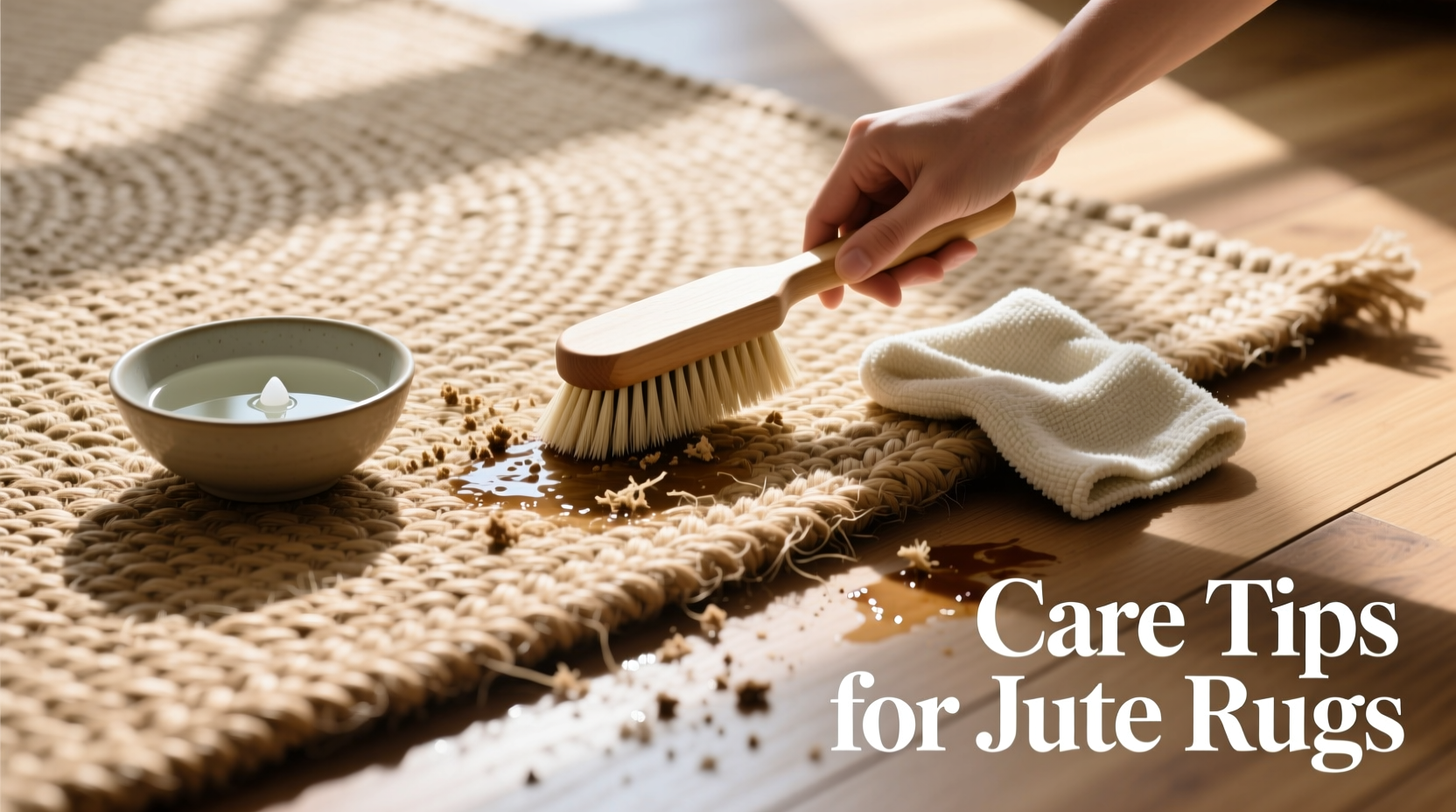
Jute is a bast fiber, similar to sisal and hemp, harvested primarily in South Asia. Its softness, biodegradability, and low environmental impact make it a favorite among eco-conscious homeowners. However, jute has one major vulnerability: it absorbs moisture quickly. When wet, jute fibers swell and weaken, leading to shrinkage, warping, or even mold growth if not dried promptly. Additionally, exposure to strong detergents or bleach can strip the fibers of their natural oils, causing brittleness and fraying.
The key to cleaning jute lies in minimizing water use and avoiding abrasive agents. Traditional steam cleaning or shampooing—a common method for other rugs—is unsuitable for jute. Instead, maintenance should focus on dry and spot-cleaning techniques that respect the material’s natural limitations.
“Jute is beautiful but unforgiving when wet. The moment you saturate it, you risk permanent deformation.” — Dr. Lena Patel, Textile Conservation Specialist, National Museum of Fiber Arts
Step-by-Step Guide to Safe Jute Rug Cleaning
Cleaning a jute rug doesn’t require complex tools or expensive products. With patience and the right method, you can keep your rug fresh and stain-free. Follow this detailed timeline for best results:
- Daily Dry Maintenance (Ongoing): Use a soft-bristle broom or vacuum cleaner with a brushless attachment to remove surface dust and debris. Avoid beater bars, which can pull or fray the fibers.
- Weekly Vacuuming (Low Suction): Once a week, vacuum both sides of the rug using low suction and a handheld nozzle. Flip the rug occasionally to prevent one-sided wear.
- Spot Treatment (As Needed): Address spills immediately. Blot liquids gently with a dry, absorbent cloth—never rub. For solid spills, lift residue with a spoon or dull knife before cleaning.
- Monthly Deep Dusting: Take the rug outdoors and shake it vigorously to dislodge embedded particles. Alternatively, hang it over a clothesline and beat it lightly with a rug beater.
- Biannual Spot Refresh (Optional): Use a dry-cleaning powder or cornstarch to absorb odors and oils. Sprinkle evenly, let sit for 30 minutes, then vacuum thoroughly.
Do’s and Don’ts: A Practical Table for Jute Rug Care
| Do | Don’t |
|---|---|
| Vacuum regularly with low suction and no rotating brush | Use a vacuum with a beater bar or high-powered rotary head |
| Blot spills immediately with a clean, dry cloth | Rub or scrub wet spots, which spreads stains and damages fibers |
| Use a mixture of white vinegar and water (1:3 ratio) for light spot cleaning | Apply bleach, ammonia, or commercial carpet shampoos |
| Air out the rug monthly in indirect sunlight to prevent mustiness | Leave the rug in direct sun for extended periods—it can fade and weaken fibers |
| Rotate the rug every 3–6 months for even wear | Place jute rugs in high-moisture areas like bathrooms or basements |
How to Remove Common Stains Safely
Accidents happen—even in carefully maintained homes. The following methods target specific types of stains without compromising jute integrity:
- Coffee or Wine Spills: Blot excess liquid immediately. Mix one teaspoon of mild dish soap with two tablespoons of white vinegar and three parts distilled water. Dampen a clean microfiber cloth (never soak it), dab the stain gently, then blot dry with a separate towel. Repeat if needed, then allow the area to air-dry completely.
- Food Grease: Sprinkle baking soda or cornstarch directly on the spot. Let it sit for at least 30 minutes to absorb oils, then vacuum thoroughly. If residue remains, repeat the vinegar solution method above with extra caution.
- Pet Accidents: Blot urine or vomit with paper towels. Avoid enzymatic cleaners unless specifically labeled safe for natural fibers—they may degrade jute. Instead, use a diluted vinegar solution followed by immediate drying with a fan or dehumidifier.
- Mud or Dirt: Allow mud to dry completely, then brush off with a soft-bristle clothes brush. Vacuum afterward to capture fine particles.
Real Example: Reviving a Living Room Jute Rug After a Coffee Spill
Sarah, a homeowner in Portland, Oregon, accidentally knocked over her morning latte onto a large jute rug in her sunroom. At first panicked, she remembered reading about vinegar-based spot cleaning. She acted quickly: first blotting the spill with a kitchen towel, then mixing a solution of one part white vinegar to three parts water. Using a folded microfiber cloth lightly dampened with the mixture, she patted the stain in circular motions for 20 seconds, then blotted again with a dry cloth. She placed a fan nearby and left it running for four hours. The stain lifted completely, and the rug retained its original texture. Sarah now keeps a small spray bottle of the vinegar solution under her sink for emergencies.
When to Call a Professional
While most maintenance can be done at home, some situations require professional intervention. Consider hiring a textile cleaning specialist if:
- The rug covers a large area and has widespread soiling.
- There is evidence of mold or mildew (musty smell, dark spots).
- You’re preparing the rug for long-term storage or moving.
- The rug has sentimental or monetary value and demands expert handling.
Professionals trained in natural fiber care use specialized dry foam systems or solvent-based cleaners that lift grime without introducing excessive moisture. They also have access to controlled drying environments, reducing the risk of warping.
“Natural fiber rugs like jute respond best to minimal intervention. Our approach is always ‘less is more’—gentle extraction, no steam, and thorough air drying.” — Michael Tran, Owner of EcoClean Rugs, Vancouver
Preventive Care Checklist
Preserving a jute rug starts long before cleaning. Use this checklist to extend its lifespan through proactive habits:
- ✅ Place a non-slip rug pad underneath to reduce friction and protect flooring.
- ✅ Rotate the rug every 3–6 months to ensure even exposure to foot traffic and light.
- ✅ Keep the room well-ventilated to prevent humidity buildup.
- ✅ Use doormats at entrances to minimize tracked-in dirt.
- ✅ Avoid placing jute rugs in kitchens, bathrooms, or near exterior doors where spills and moisture are frequent.
- ✅ Treat pets with anti-shedding or training routines if accidents are a concern.
- ✅ Store the rug rolled (not folded) in a breathable cotton bag during renovations or seasonal changes.
Frequently Asked Questions
Can I steam clean a jute rug?
No. Steam cleaning introduces too much moisture, which causes jute fibers to swell, discolor, and potentially rot. The high heat can also set stains rather than remove them. Stick to dry or minimal-moisture methods only.
What should I do if my jute rug gets wet?
Act immediately. Blot all visible moisture with dry towels. Elevate the rug slightly to allow airflow underneath. Use fans or dehumidifiers to accelerate drying—this can take 24–48 hours. Do not walk on it until fully dry. If the rug remains damp after 48 hours, consult a professional to prevent mold.
Is it safe to use baking soda on jute?
Yes, baking soda is safe for odor absorption and grease lifting. Sprinkle it lightly, let it sit for 30–60 minutes, then vacuum thoroughly. Avoid leaving it overnight in humid conditions, as residual moisture could cause clumping and slow release of alkalinity.
Conclusion: Preserve Beauty Through Mindful Maintenance
A jute rug is more than floor covering—it’s a sustainable statement, a tactile element of design, and a connection to natural materials. But its beauty depends on careful stewardship. By understanding jute’s sensitivity to water and abrasion, you can clean it effectively without risking damage. Regular dry maintenance, prompt spot treatment, and preventive habits form the foundation of long-term care. Remember: the goal isn’t spotless perfection, but preserved integrity. With the right techniques, your jute rug can remain a cherished part of your home for years, aging gracefully with character and charm.




 浙公网安备
33010002000092号
浙公网安备
33010002000092号 浙B2-20120091-4
Comments
No comments yet. Why don't you start the discussion?