
Metal bag charm keychains are more than just functional accessories—they’re personal statements. Whether it’s a minimalist pendant, an engraved initial, or a vintage trinket, these small accents reflect style and sentiment. Over time, exposure to air, skin oils, and environmental pollutants causes tarnish, dullness, and discoloration. Aggressive cleaning can strip plating or scratch delicate surfaces. The key is using gentle, targeted techniques that preserve integrity while reviving luster. This guide outlines safe, proven methods to bring back the shine—without risking damage.
Understanding Your Metal Type
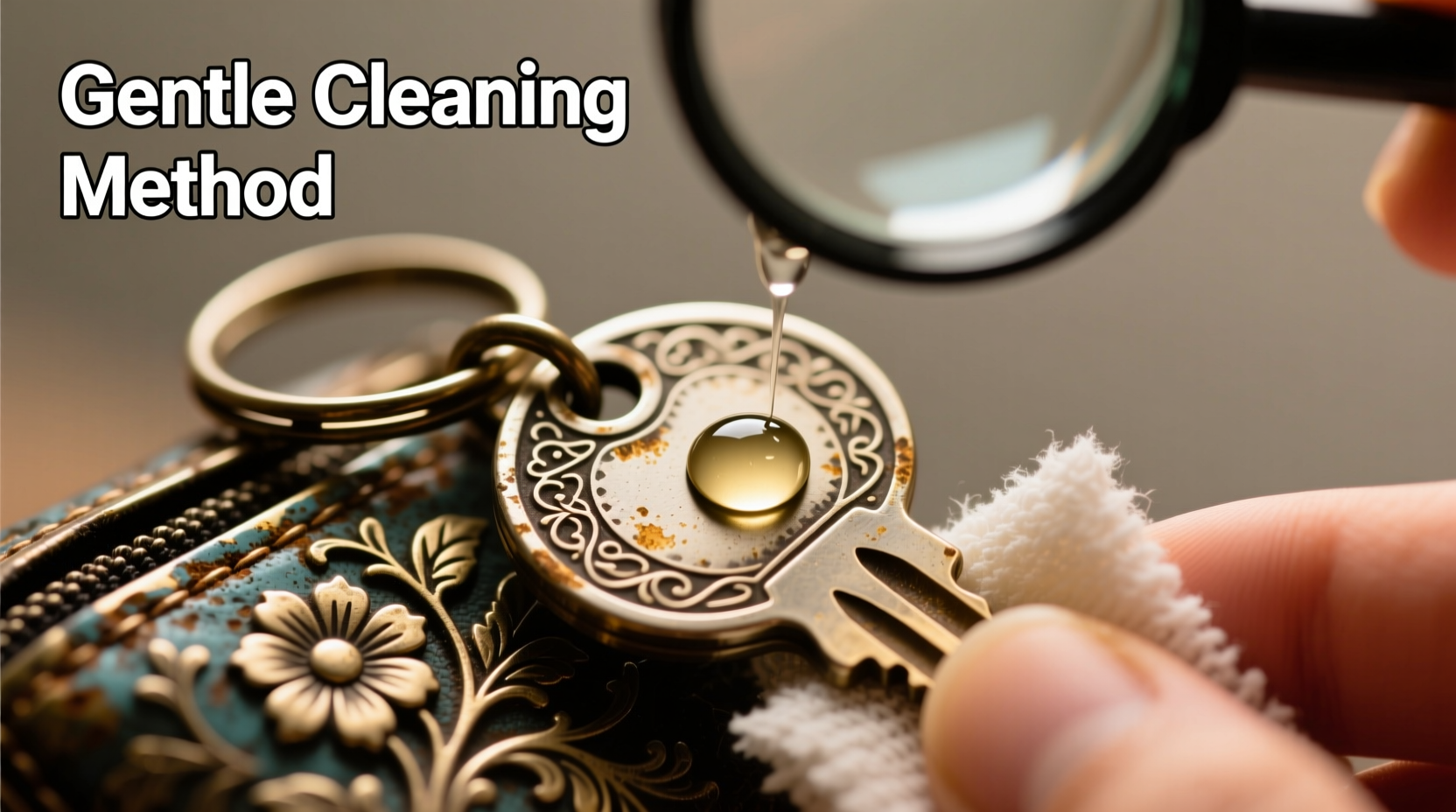
Not all metals react the same way to cleaning agents. Identifying the material of your charm is the first step in choosing the right method. Common metals used in bag charms include:
- Stainless steel: Resistant to rust and tarnish; durable but can develop surface grime.
- Brass: Prone to oxidation; develops a warm patina over time but can turn dark if neglected.
- Silver (sterling or plated): Highly susceptible to tarnish from sulfur compounds in air and skin oils.
- Gold-plated: A thin layer of gold over base metal; abrasive cleaners can wear through the plating.
- Pewter or zinc alloy: Softer metals often used in decorative charms; easily scratched or corroded by acids.
Cleaning stainless steel requires less caution than silver or gold-plated pieces. Always verify the metal type before proceeding—check manufacturer tags, use a jewelry tester, or consult the retailer if uncertain.
Gentle Cleaning Methods for Different Metals
The goal is to remove buildup without altering the finish. Below are four safe, household-friendly approaches tailored to common charm materials.
1. Warm Water and Mild Soap (Universal Safe Method)
This is the safest starting point for any metal charm, especially those with embedded stones, enamel, or fragile detailing.
- Mix a few drops of mild dish soap into a bowl of lukewarm water.
- Submerge the charm for 3–5 minutes to loosen grime.
- Use a soft-bristled toothbrush (baby or travel size) to gently scrub crevices.
- Rinse under cool running water.
- Dry immediately with a lint-free microfiber cloth.
Avoid soaking charms with glued elements (like rhinestones), as prolonged moisture may weaken adhesives.
2. Baking Soda Paste (For Stainless Steel & Solid Silver)
Baking soda is mildly abrasive but gentle enough for non-plated metals. It lifts stubborn residue without harsh chemicals.
Mix three parts baking soda with one part water to form a thick paste. Apply with a cotton swab or fingertip, focusing on tarnished areas. Rub in small circular motions for 20–30 seconds, then rinse and dry thoroughly. Do not use on gold-plated or soft metals like pewter.
3. Microfiber Cloth + Jewelry Polishing Wipe (For Light Tarnish)
Pre-moistened polishing wipes designed for jewelry offer a no-rinse solution. Choose alcohol-free, anti-tarnish wipes and gently rub the surface. Follow with a dry microfiber pass to buff to shine. Ideal for quick maintenance between deep cleanings.
4. Aluminum Foil Bath (For Sterling Silver Only)
This chemical-free method uses ion transfer to reverse tarnish.
- Line a bowl with aluminum foil, shiny side up.
- Add one tablespoon of baking soda and one teaspoon of salt.
- Pour in hot water until the charm is submerged.
- Let sit for 2–3 minutes. You’ll see tarnish transfer to the foil.
- Remove, rinse, and dry immediately.
Never use this method on plated silver—it can strip the surface.
“Many people ruin their charms by assuming all ‘silver-looking’ metals are the same. Plated items need half the effort and twice the caution.” — Lena Park, Jewelry Restoration Specialist
Do’s and Don’ts: Preserving Finish and Longevity
| Do | Don’t |
|---|---|
| Use distilled water when possible to avoid mineral deposits | Soak charms with glued components for more than 2 minutes |
| Store charms in anti-tarnish pouches when not in use | Use paper towels—they can scratch soft metals |
| Clean monthly for regular wearers | Apply perfume, lotion, or hand sanitizer while wearing the charm |
| Inspect clasps and jump rings regularly for weakness | Use vinegar, lemon juice, or bleach—these erode metal over time |
| Rotate charms to reduce constant exposure | Scrub aggressively—even soft brushes can mar finishes |
Real Example: Reviving a Vintage Gold-Tone Charm
Sophie inherited a brass-and-gold-toned charm from her grandmother’s handbag collection. After years in a drawer, it appeared dull with patchy discoloration. She assumed it was beyond saving. Instead of reaching for commercial polish, she started with a five-minute soak in soapy water, followed by careful brushing with a baby toothbrush. After drying, she applied a tiny amount of olive oil to a microfiber cloth and buffed lightly. The warmth from her hands activated the oil, enhancing the gold tone without abrasion. In under 15 minutes, the charm regained its warmth and depth—proving that patience and gentleness often outperform harsh treatments.
Step-by-Step Maintenance Routine
To keep your charm consistently radiant, follow this monthly care sequence:
- Inspect: Check for loose parts, cracks, or worn plating.
- Clean: Use the soap-and-water method unless tarnish demands stronger action.
- Dry: Pat thoroughly—moisture accelerates corrosion.
- Buff: Polish lightly with a microfiber cloth in straight strokes.
- Store: Place in a soft pouch away from other metal items to prevent scratching.
For frequently worn charms, repeat steps 1–2 every 4 weeks. Seasonal deep cleans help maintain long-term appearance.
Frequently Asked Questions
Can I use toothpaste to clean my metal charm?
No. Despite popular belief, toothpaste is too abrasive for most metals. It can create micro-scratches that trap dirt and accelerate tarnish. Stick to baking soda paste only for solid metals, and avoid entirely for plated or soft alloys.
Why does my silver charm tarnish so quickly?
Tarnish results from a reaction between silver and sulfur compounds found in air pollution, rubber bands, wool, and even some papers. High humidity and frequent skin contact speed up the process. Storing in an airtight container with an anti-tarnish strip can significantly slow oxidation.
How do I know if my charm is gold-plated?
Look for stamps like “GP,” “HGE,” or “RGP.” Plated items often feel lighter than solid gold and may show base metal at edges where wear occurs. A professional jeweler can confirm with a non-destructive test.
Final Checklist Before You Begin
- ✅ Identify the metal type
- ✅ Remove charm from bag or keyring
- ✅ Gather soft brush, microfiber cloth, mild soap
- ✅ Prepare workspace with towel to prevent loss
- ✅ Avoid jewelry steam cleaners unless you’re certain of material safety
Conclusion: Shine Starts with Care
Your metal bag charm keychain deserves more than occasional attention—it’s a detail that elevates your everyday look. With the right knowledge, restoring its brilliance doesn’t require harsh chemicals or expensive tools. Gentle washing, informed methods, and mindful storage preserve both beauty and value. Whether it’s a sentimental keepsake or a signature accessory, consistent care ensures it remains a standout piece for years. Take a few minutes today to clean and protect your charm. That small act of attention honors both the object and your personal style.




 浙公网安备
33010002000092号
浙公网安备
33010002000092号 浙B2-20120091-4
Comments
No comments yet. Why don't you start the discussion?