
Cleaning your microwave doesn’t have to be a chore filled with harsh chemicals or scrubbing for long periods. In fact, with two common kitchen staples—vinegar and lemon—you can achieve a spotless, fresh-smelling microwave in just five minutes. This simple, natural method cuts through grease, removes stubborn food splatters, and eliminates odors without exposing your kitchen to synthetic cleaners. Whether you’ve spilled soup, reheated fish, or simply let everyday use leave behind grime, this technique restores cleanliness quickly and safely.
The combination of vinegar and lemon works because both are acidic, which helps break down residue and kill bacteria. Plus, their natural scents leave the microwave smelling clean—not like artificial fragrances. This guide walks you through the entire process, explains why it works, and offers expert-backed tips to maintain hygiene between deep cleans.
Why Vinegar and Lemon Work So Well
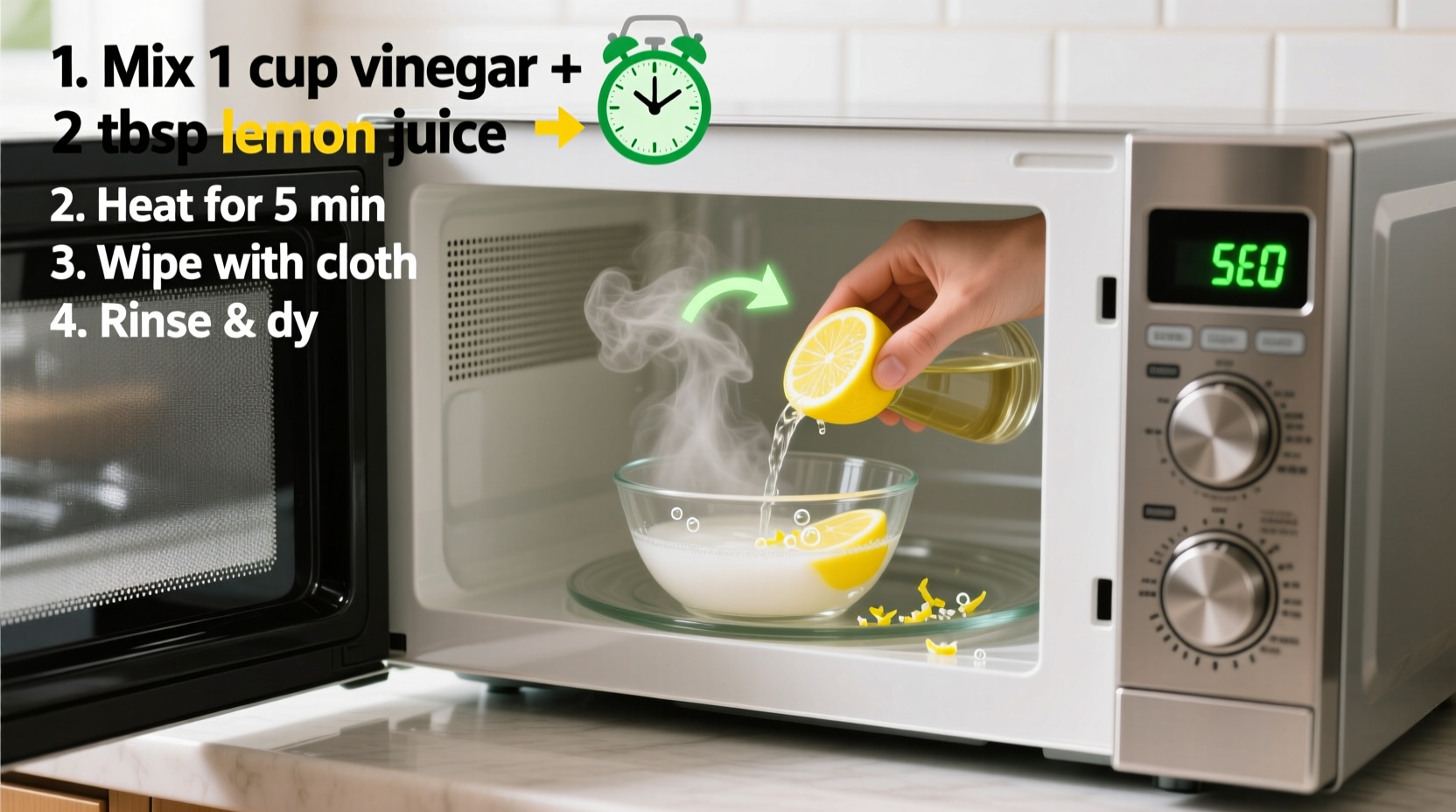
Vinegar and lemon juice are more than just pantry items—they’re powerful cleaning agents backed by science. White distilled vinegar contains about 5% acetic acid, which has been shown to possess antimicrobial properties effective against many strains of bacteria and mold. According to research published in the Journal of Environmental Health, vinegar can reduce bacterial contamination on surfaces by up to 90%.
Lemon juice, rich in citric acid, complements vinegar by boosting degreasing power and leaving behind a bright, clean scent. Its acidity also helps dissolve mineral deposits and sticky residues. When heated, both liquids release steam that loosens dried-on food particles from the microwave’s interior walls, ceiling, and turntable.
“Natural acids like acetic and citric acid disrupt microbial cell membranes and help dissolve organic matter—making them ideal for kitchen sanitation.” — Dr. Lena Patel, Microbiologist and Home Hygiene Researcher
Together, they form a non-toxic, eco-friendly alternative to commercial sprays, many of which contain volatile organic compounds (VOCs) that can linger in the air and affect indoor air quality.
Step-by-Step Guide: Cleaning Your Microwave in Five Minutes
This method is straightforward and requires minimal effort. Follow these steps carefully to maximize effectiveness and safety.
- Prepare the cleaning solution: Mix 1 cup of water with ¼ cup of white vinegar and the juice of half a lemon in a microwave-safe bowl. Squeeze the lemon directly into the liquid and drop the squeezed halves into the bowl as well—they add extra surface area for steam release.
- Heat the mixture: Place the bowl in the center of the microwave. Heat on high for 3–4 minutes, or until the mixture boils and produces visible steam. The interior should appear foggy, indicating that moisture is penetrating stuck-on debris.
- Let it sit (the key step): After heating, keep the microwave door closed for an additional 2 minutes. This allows the steam to soften grime and makes wiping easier.
- Wipe down the interior: Open the door carefully—steam will escape. Using a damp microfiber cloth or sponge, wipe all interior surfaces: walls, ceiling, door, and control panel. Most residue should come off easily. For tough spots, reapply pressure or dip the cloth in the cooled liquid for extra cleaning power.
- Clean the turntable and ring: Remove the glass plate and support ring. Wash them with warm soapy water at the sink. Dry thoroughly before replacing.
- Dry and deodorize: Wipe any remaining moisture with a dry towel. If needed, place a slice of lemon inside and run the microwave empty for 30 seconds to refresh the scent.
Do’s and Don’ts of Natural Microwave Cleaning
To get the best results and avoid damage, follow this quick-reference table outlining recommended practices.
| Do | Don’t |
|---|---|
| Use distilled white vinegar (clear, odor-effective) | Use apple cider vinegar (can stain due to color) |
| Add lemon peels for enhanced steam and fragrance | Leave citrus peels in too long—may dry out and burn next use |
| Allow steam to sit for 2 minutes after boiling | Immediately open the door and start scrubbing |
| Wipe with a soft cloth to avoid scratching enamel | Scrub with steel wool or abrasive pads |
| Clean weekly if used daily | Wait until heavy buildup occurs before cleaning |
Real-Life Example: From Sticky Spills to Spotless in Minutes
Sarah, a busy working mom in Portland, used her microwave daily to reheat meals, cook oatmeal, and defrost ingredients. Over time, splattered sauces and sugary spills created a sticky layer across the ceiling and walls. She avoided cleaning it because she assumed it would take scrubbing and strong cleaners.
After learning about the vinegar-lemon method online, she tried it during a lunch break. She mixed the solution, heated it for four minutes, waited two, then wiped. “I couldn’t believe how much gunk came off with almost no effort,” she said. “The turntable looked brand new, and there was no chemical smell—just a faint citrus freshness.” Now, she cleans her microwave every Friday afternoon, keeping it consistently hygienic without disrupting her routine.
Checklist: Keep Your Microwave Clean and Functional
Use this checklist weekly to maintain a clean microwave with minimal effort:
- ✅ Inspect interior for spills after each use
- ✅ Wipe minor splashes immediately with a damp cloth
- ✅ Perform full vinegar-lemon steam clean once per week
- ✅ Remove and wash turntable and ring regularly
- ✅ Check door seal for debris or food particles
- ✅ Deodorize monthly with lemon or baking soda if needed
- ✅ Avoid reheating uncovered foods to minimize future mess
Frequently Asked Questions
Can I use only lemon without vinegar?
Yes, but results may be less effective. Lemon alone can clean light messes and deodorize, but vinegar adds stronger antibacterial action and better degreasing power. For heavily soiled microwaves, combining both delivers superior results.
Is vinegar safe for all microwave interiors?
Generally, yes. Most microwaves have enamel-coated or painted interiors that resist mild acids. However, if your microwave has chipped coating or exposed metal, avoid prolonged exposure to vinegar. In such cases, dilute vinegar further (1:1 with water) and rinse surfaces with plain water after cleaning.
Will the vinegar smell linger after cleaning?
No—the sharp odor dissipates quickly once the microwave is wiped and aired out. The lemon helps neutralize vinegar’s scent during the process. Running the microwave empty for 30 seconds with a fresh lemon slice can further refresh the interior.
Maintaining Long-Term Microwave Hygiene
While the five-minute vinegar and lemon method is excellent for regular maintenance, preventing buildup is even more efficient. Simple habits can drastically reduce how often deep cleaning is needed.
Always cover food when reheating. A microwave-safe lid, paper towel, or vented plastic wrap traps splatter before it sticks. Reheating tomato sauce or cheese dishes uncovered invites mess; doing so consistently leads to cumulative staining and harder cleaning later.
Additionally, wipe down the microwave after obvious spills—even small ones. Waiting allows sugars and fats to caramelize and bond with surfaces, making removal difficult. A 10-second wipe with a damp cloth post-use saves several minutes later.
Finally, consider scheduling cleaning into your weekly routine. Many people pair microwave cleaning with other tasks like taking out the trash, changing dish towels, or grocery shopping. Habit stacking ensures consistency without added mental load.
“The easiest way to maintain any appliance is to prevent messes from setting. A little diligence goes a long way in preserving function and appearance.” — Carlos Mendez, Appliance Maintenance Technician
Conclusion: A Cleaner Kitchen Starts with Smart Habits
Cleaning your microwave with vinegar and lemon in five minutes isn’t just a clever hack—it’s a sustainable, health-conscious practice that fits seamlessly into modern life. It proves that effective cleaning doesn’t require toxic chemicals, expensive products, or hours of effort. With two natural ingredients already in most kitchens, you can maintain a sanitary, odor-free microwave that performs reliably and looks great.
This method empowers you to take control of your kitchen environment, reduce exposure to synthetic cleaners, and save time. Whether you're a student in a shared apartment, a parent managing a chaotic household, or someone who values simplicity and wellness, this technique belongs in your routine.




 浙公网安备
33010002000092号
浙公网安备
33010002000092号 浙B2-20120091-4
Comments
No comments yet. Why don't you start the discussion?