
After years tucked away in a garage, attic, or basement, an artificial Christmas tree often emerges covered in dust, cobwebs, and sometimes even mildew. While it’s tempting to simply unfold and plug in the lights, neglecting proper cleaning can dull its appearance and shorten its lifespan. More importantly, aggressive cleaning methods can damage the delicate PVC or PE needles, leaving your tree looking sparse and worn. With the right approach, however, you can restore your tree to its former glory—safely and effectively—without compromising its structure.
Cleaning an artificial tree isn’t just about aesthetics; it’s also a matter of indoor air quality. Dust and allergens trapped in the branches can circulate through your home once the tree is up. A well-maintained tree not only looks better but contributes to a healthier holiday environment. This guide covers proven techniques for removing grime, preventing damage, and preserving your tree for many seasons to come.
Why Cleaning After Long-Term Storage Matters
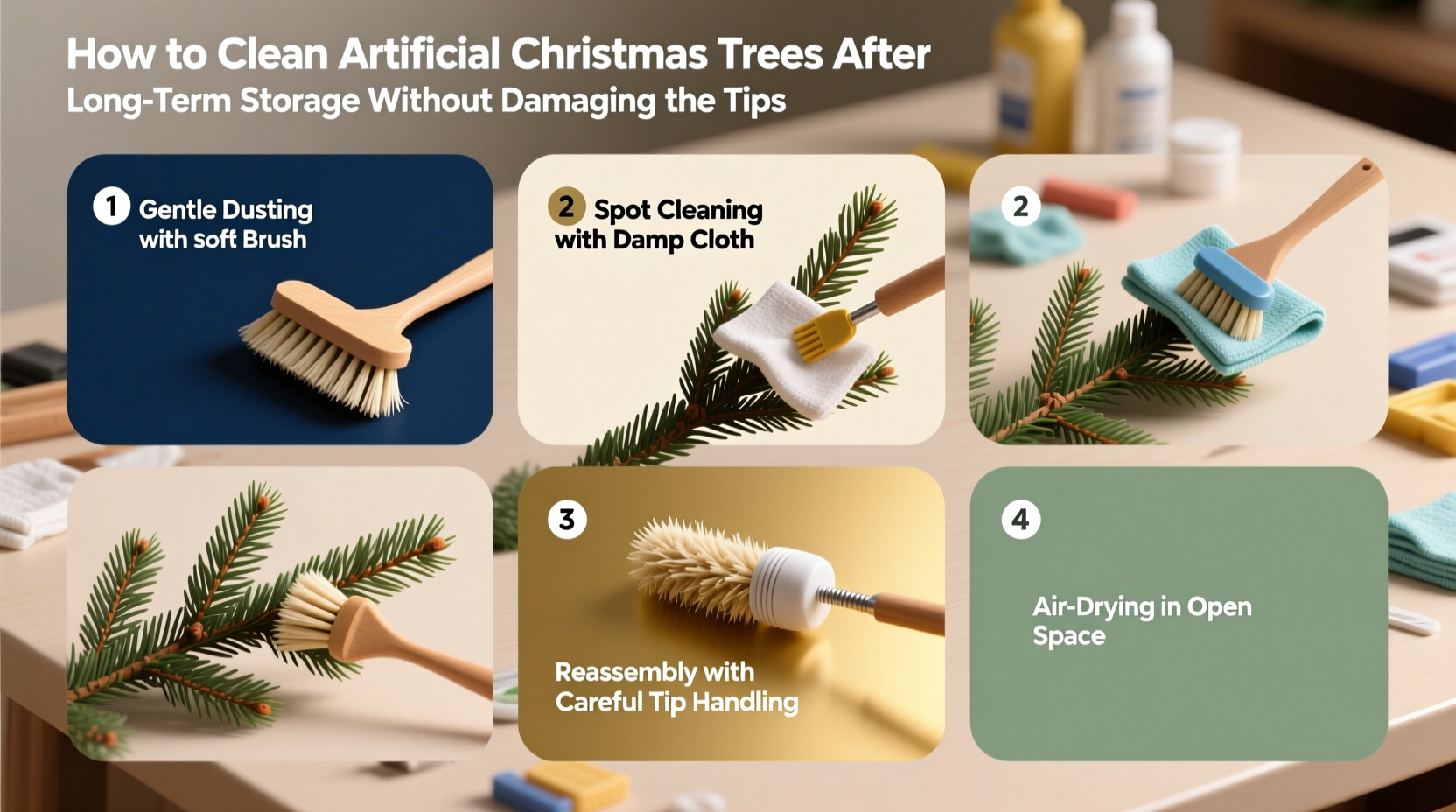
Artificial trees are designed to last, but improper storage and lack of maintenance take a toll over time. Even in sealed bins, microscopic dust and humidity can infiltrate, especially in basements or garages where temperature fluctuations are common. Over several years, this exposure leads to:
- Dust buildup: Accumulates on branch tips and inner stems, making the tree look dull.
- Allergen retention: Dust mites and mold spores can trigger respiratory issues.
- Brittle foliage: Dry conditions make PVC needles more prone to snapping during handling.
- Odors: Musty smells from damp storage spaces may linger in the material.
A clean tree reflects light better, holds ornaments more securely, and enhances the overall festive atmosphere. More importantly, gentle cleaning prevents unnecessary stress on the branches, which is critical if you plan to reuse the tree for years.
Step-by-Step Guide to Safely Clean Your Artificial Tree
Cleaning an old artificial tree requires patience and precision. Rushing the process or using harsh tools can do more harm than good. Follow this detailed sequence to ensure thorough yet gentle restoration.
- Unpack in a Large, Open Space
Choose a garage, driveway, or outdoor patio. Spread out a tarp or old sheets to catch debris. Work section by section—start with the bottom tiers and move upward. - Shake Out Loose Debris
Gently shake each branch segment to dislodge dust and cobwebs. Hold the central pole and give a firm but controlled shake. Avoid vigorous whipping, which can loosen glued-on tips. - Vacuum with a Soft Brush Attachment
Use a vacuum cleaner set to low suction with a soft-bristle brush or upholstery nozzle. Move from the trunk outward, following the natural direction of the branches. This removes surface dust without pulling or bending needles. - Treat Stains and Mildew (If Present)
For visible spots or musty areas, mix a solution of one part white vinegar to three parts water in a spray bottle. Lightly mist a microfiber cloth (not the tree directly) and dab affected zones. Never soak the branches—excess moisture weakens adhesive joints. - Dry Thoroughly Before Assembly
If any moisture was applied, let the sections air-dry completely in a dry, ventilated space for at least 12–24 hours. Never reassemble a damp tree indoors. - Final Fluff and Inspect
Once dry, begin fluffing each branch, starting from the base. Rotate limbs outward to restore fullness. Check for broken tips and gently bend stubborn sections into place.
This method preserves the integrity of the materials while significantly improving appearance. It’s especially effective for trees stored for 3+ years.
Do’s and Don’ts: Protecting Your Tree During Cleaning
Mistakes during cleaning are common—especially when trying to save time. The table below outlines key practices to follow and avoid.
| Do | Don't |
|---|---|
| Use a vacuum with a soft brush attachment | Use high-suction settings or crevice tools that tug on branches |
| Dampen a cloth—not the tree—for spot cleaning | Spray water or cleaners directly onto foliage |
| Work in sections to avoid missing spots | Rush through cleaning without inspection |
| Dry components fully before storing or assembling | Store or use a damp tree (risk of mold and degradation) |
| Fluff branches outward from the trunk | Pull or yank tangled sections aggressively |
Expert Insight: What Industry Professionals Recommend
Tree manufacturers and holiday décor specialists emphasize preventative care as much as cleaning. According to James Holloway, a product development manager at a leading artificial tree company:
“Most damage we see comes not from age, but from improper handling during cleaning and storage. A tree stored upright in a climate-controlled space and dusted annually can look new for over a decade.”
Holloway also warns against popular DIY hacks like using hairdryers to “blow off” dust: “Hot air can warp plastic needles and melt wire coatings inside pre-lit trees. Stick to cool airflow or vacuuming.” His team recommends using anti-static sprays formulated for synthetic fabrics after cleaning—lightly applied to a cloth—to reduce future dust attraction.
Real Example: Reviving a 7-Year-Old Tree
Sarah M., a homeowner in Ohio, pulled out her 7.5-foot pre-lit artificial tree after storing it in a basement bin for seven years. The outer branches were dusty, and the center had a faint musty odor. She began by unpacking it in her garage and shaking each section. Using a vacuum with a soft brush, she spent about 45 minutes carefully going over all sides of the branches.
She noticed a dark spot near the base—likely mildew—and used a vinegar-dampened cloth to gently wipe it. After letting the sections dry overnight, she reassembled the tree. The difference was striking: the lights shone brighter, the green looked richer, and the smell disappeared. Sarah now cleans her tree every fall before display, adding just 30 minutes to her holiday prep.
Checklist: Post-Storage Cleaning Routine
Follow this checklist to ensure no step is missed when reviving your artificial Christmas tree:
- ✅ Unpack in a spacious, clean area
- ✅ Shake each branch section to remove loose debris
- ✅ Vacuum with low suction and soft brush attachment
- ✅ Inspect for stains, mold, or pest residue
- ✅ Spot-clean problem areas with vinegar-water on a cloth (never spray)
- ✅ Allow all parts to air-dry completely
- ✅ Fluff branches and adjust limb angles for fullness
- ✅ Test lights before final placement
- ✅ Store cleaned tree in a breathable bag (not plastic) after holidays
Completing this routine annually—even if the tree appears clean—extends its usable life and maintains visual appeal.
FAQ: Common Questions About Cleaning Old Artificial Trees
Can I wash my artificial tree in the shower?
No. While some bloggers suggest this, soaking an artificial tree risks water damage to internal wiring (in pre-lit models), promotes mold growth in hidden crevices, and can cause irreversible warping of plastic needles. If absolutely necessary, a quick outdoor rinse with a gentle hose setting may be used for non-electric trees—but only if followed by complete drying (48+ hours). Vacuuming and wiping remain safer alternatives.
How often should I clean my artificial tree?
At minimum, clean it once per year—before setup. For trees stored in less-than-ideal conditions (damp basements, attics), consider a light vacuuming every two years even if unused. Regular care prevents deep-set grime and reduces cleaning time later.
What should I store my tree in after cleaning?
Use a sturdy, breathable tree storage bag made of canvas or heavy-duty fabric. These allow airflow while protecting against dust and pests. Avoid plastic bags or bins without ventilation—they trap moisture and encourage mildew. Label the bag and store it off the floor in a climate-stable location.
Conclusion: Preserve Your Tree for Years of Holiday Joy
An artificial Christmas tree is an investment—one that pays dividends in convenience and tradition. But like any long-term possession, it demands care. Cleaning after years of storage doesn’t have to be daunting. With the right tools and a methodical approach, you can remove years of accumulated dust and restore vibrancy without harming a single tip.
The key lies in gentleness: low-pressure cleaning, minimal moisture, and attention to detail. By incorporating annual maintenance into your holiday routine, you’ll spend less time repairing and more time enjoying. A well-kept tree doesn’t just look better—it becomes a reliable centerpiece of celebration, season after season.




 浙公网安备
33010002000092号
浙公网安备
33010002000092号 浙B2-20120091-4
Comments
No comments yet. Why don't you start the discussion?