
Artificial Christmas trees offer convenience and longevity, but they come with a hidden challenge: dust accumulation. Stored in garages, attics, or basements, these trees gather layers of dust, pet dander, and pollutants over time. When unpacked each holiday season, that dust becomes airborne—triggering sneezing, itchy eyes, and respiratory discomfort, especially for allergy sufferers. Worse still, improper cleaning can damage delicate PVC or PE branches, causing microfibers to shed into the air and environment.
Cleaning your artificial tree doesn’t have to mean sacrificing health or durability. With thoughtful techniques and the right tools, you can remove dust safely, preserve the integrity of the materials, and enjoy a festive display free from allergens and plastic debris. This guide walks through science-backed strategies, real-world tested methods, and expert recommendations to keep your tree—and your home—clean and healthy.
Why Dust on Artificial Trees Is More Than Just a Nuisance
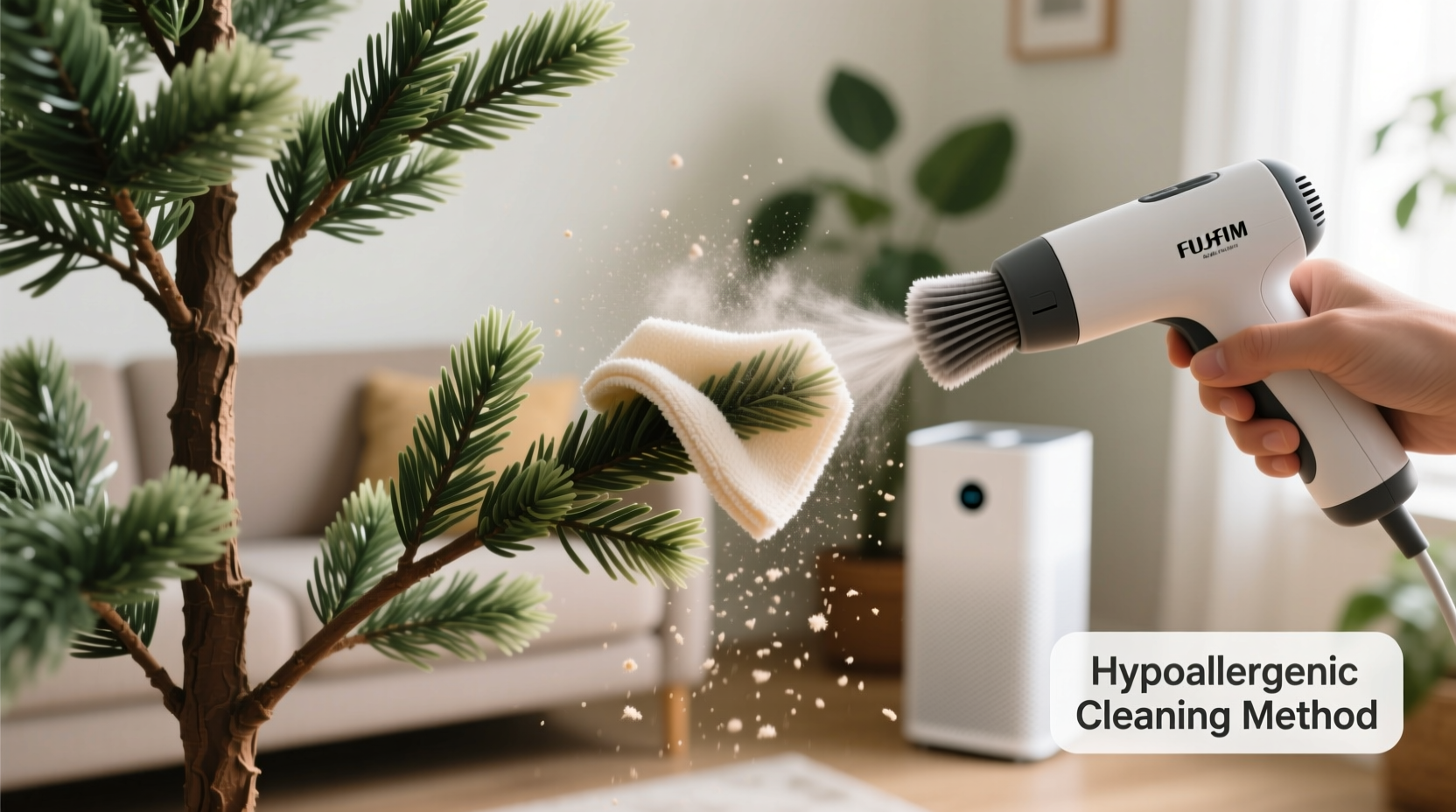
Dust on artificial trees isn’t just cosmetic. It’s a mixture of dead skin cells, fabric fibers, pollen, mold spores, and even chemical residues from storage environments. When disturbed, these particles become aerosolized, entering the lungs and exacerbating asthma, allergic rhinitis, and other sensitivities.
A 2022 study published in Indoor Air Journal found that artificial trees stored in non-climate-controlled spaces can harbor up to seven times more particulate matter than those kept in sealed containers indoors. Moreover, aggressive brushing or vacuuming can degrade synthetic foliage, releasing microplastics—tiny fragments less than 5mm in size—that contribute to indoor pollution and long-term environmental harm.
The goal, then, is twofold: eliminate allergens without damaging the tree. This requires a balance between thoroughness and gentleness.
Step-by-Step Guide: Safe, Allergy-Friendly Cleaning Process
Cleaning an artificial tree effectively involves preparation, execution, and post-cleaning care. Follow this sequence to minimize health risks and material degradation.
- Choose the Right Location
Work outdoors if possible—a garage, patio, or driveway. This prevents indoor contamination during cleaning. If outdoors isn’t an option, use a large room with open windows and close off HVAC vents to avoid spreading particles through ducts. - Disassemble the Tree Completely
Remove all sections and lay them flat on a clean tarp or sheet. This gives full access to undersides and inner branches where dust accumulates most. - Dry Dust Using Low-Suction Tools
Use a vacuum with a soft brush attachment set to low suction. Gently glide over each branch from trunk outward, avoiding tugging. Never use high-powered shop vacuums—they generate too much force and increase microfiber release. - Use Compressed Air Strategically
Hold cans of compressed air at a 45-degree angle and use short bursts to blow dust from dense clusters. Do not shake the can excessively, as liquid propellant can damage plastic foliage. - Wipe with Microfiber Cloths (Optional)
If visible grime remains, lightly dampen a lint-free microfiber cloth with distilled water. Wipe branches gently, moving from base to tip. Never soak the material—excess moisture weakens glue joints and promotes mildew. - Let Dry Fully Before Reassembly
Lay cleaned sections on a dry surface for at least 4–6 hours. Ensure no residual moisture remains, particularly near metal trunks or hinges. - Reassemble Away from Living Spaces
Put the tree together in the same location where it will be displayed. Moving a fully assembled tree increases the risk of re-dispersing any remaining particles.
When Not to Use Water-Based Cleaning
While wiping may seem like a logical step, introducing liquids carries risks. Many artificial trees use adhesives to attach needles to wire stems. Water—even minimal amounts—can dissolve these bonds over time, accelerating shedding. Additionally, damp conditions encourage mold growth inside storage boxes, creating future allergen sources.
Unless the tree has been visibly soiled (e.g., by pests or spills), dry methods are sufficient and safer for both health and longevity.
Do’s and Don’ts: Best Practices for Dust Removal
| Action | Recommended? | Reason |
|---|---|---|
| Vacuum with soft brush attachment | ✅ Yes | Effective removal with minimal fiber stress |
| Shake tree vigorously outdoors | ⚠️ Caution | May dislodge needles and spread allergens widely |
| Use feather duster | ❌ No | Spreads dust rather than capturing it |
| Wash in bathtub with soapy water | ❌ No | High risk of water damage and microfiber shedding |
| Compressed air in short bursts | ✅ Yes | Precise targeting without physical contact |
| Store in original box after cleaning | ✅ Yes | Reduces future dust buildup significantly |
| Use chemical sprays or disinfectants | ❌ No | Can degrade plastics and leave toxic residues |
Expert Insight: What Professionals Recommend
Industry specialists emphasize prevention and gentle maintenance. Sarah Lin, a certified indoor air quality consultant with over 15 years in environmental hygiene, explains:
“Most people don’t realize that the first few hours after setting up an artificial tree are peak exposure time for allergens. The key is proactive cleaning—not reactive symptom management. A well-maintained tree shouldn’t require deep cleaning more than once every three years. Regular light maintenance and proper storage do far more than any single cleaning session.” — Sarah Lin, Certified IAQ Consultant
She also warns against trendy “deep clean” videos circulating online that promote washing trees in showers or using steam cleaners. “Steam introduces heat and moisture that warp PVC needles and weaken structural supports. You’re trading short-term cleanliness for long-term deterioration.”
Real Example: One Family’s Allergy-Friendly Holiday Makeover
The Rivera family had celebrated Christmas in the same way for over a decade—unboxing their 7.5-foot pre-lit tree from the garage each November. But two years ago, their youngest daughter began experiencing severe nighttime coughing and congestion shortly after setup.
After consulting an allergist, they learned she was reacting to airborne particulates from the tree. Dust mite residue and mold spores thriving in the damp garage had turned their holiday tradition into a health hazard.
They adopted a new protocol: unboxing outside, dry vacuuming each section with a HEPA-filter vacuum, and allowing 24 hours of airing before bringing pieces indoors. They also invested in a breathable cotton storage bag lined with cedar blocks to deter pests and absorb moisture.
Last year, their daughter reported zero symptoms during the holidays—the first time in five years. “We didn’t give up our tree,” said Maria Rivera. “We just gave it a little more respect. Now we look forward to decorating without fear.”
Checklist: Allergy-Safe Artificial Tree Cleaning Routine
- ☐ Choose an outdoor or well-ventilated workspace
- ☐ Wear a disposable N95 mask and gloves
- ☐ Lay down a tarp or drop cloth to contain debris
- ☐ Disassemble the tree completely
- ☐ Vacuum each section with low suction + brush nozzle
- ☐ Use compressed air for tight clusters (short bursts only)
- ☐ Inspect for damaged branches; trim only if necessary
- ☐ Allow full drying time (minimum 4–6 hours)
- ☐ Reassemble in final display area
- ☐ Store in a sealed, breathable container after the season
Frequently Asked Questions
Can I use a leaf blower to clean my artificial tree?
No. Leaf blowers generate excessive airflow (often over 150 mph), which can rip needles from stems and scatter dust uncontrollably. The force exceeds what synthetic foliage can withstand. Stick to handheld compressed air or low-suction vacuums for controlled results.
How often should I deep clean my artificial tree?
Every 2–3 years is sufficient for most households. Annual light maintenance—dry dusting and inspection—is usually enough to prevent allergen buildup. Deep cleaning too frequently accelerates wear and increases microfiber shedding.
Is it safe to store my tree in plastic bags?
Rigid plastic bins with tight seals are acceptable, but avoid soft plastic bags. These trap moisture and promote mold growth. Opt for breathable fabric storage bags made from cotton or canvas, ideally with ventilation panels and internal dividers to protect branch shape.
Protecting Health and Longevity Year After Year
An artificial tree is a long-term investment—one that should bring joy, not sniffles. By treating it not just as décor but as part of your indoor environment, you take meaningful steps toward healthier living. The methods outlined here prioritize respiratory wellness, material preservation, and environmental responsibility.
Remember: the cleanest tree isn’t necessarily the one that looks shiny or smells chemically treated. It’s the one that stands quietly, shedding nothing but light and nostalgia. With consistent, mindful care, your tree can do exactly that—for decades to come.




 浙公网安备
33010002000092号
浙公网安备
33010002000092号 浙B2-20120091-4
Comments
No comments yet. Why don't you start the discussion?