
Gym mats are essential for comfort, safety, and hygiene during workouts. Whether used in home gyms or commercial fitness centers, they absorb sweat, trap dirt, and harbor bacteria over time. Without proper cleaning, mats develop persistent odors, become slippery, and may even contribute to skin infections or athlete’s foot. Yet many people either neglect mat maintenance or use ineffective methods that damage the material. Cleaning gym mats doesn’t require expensive products or complicated procedures—just consistency, the right tools, and a few proven techniques. This guide provides practical, science-backed strategies to keep your gym mats fresh, sanitary, and long-lasting.
Why Regular Mat Cleaning Matters
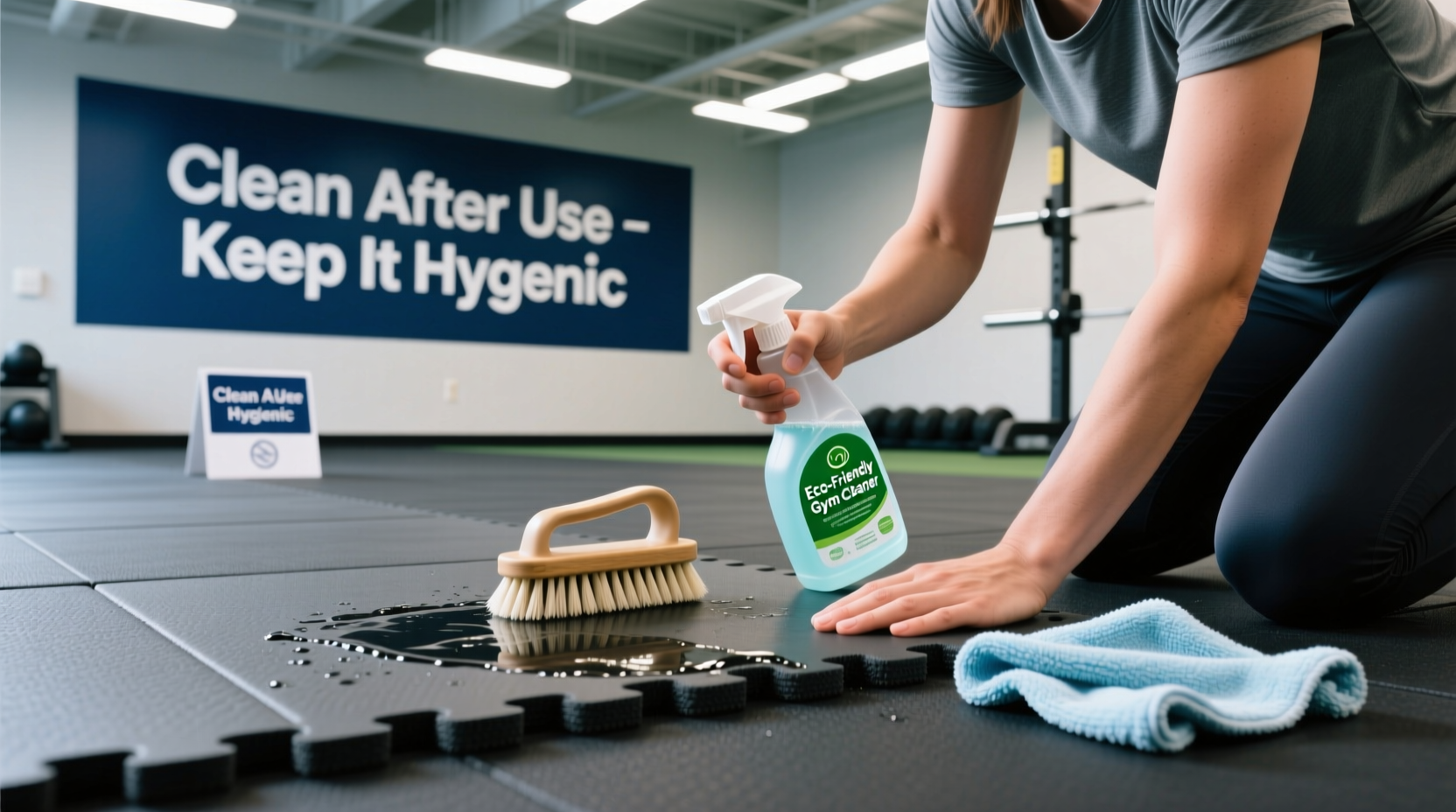
Sweat, dead skin cells, and environmental dust accumulate rapidly on gym mats. A study by the University of Arizona found that free weights and exercise mats can host up to 362 times more bacteria than a toilet seat. Common pathogens like Staphylococcus aureus, E. coli, and Pseudomonas thrive in warm, moist environments—exactly what a neglected mat becomes after repeated use.
Beyond health risks, poor maintenance shortens a mat’s lifespan. Oils from skin and sweat degrade foam and rubber materials, leading to cracking, warping, and delamination. Regular cleaning preserves structural integrity and maintains grip, ensuring consistent performance during workouts.
“Gym mats are breeding grounds for microbes if not cleaned properly. A daily wipe-down and weekly deep clean should be non-negotiable in any fitness space.” — Dr. Lena Torres, Microbiologist and Sports Facility Hygiene Consultant
Essential Supplies for Effective Cleaning
Before starting, gather the right tools. Using inappropriate cleaners or abrasives can ruin mats or leave harmful residues. The following items are safe, accessible, and effective for most mat types:
- Mild dish soap or pH-neutral cleaner
- White vinegar (natural disinfectant)
- Isopropyl alcohol (70%, for disinfection)
- Soft-bristle brush or microfiber cloth
- Spray bottle
- Bucket of warm water
- Fan or dehumidifier (for drying)
Step-by-Step Guide to Deep Clean Gym Mats
A thorough cleaning routine involves surface wiping, disinfection, rinsing, and complete drying. Follow this timeline for best results:
- Remove debris: Shake out loose dirt or use a dry microfiber cloth to wipe away dust and hair.
- Prepare cleaning solution: Mix 1 gallon of warm water with 2–3 drops of dish soap and ½ cup of white vinegar. For stronger disinfection, add ¼ cup of isopropyl alcohol.
- Spray and scrub: Apply the solution evenly using a spray bottle. Gently scrub both sides with a soft brush, focusing on high-contact areas like where hands and feet rest.
- Rinse thoroughly: Wipe with a clean, damp cloth to remove soapy residue. Residual cleaner can attract more dirt and irritate skin.
- Dry completely: Hang the mat vertically or lay it flat in a well-ventilated area. Use a fan to accelerate drying. Never store a damp mat—it promotes mold and mildew.
This process should be performed weekly for home gyms and every 2–3 days in commercial settings. High-intensity classes (like hot yoga or HIIT) warrant daily cleaning.
Do’s and Don’ts When Cleaning Gym Mats
| Do’s | Don’ts |
|---|---|
| Use pH-neutral or natural cleaners | Use bleach, ammonia, or strong solvents |
| Wipe both sides of the mat | Leave the mat curled or folded while wet |
| Dry mats fully before storing | Machine wash unless manufacturer-approved |
| Clean immediately after heavy sweating | Scrub with abrasive pads or steel wool |
| Vacuum textured surfaces gently | Expose mats to direct sunlight for long periods |
Real-World Example: A Home Gym Transformation
Mark, a personal trainer in Denver, noticed his clients were avoiding floor exercises despite having a high-quality TPE mat at home. After three months of irregular cleaning—mostly just occasional wipes with paper towels—the mat developed a sour smell and felt sticky. Concerned about hygiene, he followed the deep-cleaning method outlined here. After one treatment, the odor disappeared, and the texture returned to normal. He now cleans the mat weekly and reports increased client confidence during sessions. “It’s not just about looks,” he says. “A clean mat feels safer and performs better.”
Special Considerations by Mat Type
Not all mats react the same way to cleaning agents. Always check the manufacturer’s care label, but as a general rule:
- Foam (EVA/PVC): Sensitive to harsh chemicals. Stick to vinegar-soap solutions and avoid soaking.
- Rubber mats: Durable but prone to oxidation. Rinse thoroughly and dry in shaded airflow—never in direct sun.
- TPE (Thermoplastic Elastomer): Eco-friendly and antimicrobial, but still requires regular cleaning. Can handle light alcohol sprays.
- Cotton or fabric-covered mats: Spot clean only. Excessive moisture can lead to mildew between layers.
Prevention and Maintenance Checklist
Keep your gym mat in top condition with this simple routine:
- ✅ Wipe down after every use with a damp microfiber cloth
- ✅ Perform a deep clean every 7–10 days (more often if shared)
- ✅ Store flat or hung vertically—never rolled tightly when damp
- ✅ Rotate the mat monthly to ensure even wear and exposure
- ✅ Replace mats showing cracks, permanent odors, or loss of cushioning
Frequently Asked Questions
Can I use Lysol or Clorox wipes on my gym mat?
Some disinfectant wipes contain alcohol and quaternary ammonium compounds that can degrade foam and rubber over time. While occasional use may be acceptable, frequent application risks material breakdown. A safer alternative is to make your own disinfecting wipe using a microfiber cloth soaked in a mix of 70% isopropyl alcohol and water.
How do I get rid of stubborn odors?
For persistent smells, sprinkle baking soda on the mat, let it sit for 15–20 minutes, then vacuum and wipe with a vinegar-water solution. If the odor remains, the mat may be harboring mold inside and should be replaced.
Is it safe to hose down rubber gym mats outdoors?
Yes, full-sized rubber flooring (common in garages and CrossFit boxes) can be hosed down and scrubbed with a deck brush. However, smaller portable mats—even rubber ones—are not designed for high-pressure washing and may delaminate.
Final Thoughts: Make Cleanliness Part of Your Fitness Routine
Cleaning your gym mat isn’t an optional chore—it’s a core part of maintaining a healthy workout environment. Just as you wouldn’t skip warming up or hydration, regular mat maintenance protects your body and extends your equipment’s life. The methods described here are straightforward, affordable, and sustainable. By dedicating just 10–15 minutes per week, you eliminate germs, prevent odors, and preserve performance. Whether you’re training solo or managing a fitness facility, clean mats reflect respect for health and professionalism.




 浙公网安备
33010002000092号
浙公网安备
33010002000092号 浙B2-20120091-4
Comments
No comments yet. Why don't you start the discussion?